The smoke has cleared across the rugged breaks of the Canadian River, but the financial fallout of the catastrophic Smokehouse Creek Fire continues to reverberate through the upper echelons of luxury real estate. The legendary Turkey Track Ranch—a sprawling 77,721-acre behemoth in the Texas Panhandle—has officially returned to the open market with a staggering $180 million price tag.
For the uninitiated, this is not merely a piece of rural acreage. It is a historical monument stitched together by more than a century of Coble and Whittenburg family stewardship, encompassing the storied Adobe Walls battle sites of 1864 and 1874. Yet, when the historic 2024 wildfire swept through the region, it torched roughly 46,000 acres—about 60 percent of the property's rangeland. Deal negotiations stalled, pastures blackened, and the future of one of the West's premier agricultural assets was thrown into stark, ash-laden jeopardy.
Now, the trust controlling the property has dropped the listing back onto the desks of elite buyers, boasting a restored landscape featuring 65 miles of newly installed fencing and a revitalized cattle operation. But behind the glossy marketing brochures managed by Dallas-based Icon Global lies a much harsher truth about modern mega-ranch economics, climate volatility, and the actual cost of insuring and preserving American history.
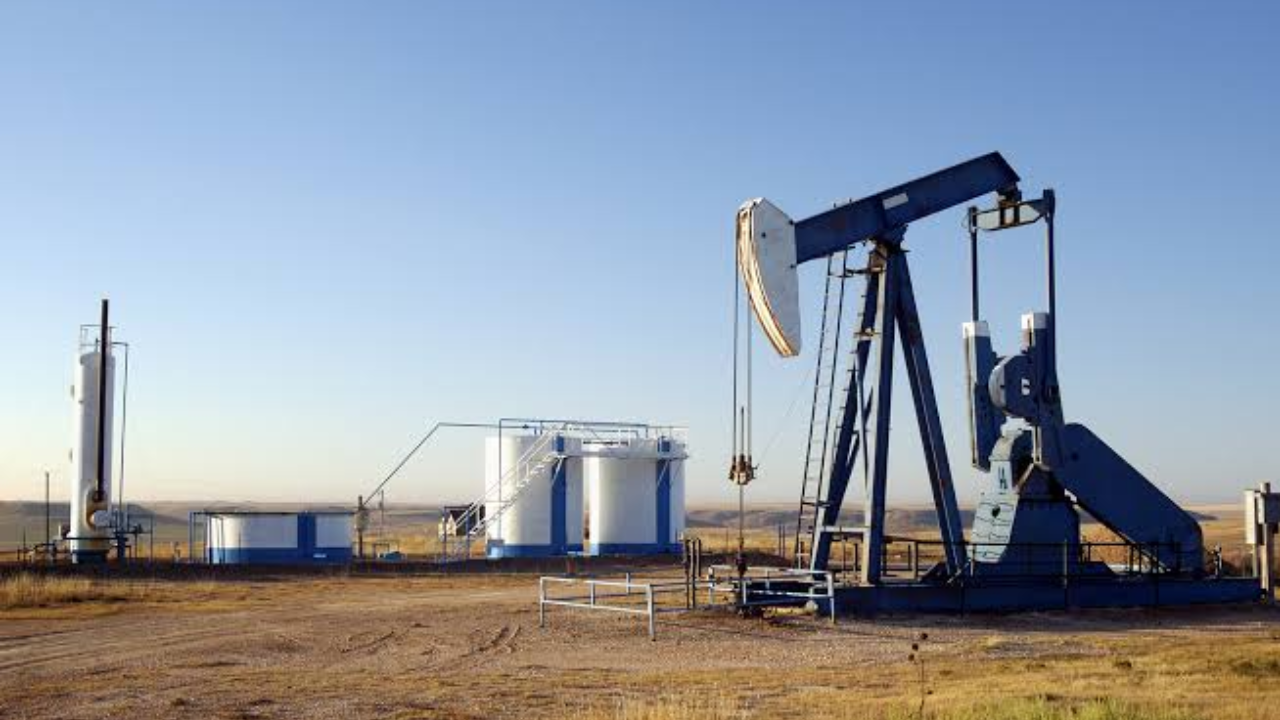
Land of this magnitude operates under rules foreign to traditional commercial real estate. At 77,721 acres, Turkey Track is a functioning ecosystem, a water-rich oasis boasting roughly 26 miles of Canadian River frontage, and a complex business holding carrying a 25 percent mineral stake. When a property scales to this level, valuation ceases to be a simple metric of per-acre square footage. It becomes an exercise in pricing scarcity, heritage, and resource control.
Yet, the fire changed the risk calculus. The Smokehouse Creek Fire did not just burn grass; it exposed the structural vulnerability of century-old legacy holdings to high-intensity, climate-driven mega-fires. Utility-triggered blazes have transformed from rare anomalies into systemic operational threats for anyone holding vast tracts of dry acreage. When the flames came within 100 yards of the ranch's historic headquarters, they threatened not only physical structures but nine figures of asset value.
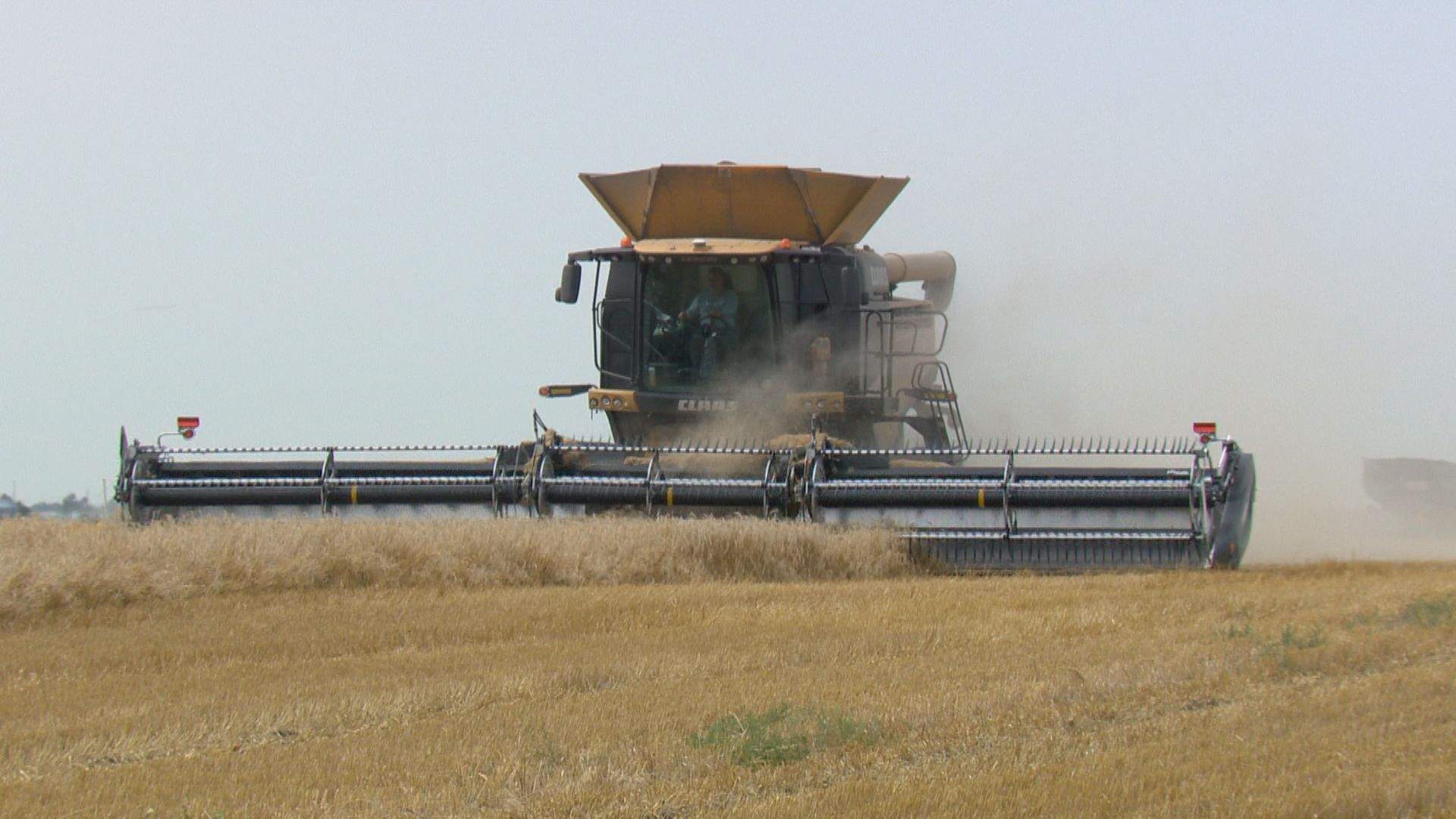
Rebuilding 65 miles of fence line and waiting for native vegetation to recover requires deep capital reserves and immense patience. Most private owners would buckle under the operational strain of such a localized disaster. The fact that the Turkey Track trust absorbed the blow, executed the rehabilitation, and brought the asset back to market at its original target valuation speaks volumes about the liquidity and resilience of ultra-high-net-worth agricultural investors.
Behind the scenes, luxury brokerage dynamics in the Texas Panhandle are shifting. High-end ranches are increasingly marketed not just as working cattle stations or recreational hunting preserves, but as carbon-sequestering, water-secure corporate compounds and generational stores of wealth. Buyers in this bracket are rarely local cattlemen trying to cash flow a herd through beef prices; they are global billionaires, institutional funds, and family offices hedging against macroeconomic instability.
Water is the ultimate currency in these negotiations. While the fire scarred the topsoil, it did not diminish the permanent hydrological rights and underground reserves that make the Canadian River basin so intensely coveted. The ecological rebound of the land—aided by decades of historical conservation work like earthen dams built during the 1950s drought—demonstrated that the ranch's underlying infrastructure was built to endure environmental stress.
Still, a $180 million asking price demands flawless execution. In a post-wildfire market, prospective buyers are looking closer at liability, insurance costs for rural acreage, and long-term fire mitigation protocols. The romance of the Old West meets the cold spreadsheet of modern actuarial risk. Every fence post replaced and every acre of regenerated bluestem grass must justify a valuation that pushes the absolute ceiling of the Texas land market.
The re-emergence of the Turkey Track Ranch is a litmus test for the ultra-prime rural sector. It proves that historic legacy assets can absorb catastrophic environmental shocks and emerge intact, provided the capital behind them is deep enough to fund the resurrection. As the property awaits its next steward, the transaction will set the benchmark for how the luxury market prices resilience in an era of unprecedented natural volatility.
The ashes have settled, the cattle are back on the range, and the market will soon decide what a century of Texas history is truly worth.