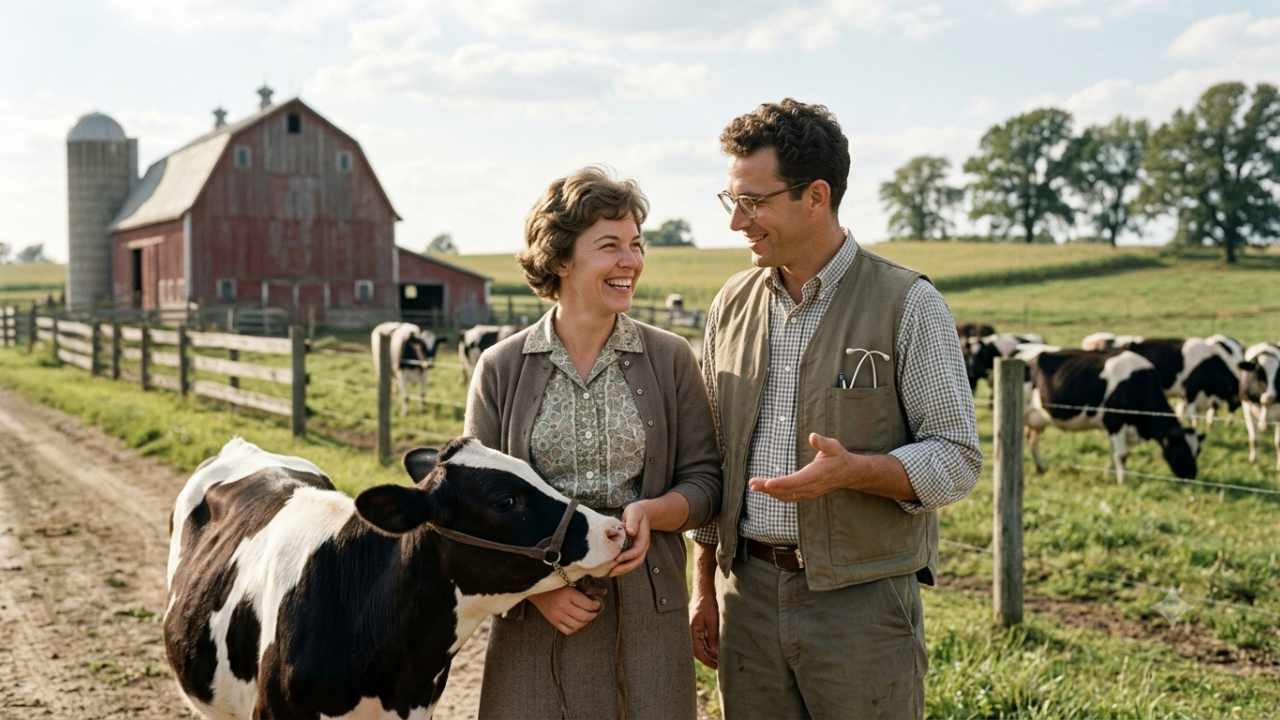
Most people buy a house, paint the walls, and call it a day. Back in 1969, a newly married schoolteacher and a surgeon decided to take a wildly different route. Instead of chasing manicured lawns or suburban comfort, they bought a worn-out plot of agricultural land and spent the next several decades giving it all back to nature. It sounds like a romantic movie plot. It is actually a masterclass in long-term conservation that puts modern eco-friendly trends to shame.
You don't need a medical degree or a teaching pension to look at what they built and wonder how to make your own patch of earth a little wilder. Let us look at what happened when two professionals traded traditional retirement dreams for native trees, wetland restoration, and total ecological immersion.
The Reality of Rewilding Before It Was Trendy
Rewilding gets thrown around in marketing meetings today like a buzzword. Everyone wants to talk about biodiversity credits and native pollinator strips. In 1969, nobody used those terms. They just saw depleted soil, overgrazed pastures, and local wildlife running out of places to hide.
The couple didn't hire a massive corporate landscaping crew to roll out instant sod. They rolled up their sleeves. Mornings meant surgery prep or classroom lesson plans. Weekends meant planting thousands of native saplings, digging out invasive weeds by hand, and watching drainage patterns change.
If you think turning a farm into a nature preserve means walking away and letting nature take the wheel, you are dead wrong. True habitat restoration is hard manual labor. It requires constant observation. You have to understand soil chemistry, invasive root systems, and local migration corridors.
- The Soil Test: They stopped tilling immediately, letting organic matter rebuild the topsoil layer naturally.
- Water Management: Instead of draining every wet spot, they restored seasonal ponds to give amphibians and migratory birds a place to stop.
- Plant Selection: They tore out non-native ornamental grasses and replaced them with heavy hitters like oak, hickory, and native wildflowers that local insects actually depend on.
Why Modern Property Owners Get Conservation Wrong
People love buying rural land or suburban lots with big yards, only to sanitize them into green deserts. They spray chemical pesticides to kill every dandelion, plant sterile lawns that require endless irrigation, and wonder why songbirds disappear.
The 1969 farm project succeeded precisely because the owners stopped fighting the ecosystem. They understood a simple truth. Nature doesn't need your management; it needs your absence of interference.
When you strip away invasive plants, stop dumping nitrogen-heavy fertilizers into the watershed, and leave dead wood standing for cavity-nesting birds, the wildlife shows up uninvited. Beavers return. Owls find old snags. Hawks circle overhead because the rodent population balances out.
Practical Steps to Turn Your Own Yard Into a Micro-Preserve
You don't need eighty acres of farmland to make a difference. You can apply the exact same philosophy to a quarter-acre suburban plot or a small urban garden.
First, stop mowing everything. Pick a corner of your yard and let it go. See what native seeds are already dormant in the soil waiting for a chance to break through. You might be surprised by the native asters and goldenrod that pop up once you stop decapitating them every Saturday morning.
Second, ditch the chemical sprayers. Every time you wipe out a population of aphids with harsh synthetic insecticides, you starve the ladybugs, thrushes, and warblers that rely on them for food. Let the predators do their job.
Third, plant for the local food web, not for human aesthetics. Exotic ornamental plants from foreign nurseries are basically plastic plants to native insects. A caterpillar cannot digest a leaf from an imported shrub. No caterpillars mean no baby birds. The entire food chain collapses right at the bottom because someone wanted a pretty, non-native bush from a big-box store.
The Legacy That Outlives Us All
Surgeons save lives one patient at a time. Teachers shape minds year after year. But planting a forest that outlives both of you? That is a different kind of permanence.
By the time decades had passed, their neglected farmland transformed into a thriving regional sanctuary. It became a breeding ground for endangered migratory birds and a living laboratory for local students. They didn't build a monument out of concrete or glass. They built one out of canopy cover, clean water, and returning wildlife.
Stop waiting for someone else to fix local habitat loss. Pick up a shovel, kill a patch of grass, and plant something that feeds the earth instead of draining it.