The kitchen clock reads 2:14 AM. The house is entirely silent except for the rhythmic, low hum of the refrigerator and the soft, blue glow of a smartphone screen illuminating a tired face.
Coffee is cold. Sleep is a distant memory.
Across the country, millions of parents are sitting in the dark, staring at a digital shopping cart filled with glue sticks, composition notebooks, lunchboxes that promise leak-proof miracles, and shoes that will somehow be destroyed by October. This is the modern rite of passage. We call it back-to-school shopping, but it feels more like an endurance test.
Back-to-school Amazon finds have quietly transformed from simple convenience into the primary survival kit for modern households. We are no longer just buying supplies. We are outsourcing our peace of mind.
Consider Sarah, a fictional archetype representing a very real exhaustion. Sarah works full-time, manages a household, and has two children transitioning into entirely new grade levels. Last year, she braved the fluorescent-lit aisles of the local superstore on a humid Sunday in August. Aisles were picked clean. Children were crying. Carts collided. She left empty-handed, stressed, and facing a midnight trip to three different pharmacies just to find the specific brand of marbled wide-ruled notebooks demanded by a third-grade teacher.
This year, Sarah did not enter a store. She opened an app.
Efficiency matters, but the emotional core of this digital shift runs much deeper. It is about reclaiming time in a world that relentlessly demands more than we possess. When parents add items to their cart late at night, they are casting a vote for control.
The mechanics of this seasonal shopping shift reveal fascinating behavioral patterns. Historically, back-to-school purchasing was a multi-week, multi-location ordeal stretching from late July through Labor Day. Families spent weekends navigating parking lots and waiting in checkout lines that snaked through the entire store. Today, that friction has evaporated. According to retail data trends, the bulk of parental purchasing behavior has compressed into rapid, late-night micro-sessions. Parents research ergonomic backpacks, evaluate water bottle durability through user reviews, and secure bulk packs of disinfectant wipes in minutes, all while half-asleep on the couch.
Why do these specific Amazon finds dominate the cultural conversation every single August?
Because the items trending in parent carts solve hyper-specific, everyday friction points. Take the bento-style lunch box, for instance. A decade ago, packing school lunch meant a brown paper bag, a plastic sandwich baggie that tore too easily, and a bruised banana. Today's trending cart additions feature compartmentalized, leak-proof stainless steel containers designed to keep foods separate, warm, or cold for hours. It sounds trivial until you realize that a well-designed lunch box is the difference between a child eating their vegetables and coming home hangry and dysregulated at 4:00 PM.
We buy the gear to hedge against chaos.
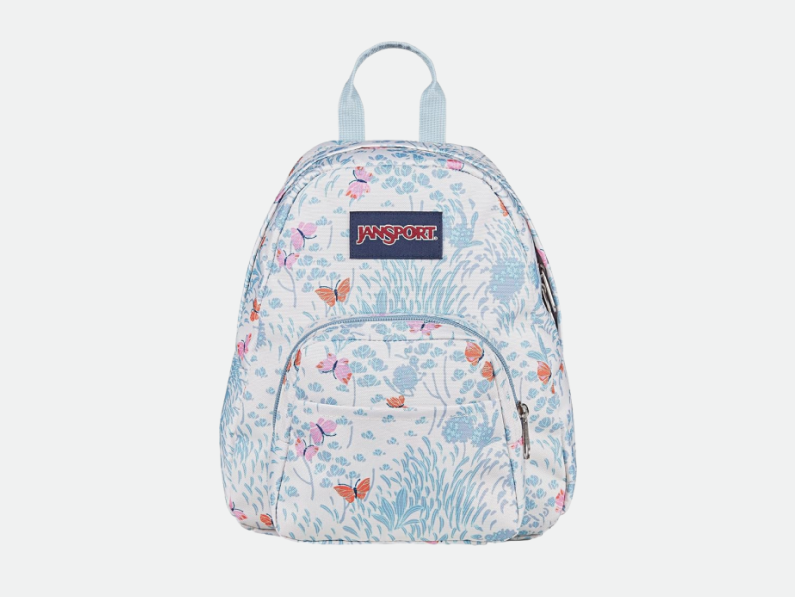
There is vulnerability in admitting this. As parents, we want to believe we can glide through transitions with effortless grace. We want our children to step off the first-day bus looking pristine, confident, and entirely prepared. When we click buy on a set of colorful gel pens or a rugged, waterproof backpack with reinforced stitching, we are buying a story. We are telling ourselves that this year will be different. This year, the backpack won't rip. This year, the homework will make it home inside the folder, uncrushed.
Of course, reality rarely bends entirely to our logistical will. The backpack will eventually get scuffed. A water bottle will be left on the school bus by week three.
Yet, the digital cart remains our best defense against the overwhelm. It aggregates the collective wisdom of thousands of other parents who have already tested, judged, and reviewed every product on the market. That community review section is an invisible support network. When a mother in Ohio writes a detailed review explaining why a specific brand of safety scissors actually cuts paper instead of folding it, she is whispering advice across state lines to a father in Oregon who is awake at midnight.
We are navigating an era where convenience is often criticized as a crutch. Critics argue that we have lost the community ritual of walking the aisles together, of letting children pick out their own folders from a physical shelf. And there is truth in that loss. Nostalgia paints a romantic picture of the August shopping trip.
But nostalgia rarely accounts for the working parent logging off at 7:00 PM only to realize the elementary school supply list requires five specific colors of pocket folders with brads—an item sold out in every brick-and-mortar store within a ten-mile radius.
The digital cart bridges that gap. It absorbs the shock of modern life.
When the sun finally rises over the neighborhood, the house begins to stir. Little feet patter down the hallway. Backpacks are unzipped, inspected, and loaded with fresh supplies. The chaos begins, loud and beautiful and demanding.
But on the front porch, delivered quietly before dawn, sits a brown cardboard box. Inside lies the quiet infrastructure of a successful school year, ready to be unpacked.


