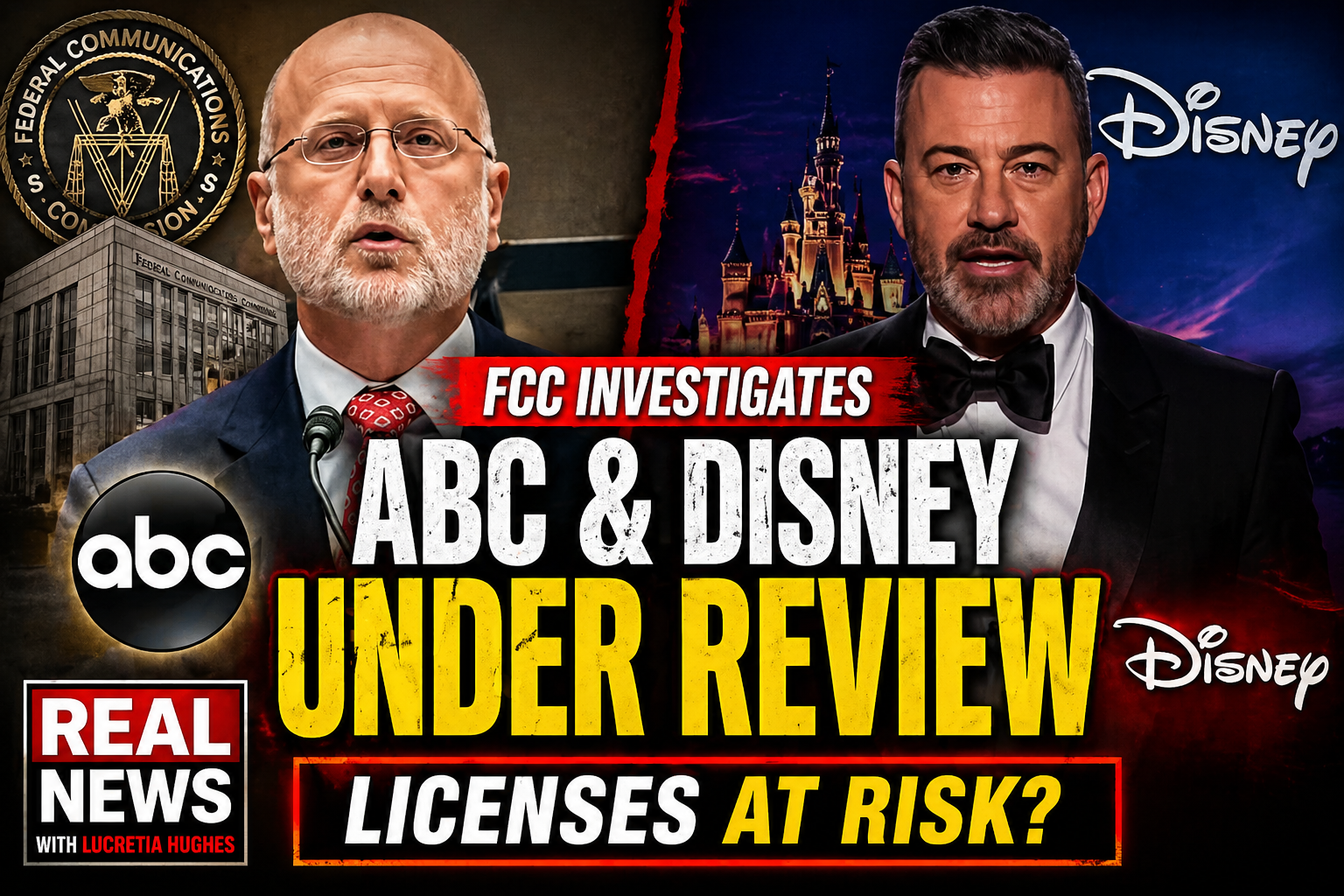
When a multi-billion-dollar media conglomerate takes a federal regulator to court, you know things have officially gone off the rails. ABC and its parent company Disney filed a 45-page lawsuit against the Federal Communications Commission, and it’s a fight that should terrify anyone who cares about a free press.
The core issue isn't complicated. The FCC, led by Chairman Brendan Carr, ordered an unprecedented early review of eight television station licenses owned by ABC. These renewals weren’t supposed to happen until between 2028 and 2031. Forcing them early is something the agency hasn't done in over 50 years.
Why the sudden rush? It followed a predictable pattern of political retaliation. President Trump and his allies grew furious over network programming, including late-night jokes and tough news coverage, and demanded consequences. When the government starts using regulatory power to punish networks for their editorial stance, the First Amendment becomes little more than a suggestion.
The Weaponization of the Public Airwaves
Let's be clear about how the system works. Broadcasters use public airwaves under a mandate to serve the public interest. That requirement has existed for decades. But there's a massive chasm between ensuring public interest compliance and weaponizing license renewals to silence political critics.
Chairman Carr has defended the agency's moves by pointing to that exact public interest standard, alongside inquiries into corporate diversity policies. Nobody is buying the coincidence. The timeline speaks volumes. The early review order dropped right on the heels of public presidential demands to fire late-night host Jimmy Kimmel.
When regulators target a specific network because the administration hates its jokes or its journalism, they cross a dangerous line.
- The FCC launched early reviews for eight vital local stations.
- Open threats targeted news coverage and late-night monologues.
- Separate investigations targeted daytime talk shows over equal-time complaints.
This isn't about routine oversight. It's about coercion.
An Existential Threat to Media Freedom
ABC's lawsuit points out the obvious reality. The network stands virtually zero chance of getting a fair, unbiased renewal hearing from the current commission. The public comment period closed, and the agency sits poised to issue a Hearing Designation Order at any moment. That triggers a long, exhausting, and costly administrative process designed to wear down the defendant.
If the government can strip a network of its livelihood for airing unfavorable content, no media outlet is safe. Local news stations, independent journalists, and major networks all rely on regulatory stability. Once regulators establish that broadcast licenses can be revoked as political punishment, self-censorship becomes the default survival strategy for corporate boards everywhere.
Legal experts and press freedom advocates have roundly condemned the FCC's tactics. Even former regulatory officials from past Republican and Democratic administrations have stepped up to warn that the agency is sending a chilling message. Yet, the commission pushes forward, treating constitutional boundaries as obstacles to clear rather than rules to obey.
Disney had to draw a line in the sand. Capitulating to these demands would mean handing the administration a veto over nightly news scripts and comedy routines. Filing suit in federal district court in Washington was basically the only play left.
This battle will drag on for months, maybe years, through the judicial system. A federal judge now holds the responsibility of deciding whether regulatory agencies can operate as a wing of executive branch censorship. Watch this case closely. The outcome dictates whether American broadcast journalism remains independent or bends permanently to political muscle.