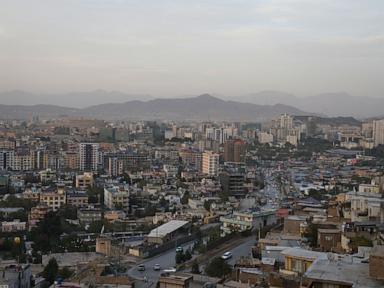
Walk into a clinic in southern or eastern Afghanistan right now, and you won't find a clean, simple story about a bad harvest or a sudden storm. You'll find mothers stretching plain bread and tea across whole households, kids whose bodies are wasting away, and clinic workers turning families away because the shelves are empty. Afghanistan malnutrition isn't a one-off emergency anymore. It's a grinding, overlapping collapse where shrinking humanitarian budgets hit right at the moment when need is climbing.
Here's the blunt truth that gets lost in headlines: funding cuts don't just trim spreadsheets in Geneva or New York. They stop preventive nutrition programs before kids even get sick, force clinics to ration specialized food, and leave millions of people exposed to winter cold, infectious disease, and destitution. According to the UN Office for the Coordination of Humanitarian Affairs (OCHA), roughly 21.9 million people in Afghanistan need humanitarian aid in 2026, while funding for the country's response plan has lagged far behind requirements. At the same time, the World Food Programme (WFP) has warned that 19.2 million people face acute food insecurity and around 4 million women and children are expected to be malnourished in 2027, with WFP needing US$540 million just through January 2027 to keep life-saving operations running.
Why Aid Cuts Hit Hardest When Need Surges
People outside the humanitarian world often assume aid agencies simply "do more with less" when donors pull back. That sounds noble in theory. On the ground, it breaks down fast.
When budgets shrink, agencies have to make brutal triage choices. Instead of feeding everyone who is hungry, they focus on the most acute cases—and even then, reach drops sharply. WFP has noted that current resources allow it to reach roughly 2 million people per month, down from 4 million supported the previous winter. Worse still, WFP completely halted its distribution of specialized foods meant to prevent malnutrition back in May 2025 due to lack of funding.
Think about what happens when you cut prevention first. It's like skipping oil changes to save money on gas. A child who starts out moderately undernourished doesn't stay frozen in place—especially when clean water is scarce, winter sets in, and diarrheal illnesses or respiratory infections sweep through crowded homes. By the time that child reaches a clinic with severe acute malnutrition, treatment is harder, more expensive, and far riskier. Both UNICEF and WFP have sounded alarms that acute malnutrition among Afghan children is climbing toward more than 4 million in 2027, including over 1 million facing the most severe form.
What Most People Miss About Afghanistan Malnutrition
If you only read quick summaries, you might think hunger in Afghanistan is purely a story of stalled aid checks. Honestly, that misses half the picture. Aid shortfalls are colliding with structural shocks that make families far less resilient than they used to be.
Millions of Returnees and Strained Communities
Over the past two years, roughly 5 million people—about 10 percent of Afghanistan's entire population—have returned to the country amid large-scale cross-border returns, including deportations and pressure from neighboring countries like Iran and Pakistan. Imagine a district that already struggles with scarce water, shaky day labor, and thin clinics suddenly absorbing thousands of families arriving with almost nothing. Housing tightens, casual wages drop, and host families share whatever little they have until everyone's reserves are gone.
Climate Volatility and Everyday Poverty
Even when a particular growing season shows pockets of recovery, climate volatility—droughts, erratic rainfall, and sudden weather extremes—keeps knocking livelihoods off balance. For a day laborer earning a few dollars on a good day and nothing on a sick day, food prices don't have to spike into famine territory to cause real harm. When rent eats half a household's income, protein, pulses, vegetables, and dairy are the first things to disappear. Bread and tea fill the stomach, not the nutritional gaps a growing toddler needs.
Restrictions on Women and Clinic Access
There's also an operational reality we have to talk about candidly. Restrictions placed on women and girls—including limits affecting female aid workers and women's mobility—directly complicate nutrition and maternal care. In conservative communities, mothers and young children often depend on female health workers for trust, counseling, and screening. When female staff face barriers or shortages, outreach slows down right where maternal and child malnutrition are highest.
Why Numbers Alone Can Be Misleading
Whenever you read big humanitarian statistics, take a breath and read the fine print. Projections are planning tools, not crystal balls, and definitions matter.
- Acute malnutrition versus stunting: Wasting (acute malnutrition) reflects recent or rapid weight loss or failure to gain weight, often tied to food shortages or illness. Stunting reflects chronic undernutrition over time, which can stunt physical growth and cognitive development long before a crisis makes front-page news.
- Need versus actual reach: "People in need" measures vulnerability across a population, while "people targeted" or "people reached" depends on funding, access, and seasonal conditions. A drop in the number of people reached doesn't mean fewer people are hungry—sometimes it just means fewer people got help.
- Data gaps: Conducting surveys across remote, mountainous, or resource-strapped districts isn't easy. Agencies rely on tools like the Integrated Food Security Phase Classification (IPC) and health facility reporting, which are vital, yet field teams still warn that hidden pockets of distress can go uncounted until families show up at clinics.
Being honest about those limits doesn't downplay the crisis. It makes our response sharper. If we treat every statistic as an exact headcount rather than a warning signal, we miss how fast conditions can deteriorate heading into winter.
What Actually Works vs. What Sounds Good in Theory
In policy debates, people love grand slogans about "self-reliance" or "long-term development." Those goals aren't wrong, but pushing long-term self-reliance when a family hasn't eaten a proper meal in two days is backwards. You can't build resilience on an empty stomach.
What works in practice is pairing immediate, predictable nutrition and cash or food support with practical prevention—clean water and sanitation (WASH) to cut down acute watery diarrhea, maternal nutrition support, and steady supply chains for ready-to-use therapeutic and supplementary foods. Local delivery matters too. When international funding swings wildly from month to month, front-line partners struggle to plan procurement, retain trained staff, and keep clinics stocked.
Practical Ways to Take Action Now
If you're reading this because you care what happens next—whether you're an engaged reader, a donor, or someone working in policy or advocacy—don't get stuck in doomscrolling. Here are concrete steps you can take right away:
- Direct funds to frontline nutrition and food lifelines: Look at established agencies operating on the ground with transparent reporting, such as the World Food Programme and UNICEF, and prioritize unrestricted or flexible emergency funding rather than narrow, one-off pledges.
- Track OCHA and IPC updates rather than viral rumors: Check UNOCHA Afghanistan and IPC country analyses to see actual funding coverage gaps, seasonal shifts, and returnee trends instead of relying on recycled social media claims.
- Press for multi-year, predictable humanitarian financing: Stop-start aid is brutal on health systems. Supporting sustained funding for both treatment and prevention keeps preventable cases from turning into emergencies.
- Keep attention on women, children, and returnees: When sharing news or advocating with elected representatives and institutions, highlight how aid cuts hit mothers, young kids, and newly returned families first—because the quietest victims are usually the easiest for the rest of the world to forget.