The map of the Middle East is currently a patchwork of "no-go" zones for the world’s major carriers. If you’ve looked at a flight tracker recently, you’ve seen the cluster of planes hugging the borders of Iraq and Saudi Arabia, steering clear of the direct paths over Iran. Following the military strikes involving the US, Israel, and Iran, the aviation industry isn’t taking any chances. Security is tight. Suspensions are rolling in daily.
It’s a mess for travelers. We’re seeing a massive ripple effect that hits more than just the immediate flight path between Tel Aviv or Tehran. When major hubs like Dubai or Doha get squeezed by restricted airspace, your flight from London to Singapore suddenly gets two hours longer. Fuel costs spike. Crews hit their legal flying limits. Honestly, it’s the most volatile we’ve seen the region’s skies in years.
The Carriers Cutting Ties Right Now
Airlines don't just stop flying because they're bored. It's a calculated financial and safety nightmare. Lufthansa Group—which includes Swiss and Austrian Airlines—was among the first to pull the plug. They’ve repeatedly extended their suspension of flights to Tehran and Beirut. They’re playing it safe. It’s the right move.
Air France and KLM followed suit, citing the "evolution of the regional situation." That’s code for we don’t want our planes anywhere near a potential missile exchange. Delta Air Lines has paused its New York to Tel Aviv route, and United Airlines isn't far behind. These aren't just one-day delays. These are weeks-long gaps in the schedule that leave thousands of passengers scrambling.
Lower-cost carriers aren't immune either. Ryanair and EasyJet, which had only recently started ramping up their Mediterranean and Middle Eastern schedules, have hit the brakes. If you have a ticket with a budget airline, your refund process is likely going to be a headache. They don’t have the same rebooking infrastructure as the legacy giants.
Why Airspace Closures Matter to You
You might think a strike in Isfahan or a skirmish near the border doesn't affect your trip to Bali. You'd be wrong. Airspace is like a series of highways. When the main highway (Iran) closes, everyone moves to the side streets.
The "corridor" over Iraq and the northern tip of Saudi Arabia is now packed. Air Traffic Control (ATC) in these areas is under immense pressure. This leads to "flow management" delays. Your plane sits on the tarmac in Frankfurt not because of weather, but because there simply isn't a slot available in the crowded sky thousands of miles away.
Longer routes mean more fuel. More fuel means more weight. Sometimes, if the detour is long enough, a flight that used to be non-stop now requires a "technical stop" for gas. I’ve seen flights from India to Europe having to land in Egypt just to top up. It adds hours to your journey and increases the risk of missing your connection.
The Insurance Reality No One Mentions
Most people assume their travel insurance covers "war or civil unrest." Check your fine print. Many standard policies have "Act of War" exclusions. If a flight is cancelled because the airline deems the airspace unsafe—even if a formal war hasn't been declared—you might find yourself fighting for a payout.
Airlines are generally required to refund you if they cancel the flight. But they aren't always required to pay for your hotel or meals if the cancellation is due to "extraordinary circumstances" beyond their control. Military conflict usually fits that description. You’re stuck with the bill.
How to Navigate This Chaos
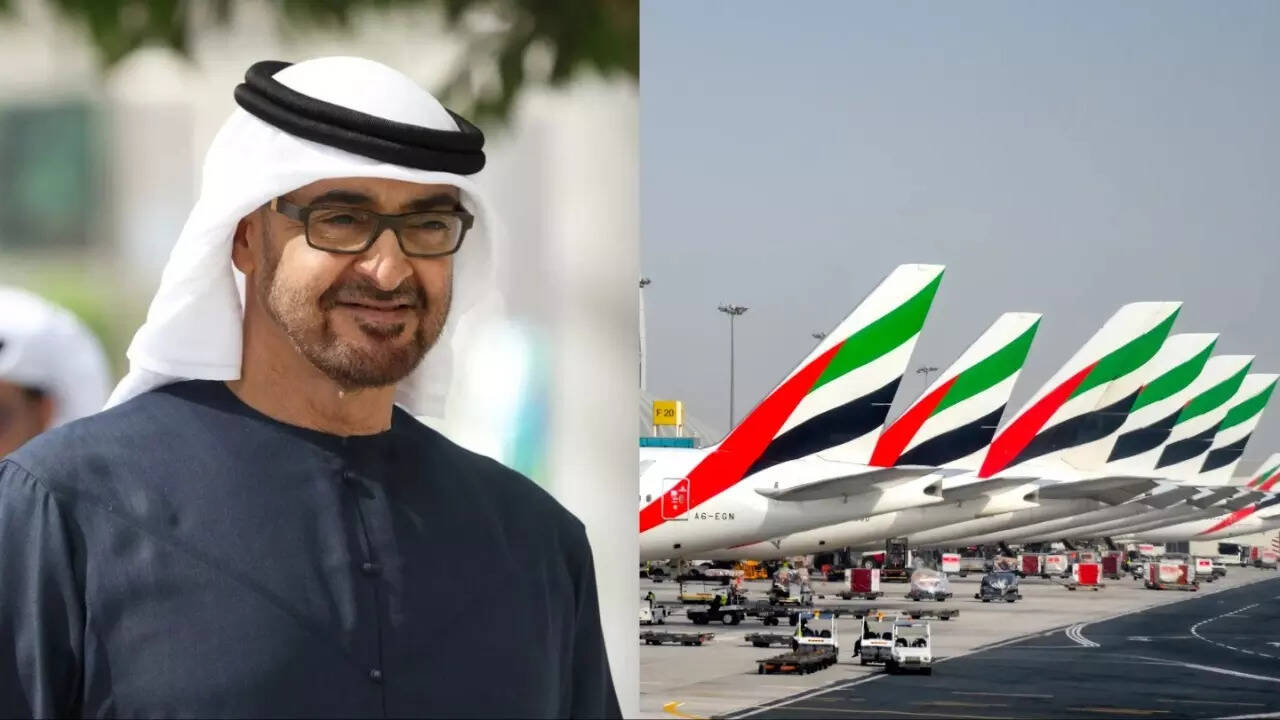
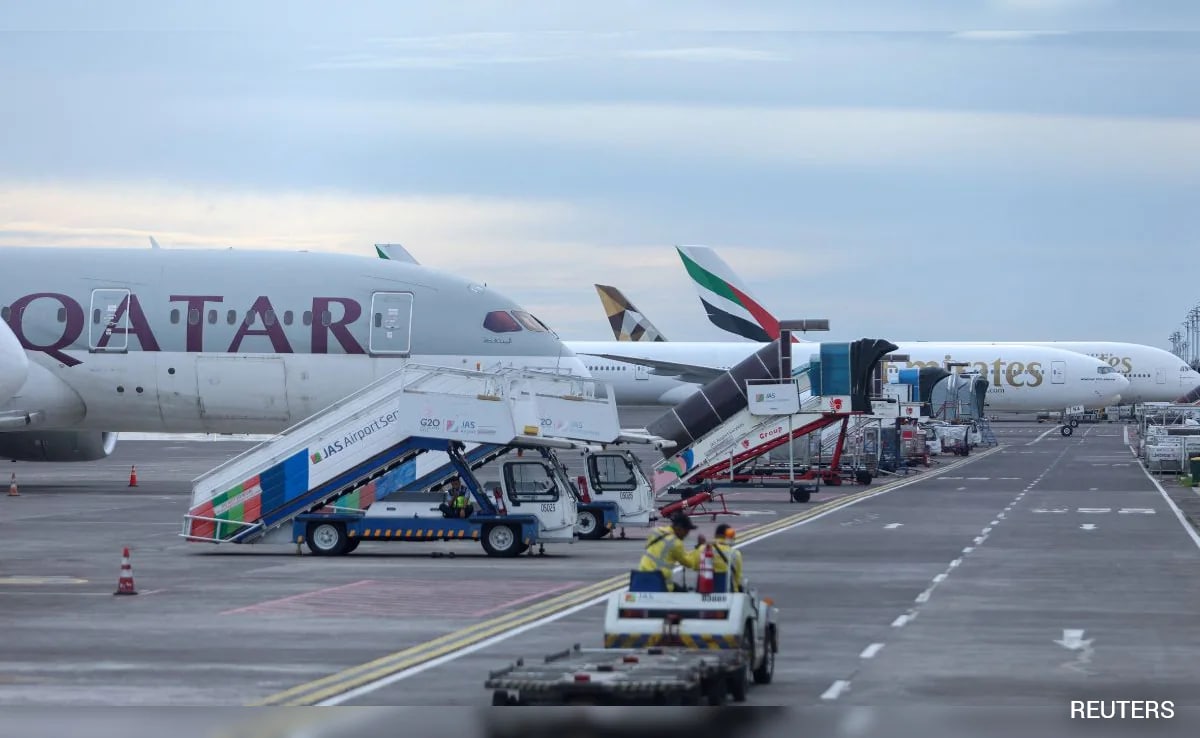
Don't wait for the automated email. If you're flying anywhere near the Middle East or using a Gulf carrier like Emirates, Qatar Airways, or Etihad, you need to be proactive. These airlines are still flying, but they're rerouting.
- Check the Flight Path. Use tools like FlightRadar24. Look at the flight number for the last three days. Is it taking a massive detour? If a 6-hour flight is suddenly taking 8 hours, your layover is at risk.
- Book Direct. This isn't the time to save $50 by booking through a random third-party site. If a cancellation happens, you want to deal with the airline directly, not a chatbot in a different time zone.
- The 24-Hour Rule. In the US, you have 24 hours to cancel for a full refund if you booked at least a week before departure. Use this window if news breaks right after you hit "buy."
- Monitor NOTAMs. Pilots use "Notices to Air Missions." You can find these online. If you see a NOTAM for "Airspace Closure" or "GPS Jamming" in the region you're crossing, expect trouble.
The Logistics of Rerouting
When Iran’s airspace becomes a "no-fly" zone, the primary alternative is the Saudi-Egyptian corridor. This adds significant time to "Kangaroo Routes" (UK to Australia) and flights from Europe to Southeast Asia.
British Airways and Virgin Atlantic have already adjusted their flight levels and paths. It’s a logistical jigsaw puzzle. Pilots have to account for increased fuel burn, which sometimes means bumping cargo or even passengers to keep the plane light enough to make the longer distance. It’s a brutal reality of aviation during conflict.
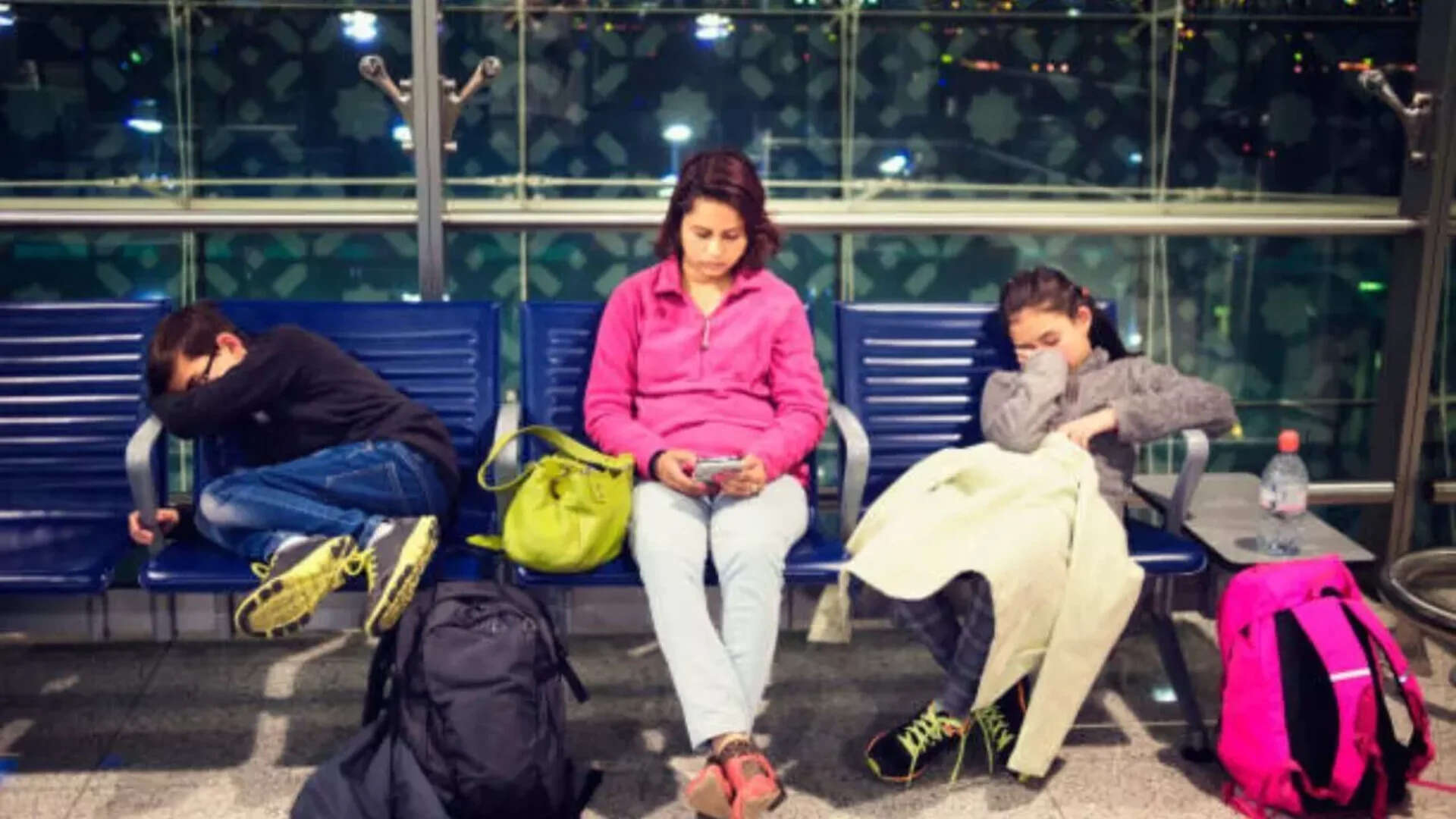
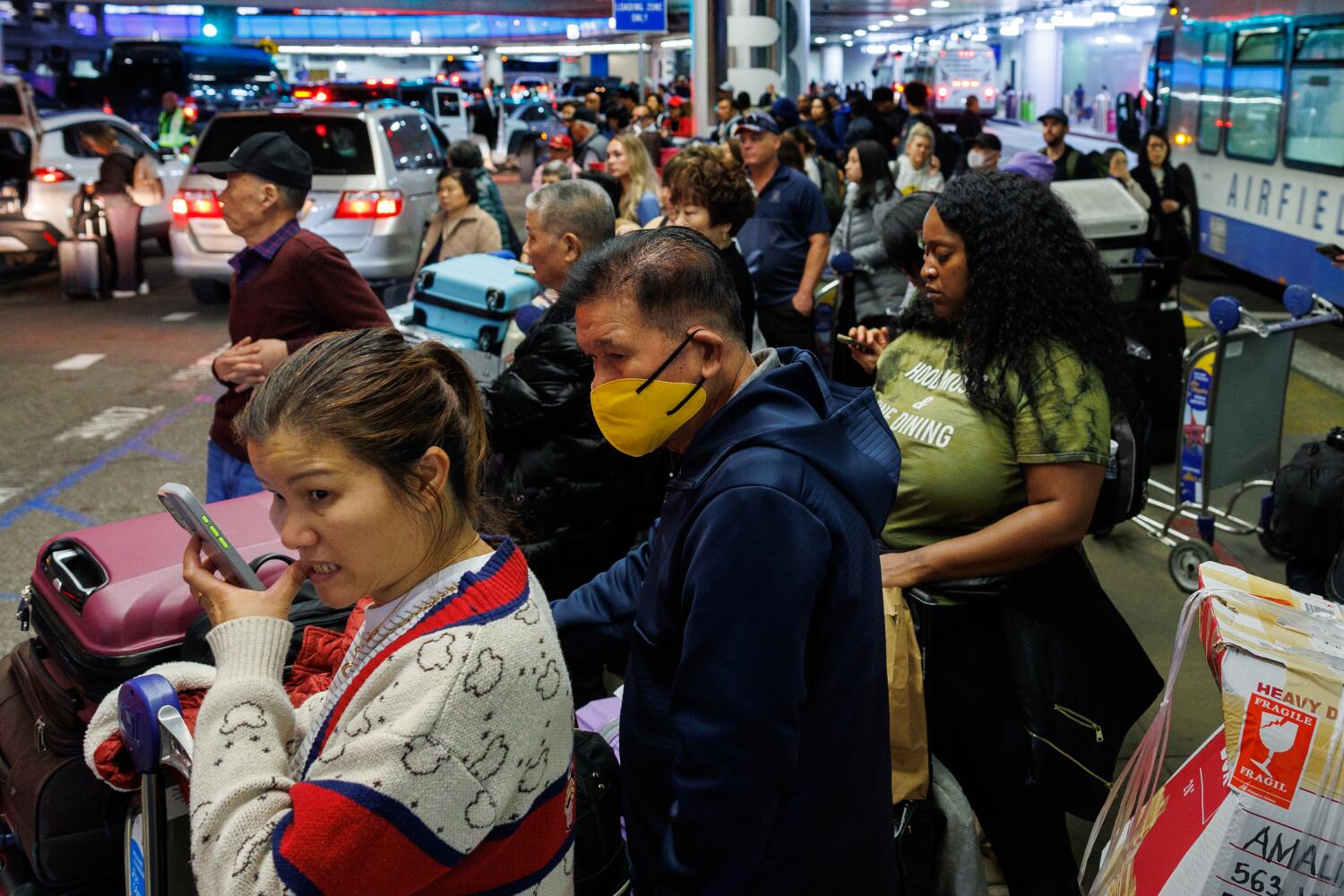
If your flight is cancelled, the airline will try to put you on the next available. But "available" is the keyword. With fewer flights in the air, those seats fill up in seconds. If you're standing in line at a customer service desk, you've already lost. Get on the phone or use the airline's app while you're waiting in line.
Keep your documents ready. Digital copies of your passport and visa are essential. If you get rerouted through a country you didn't plan to visit, you might need a transit visa on the fly. It’s rare, but it happens. Stay sharp. The situation changes every hour, and the airlines are just as stressed as you are.
Verify your flight status before leaving for the airport. If the status says "delayed," check if the inbound aircraft has even taken off. If the plane that's supposed to pick you up is still sitting in another country, your delay is only going to get longer. Move fast, stay informed, and don't expect the airlines to do the legwork for you.