Talk about breaking up Canada used to be backyard chatter. It was the kind of loud, frustrated complaining you heard over lukewarm coffee at a diner outside Calgary or Edmonton. You'd nod, maybe agree that Ottawa took too much and gave back too little, and then you'd go back to work.
Things changed. If you liked this piece, you might want to check out: this related article.
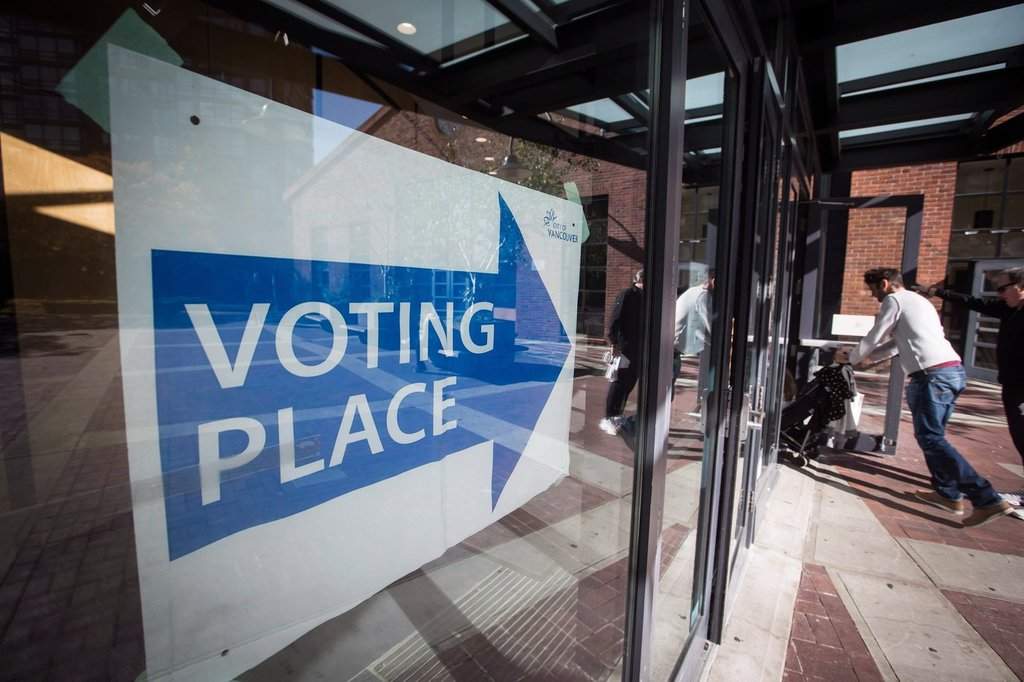
The idea of an Alberta separation vote isn't a fringe joke anymore. Frustration across the province has hardened into something structural. People aren't just venting about equalization payments or energy regulations; they are actively calculating what life outside Confederation looks like. When citizens start treating a constitutional break-up as a logistical puzzle rather than a thought experiment, the political center of gravity shifts.
If you live outside the province, it's easy to dismiss this as provincial posturing. That is a mistake. To understand why tensions are spiking right now, you have to look past the political theater and examine the real mechanics driving Albertans to the edge. For another look on this development, check out the recent update from NPR.
The Financial Grudge That Won't Die
Money sits at the core of this firestorm. Alberta has spent decades pumping billions of dollars net-positive into federal coffers through the equalization formula, only to watch its primary economic engine take hit after hit from federal policy.
Let's look at the numbers without the political spin. Since the 1970s, Alberta's net contribution to the rest of Canada has totaled hundreds of billions of dollars. During boom times, people grumbled but paid up. When oil prices crashed, and federal climate policies started choking pipeline expansions and new capital investment, that math stopped working for everyday families.
The grievance isn't just about cash flow. It's about dignity. When a province feels like an economic ATM for a federal government that simultaneously tries to regulate its main industry out of existence, resentment builds fast.
Ottawa often responds with economic diversification lectures. That falls flat when you live in a place built on heavy industry, agriculture, and energy production. Telling an oilfield worker or an independent rig owner to pivot overnight to green tech isn't a policy solution. It feels like an insult.
Ottawa Blind Spots and Western Alienation
Geographic distance breeds political disconnection. You feel that gap acutely when you stand on Jasper Avenue in Edmonton or drive down Stephen Avenue in Calgary.
Federal elections routinely end before polls even close in Western Canada. Millions of voters watch governments form based entirely on the seat-heavy corridors of Ontario and Quebec. For decades, Alberta has voted overwhelmingly for conservative representation, only to find itself governed by parties with little to no local footprint.
This creates a profound democratic disconnect. When people feel locked out of power at the national level, they start looking for the nearest exit door.
Provincial leaders know how to tap into this vein. Talk of a provincial police force, a localized pension plan, and a standalone tax collection agency sounds radical to Bay Street. In Alberta, it sounds like self-defense. These aren't just abstract policy proposals. They are concrete blueprints for building parallel institutions that reduce dependence on Ottawa piece by piece.
The Practical Nightmare of Separation
Here is where the conversation usually turns messy. While the anger driving the separation movement is real, the mechanics of actually pulling it off are terrifyingly complex.
If Alberta cuts ties, it becomes a landlocked country overnight. That means negotiating trade corridors, border agreements, and airspace access with a federal government that would have every incentive to play hardball.
Then you have the national debt. Canada's creditors wouldn't just let a breakaway province walk away scot-free. Alberta would inherit a massive share of federal liabilities. Currency is another massive hurdle. Would the new nation adopt the Canadian dollar unilaterally without a seat at the central bank table? Would it issue its own currency?
Indigenous land rights add another layer that many vocal separatists conveniently ignore. First Nations across Treaty 6, 7, and 8 territories hold distinct rights and legal relationships with the Crown. A sovereign Alberta cannot simply redraw the map without addressing those foundational legal agreements.
These aren't details you sort out over a weekend summit. They are decade-long legal and economic minefields.
Where This Actually Heads
The pressure valve isn't going to blow tomorrow, but the temperature keeps rising.
Every new federal mandate on emissions, every cap on oil and gas production, and every stalled pipeline project acts like fuel on a smoldering fire. Even if a formal separation vote fails or never makes it to a definitive ballot, the campaign itself changes Canada forever. It forces Ottawa to negotiate from a position of weakness rather than complacency.
Ignore the noise if you want. Write it off as western bluster. But watch the polls, listen to the town halls, and pay attention to how ordinary people talk about their future. Alberta is testing its leverage. If the federal government doesn't learn how to listen, the debate will shift from whether separation is possible to how quickly it can happen.