Power concentrates in strange ways when a single person controls your satellite network, your digital town square, and a fleet of autonomous electric vehicles. We stopped treating tech founders like corporate managers years ago. Now, we treat them like monarchs.
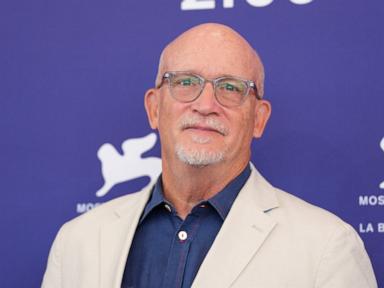
When documentary filmmaker Alex Gibney debuted his sprawling, four-hour investigation titled Musk at the Venice Film Festival, he didn't just target standard Silicon Valley hubris. He brought along voices who know the machinery from the inside, including conservative commentator Ashley St. Clair. Together, they laid out an uncomfortable thesis: Elon Musk isn't just building cool gadgets. He is actively destabilizing democratic norms using the very code and algorithms he controls.
The Price of Silence
Ashley St. Clair occupies a unique position in this story. As a former political influencer who shares a child with Musk, she turned down a $40 million non-disclosure agreement that would have bought her permanent silence. She chose to speak instead.
Her testimony in Gibney's film cuts through the tech-bro mythology. St. Clair revealed that Musk's push to father a massive brood of children is driven by a deep-seated panic over civilizational collapse. More alarming than his personal philosophy, however, is his public platform strategy. St. Clair sued Musk's artificial intelligence company after its Grok chatbot allegedly allowed users to generate explicit deepfake imagery targeting her.
When someone holds immense power over communication channels, personal vendettas merge with public infrastructure. St. Clair argues that Musk intentionally stokes fires on X, engineering cultural division that could yield catastrophic real-world results if left unchecked.
Rewiring the Town Square
Algorithms dictate what billions of people see every single morning. Gibney's documentary dives deep into how the acquisition of Twitter changed the global information ecosystem.
Journalists and insiders interviewed in the project point out a clear pattern. The platform's code was systematically adjusted to suppress mainstream reporting while artificially boosting inflammatory accounts. Vitriol drives engagement. Engagement drives ad revenue and personal validation.
Musk operates under the banner of absolute free speech, but the architecture of X rewards outrage above truth. Gibney notes that he fundamentally misunderstood this dynamic at first. He thought he was analyzing a standard corporate buyout. Instead, he found a political engine designed to amplify polarization and reward the loudest, most extreme voices on the internet.
Irony and Artificial Intelligence
Gibney used a provocative framing device for the project. The film features an artificial intelligence avatar designed to simulate Musk using verified quotes from past interviews.
The choice is dripping with symbolism. Musk frequently muses that humanity likely exists inside a computer simulation. By turning an artificial version of him loose to narrate his own contradictions, Gibney highlights the widening gap between the myth Musk sells and the reality of his actions.
Technology should solve human problems. Instead, we are watching powerful software tools get weaponized for political compliance and personal score-settling. When billionaires cozy up to global right-wing political movements—trading favors, dodging oversight, and gutting state institutions like USAID—the stakes move past tech industry drama. They threaten the foundational checks and balances of open societies.
We can't scroll past this or dismiss it as eccentric billionaire behavior anymore. The systems shaping public thought belong to private actors who answer to no voters. Pay attention to who writes the code, who controls the servers, and who profits from the chaos. Regulate the algorithms or watch the democratic baseline dissolve.