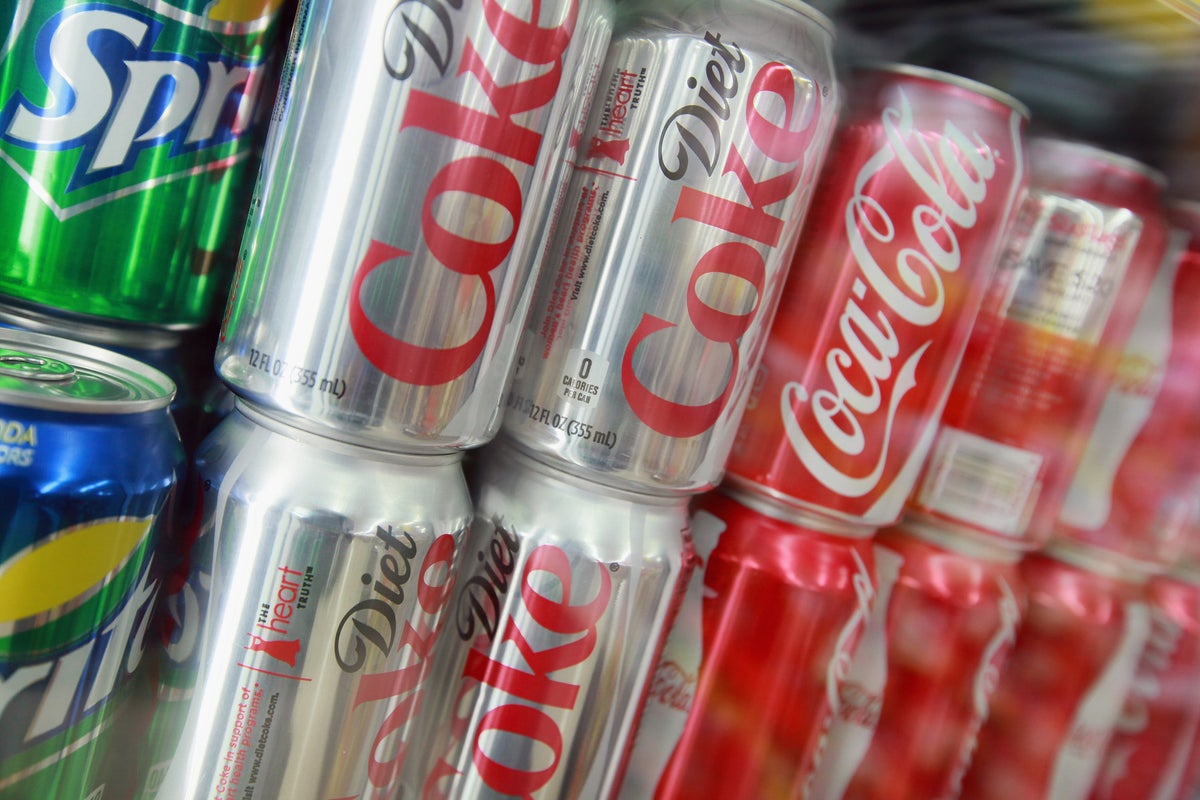
Panic buying has gripped major metropolitan hubs in India as Diet Coke disappears from retail shelves, sparked by a critical disruption in the global aluminum supply chain. While surface-level reports point toward regional conflict in the Middle East, the reality is a far more complex failure of "just-in-time" manufacturing and a heavy reliance on specialized imported materials. The shortage isn't just about a soda preference; it is a clinical demonstration of how fragile the logistics of modern refreshment have become.
The Friction Point in the Supply Chain
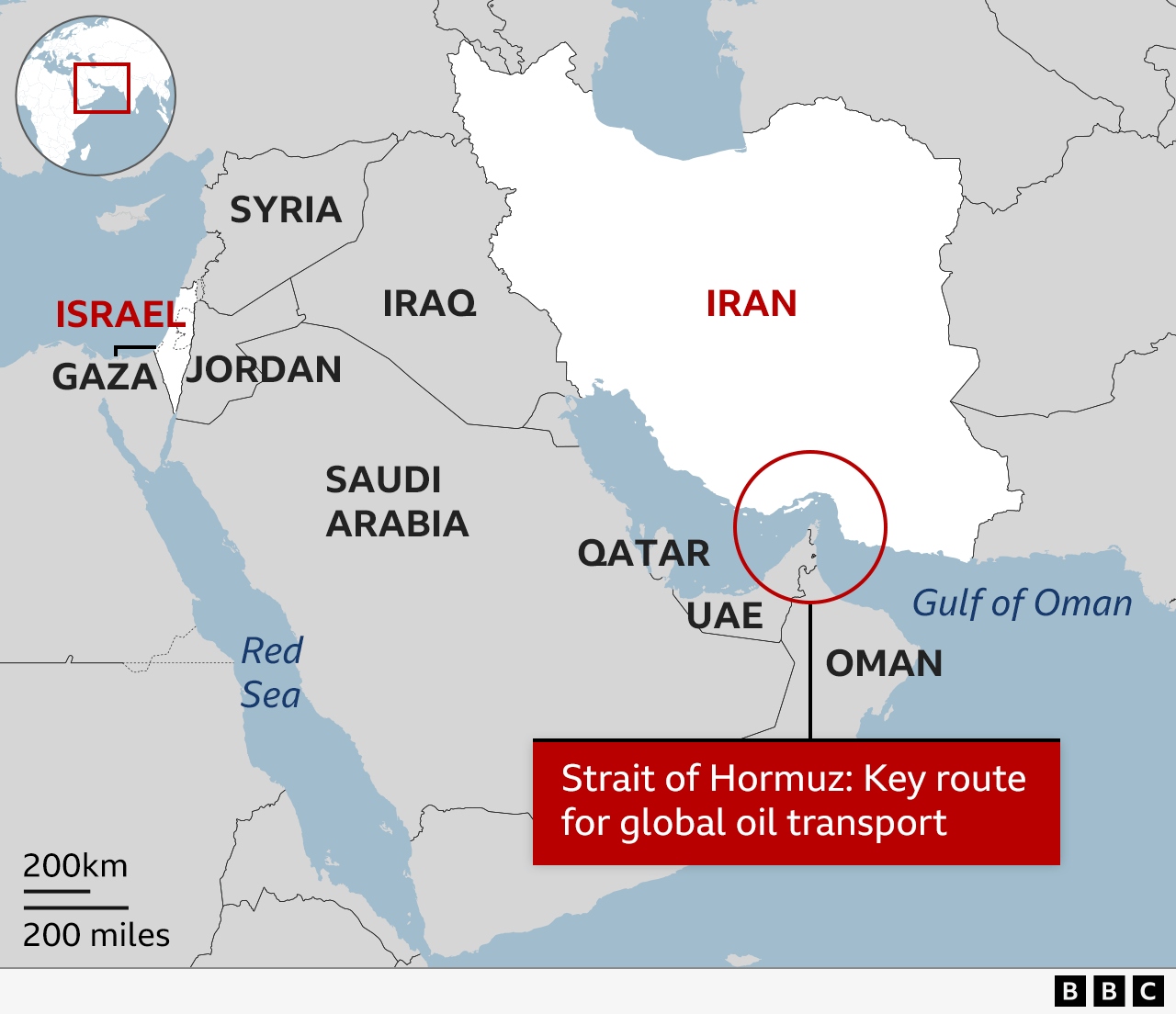
The sudden absence of silver cans in Mumbai, Delhi, and Bengaluru is the result of a geopolitical choke point. India’s beverage industry relies heavily on high-grade aluminum coils, much of which transit through maritime routes currently threatened by escalating tensions involving Iran and the broader Red Sea corridor. When insurance premiums for cargo ships skyrocket, or vessels are diverted around the Cape of Good Hope, the timeline for raw material delivery stretches from weeks to months.
Beverage giants like Coca-Cola do not keep massive stockpiles of cans. They operate on lean inventories. When the influx of aluminum slows down, the canning lines are the first to stop. Bottling plants can switch to glass or PET plastic for flagship products, but Diet Coke occupies a specific niche where the 300ml sleek can is the primary vehicle for the brand’s identity and preservation of its specific carbonation profile.
Why Diet Coke is the First to Fall
In a crisis, manufacturers practice a brutal form of industrial triage. They divert remaining resources to the highest-volume products. Regular Coke and Sprite command the lion's share of the market, so they get the remaining packaging material. Diet Coke, despite its cult-like following among urban professionals and health-conscious consumers, is a lower-volume SKU.
This isn't a mistake. It is a calculated business decision. If a plant only has 10,000 cans left, it will fill them with the product that moves the fastest off the shelf. Diet Coke drinkers are finding themselves at the bottom of the priority list, leading to the "out of stock" stickers appearing on delivery apps and supermarket aisles.
The Geopolitical Shadow over the Persian Gulf
The conflict involving Iran isn't just a distant news headline for Indian consumers. It is a direct hit to the logistics of the Arabian Sea. India imports a significant portion of its industrial metals and energy from the Middle East. Furthermore, the shipping lanes near the Strait of Hormuz are essential for the movement of goods between Europe and Asia.
When regional instability flares, the ripple effect is immediate. Freight forwarders are currently rerouting shipments, which adds roughly 10 to 15 days to the transit time. For a product that depends on high-turnover retail, a two-week delay is an eternity. It creates a vacuum in the market that scalpers and "panic buyers" are all too happy to fill.
The Psychology of the Can Crunch
Once the first reports of a shortage hit social media, the scarcity became self-fulfilling. Consumers who usually buy two cans began buying two cases. This surge in demand during a supply dip cleared out the "buffer stock" held by local distributors within forty-eight hours.
We are seeing a repeat of the supply chain hysteria of the early 2020s, but with a more localized, specific target. The silver can has become a symbol of status and habit. For the dedicated consumer, a plastic bottle of "Diet Coke" does not offer the same tactile experience or chill retention as the aluminum counterpart. This preference has driven the black-market prices of individual cans in some neighborhoods to nearly double their retail value.
The Domestic Manufacturing Gap
India is one of the world's largest producers of primary aluminum, which raises an uncomfortable question: why can’t the country just make its own cans? The answer lies in the technical specifications of the material.
The aluminum used for soda cans is an alloy that must be rolled to an incredible thinness while maintaining enough structural integrity to hold internal pressure. Much of the high-end, food-grade aluminum coil used in the "Drawn and Ironed" (D&I) manufacturing process is imported. Domestic smelters are largely focused on construction-grade and automotive-grade metal.
- Refining capacity: India has the ore, but the specific rolling mills required for ultra-thin beverage sheets are limited.
- Coating technology: The internal lacquer that prevents the acidic soda from eating through the metal is often a proprietary chemical blend sourced internationally.
- Energy costs: Smelting is an energy-intensive process. With global energy prices fluctuating due to the same Middle Eastern tensions, the cost of domestic production is rising alongside import costs.
Shifting Consumption Patterns
Distributors are now encouraging retailers to push alternative packaging, but the resistance is high. The "Diet Coke" brand is inextricably linked to the aluminum can in the minds of its core demographic.
This crisis is forcing a re-evaluation of how international brands manage their Indian footprint. Relying on global trade routes for something as basic as a soda container is now being seen as a strategic liability. We are likely to see an aggressive push toward localizing the entire lifecycle of the can, from the bauxite mine to the filling station, to insulate the market from future Middle Eastern volatility.
The Financial Impact on Small Retail
While the "can crunch" is an inconvenience for the consumer, it is a genuine threat to the margins of small, premium grocers. These "Kirana" stores and modern trade outlets rely on the high-frequency foot traffic that Diet Coke attracts. A customer coming in for a six-pack often leaves with a bag of groceries. Without the "anchor" product, these retailers are seeing a measurable dip in daily receipts.
The logistics providers are also feeling the heat. Small-scale distributors who lack the capital to bid for limited stock are being pushed out by larger conglomerates who can afford to pay a premium to secure what little inventory remains. This consolidation of supply is a quiet side effect of the shortage that will likely outlast the conflict itself.
Hard Realities of Global Interdependence
The idea that a regional war in the Middle East can dictate the availability of a sugar-free soda in South Asia highlights the radical interconnectedness of the modern economy. There is no such thing as a "local" product when the packaging travels halfway across the globe before it is ever filled.
The solution isn't as simple as "ordering more." It requires a fundamental shift in how India handles specialized manufacturing. Until the country can produce its own high-spec aluminum coils at scale, the beverage industry will remain a hostage to the stability of the Red Sea and the whims of global shipping cartels.
The shortage will eventually ease as supply chains recalibrate, but the era of cheap, guaranteed availability is over. Consumers should prepare for a future where "out of stock" becomes a recurring theme whenever a distant border sees a flare-up. The silver can is no longer just a vessel for soda; it is a barometer for global stability.
Watch the shipping lanes, not the grocery aisles, if you want to know when your next drink is coming.