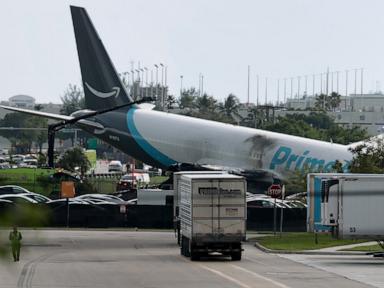
When a massive corporate logistics machine relies on third-party carriers to keep two-day shipping humming, the margins for error are terrifyingly thin. On September 6, 2026, those margins vanished completely at Miami International Airport. A Boeing 767 freighter operated by 21 Air on behalf of Amazon Air overran the runway, barreled 1,300 feet past the pavement, and smashed into a service vehicle. Five people lost their lives on the ground. Weeks later, Amazon officially pulled the plug on its partnership with the carrier.
If you look past the corporate press releases, this tragedy exposes the brittle reality of outsourced air cargo networks. Companies like Amazon want absolute control over package delivery speeds, but they distance themselves from the actual flight operations through complex layers of subcontracting. When things go catastrophically wrong, cutting ties with an airline is easy. Fixing the systemic vulnerabilities of regional cargo transport is a lot harder.
The Anatomy of a Runway Overrun
Flight 7598 arrived from San Juan, Puerto Rico, touching down during a period of light thunderstorms and gusting winds. According to preliminary data and investigations by the National Transportation Safety Board (NTSB), the 32-year-old aircraft came in too fast and too high, failing to bleed off energy before the touchdown zone. Instead of executing a go-around—a standard safety maneuver when an approach goes unstable—the plane bounced down the runway, overshot the pavement by roughly a quarter-mile, tore through a perimeter fence, and slammed straight into a Ford Econoline van carrying employees of an airline cleaning contractor.
Five workers in that van—Rolando Aleman Leon, Yoel Rodriguez Naranjo, Julio C. Pineda, Carlos Acosta Fajardo, and Javierkys Reyes Quevedo—died instantly. Three others on the ground suffered critical injuries, while the two flight crew members also sustained injuries.
The aircraft involved, registered as N1997A, was an aging Boeing 767 converted into a freighter. While older airframes fly safely for decades under strict maintenance regimens, the accident immediately renewed scrutiny on the operational pressures placed on charter and regional wet-lease operators flying tight schedules for major e-commerce giants.
Why Amazon Cut 21 Air Loose
Corporate logistics decisions move fast when public pressure mounts. On September 14, just over a week after the disaster, an Amazon spokesperson confirmed the company had paused all operations with 21 Air.
For Amazon Air, which relies on a patchwork of outsourced carriers like 21 Air, ABX Air, and Sun Country Airlines to move millions of packages, dropping a partner is the immediate playbook. It limits brand liability and signals to regulators that safety protocols are being taken seriously. But severing ties doesn't answer the tougher questions about oversight.
When you contract out your flying capacity, you inherit the safety culture of the lowest rung of your supply chain. 21 Air began operating Boeing 767 freighters for Amazon in 2024, joining a booming digital commerce infrastructure built to satisfy consumer demands for instant gratification. Critics and aviation lawyers have already filed lawsuits in Florida targeting 21 Air, Amazon, and other entities, pointing fingers at crew training, flight decisions, and the reliance on aging conversion aircraft.
The Broader Reckoning for E-Commerce Logistics
This wasn't an isolated incident, though it was the deadliest involving Amazon's air network since an Atlas Air Boeing 767 crashed in Texas in 2019. As parcel volumes swell year over year, regional airports handling cargo see a massive uptick in night operations, heavy loads, and exhausted flight crews.
Pilots flying cargo often face grueling schedules that mirror long-haul trucking rather than major passenger airline operations. While major passenger carriers feature deep safety departments, robust unions, and redundant safety checks, smaller cargo wet-lease operators often run lean. They operate on tight financial margins dictated by tech giants who demand low costs per pound moved.
When an airline pilot feels career pressure to land a unstable jet rather than divert—fearing schedule disruptions or corporate penalties—disasters happen. Eyewitness reports and early NTSB data hint at the immense pressure crews are under when dealing with sudden weather changes and tight delivery windows.
What Needs to Change
Fixing air cargo safety requires more than a tech giant canceling a vendor contract.
- Stricter Oversight of Subcontractors: E-commerce companies must be held accountable for the operational safety metrics of every regional carrier flying under their brand banner.
- Airport Infrastructure Upgrades: Runways handling heavy freight need modern safety features like Engineering Materials Arresting Systems (EMAS), which can safely stop an overrunning aircraft before it breaches airport perimeters.
- Crew Empowerment: Airlines must foster a zero-penalty culture for go-arounds. If a pilot decides an approach is unsafe, turning around must never be weighed against job security.
The tragic loss of five lives in Miami should serve as a wake-up call for the entire logistics industry. Fast shipping is convenient, but it should never cost people their lives on the tarmac.