Modern aviation networks operate on hyper-optimized asset utilization models where aircraft spend minimal time on the ground. When Mount Anak Krakatau erupted in the Sunda Strait, sending ash plumes up to 50,000 feet, it punctured this fragile operational balance. The resulting shutdown of eight Indonesian airports, including Jakarta's Soekarno-Hatta International Airport, stranded over 170,000 passengers and wiped out 1,558 scheduled flights within a single weekend. Standard news coverage frames this event through the lens of passenger inconvenience and meteorological spectacle. A structural breakdown reveals a different reality: a masterclass in how localized geophysical hazards translate into systemic network friction across Southeast Asian transport corridors.
The Aerodynamic Threat Matrix of Volcanic Glass
Jet turbine engines operate at internal temperatures exceeding the melting point of silicate minerals found in volcanic ash. When an aircraft ingests ash clouds, these microscopic glass particles melt in the combustion chamber, coat turbine blades, and rapidly solidify in cooler downstream sections. This thermal accretion chokes airflow, induces compressor stall, and can cause total engine flameout. Unlike meteorological weather systems such as water-based clouds or thunderstorms, radar technology cannot reliably detect fine silicate ash plumes in non-visual conditions.
AirNav Indonesia and the Darwin Volcanic Ash Advisory Centre faced a binary operational constraint: permit flights and risk catastrophic structural hull loss, or enforce total airspace closures. By selecting airspace shutdown, safety regulators shifted the cost from acute catastrophic risk to chronic economic friction. The physical parameters of the eruption—specifically two distinct ash plumes rising to 20,000 feet and 50,000 feet drifting across the Java, Banten, and Lampung sectors—dictated an immediate polygon of exclusion.
Network Propagation Dynamics and Fleet Dislocation
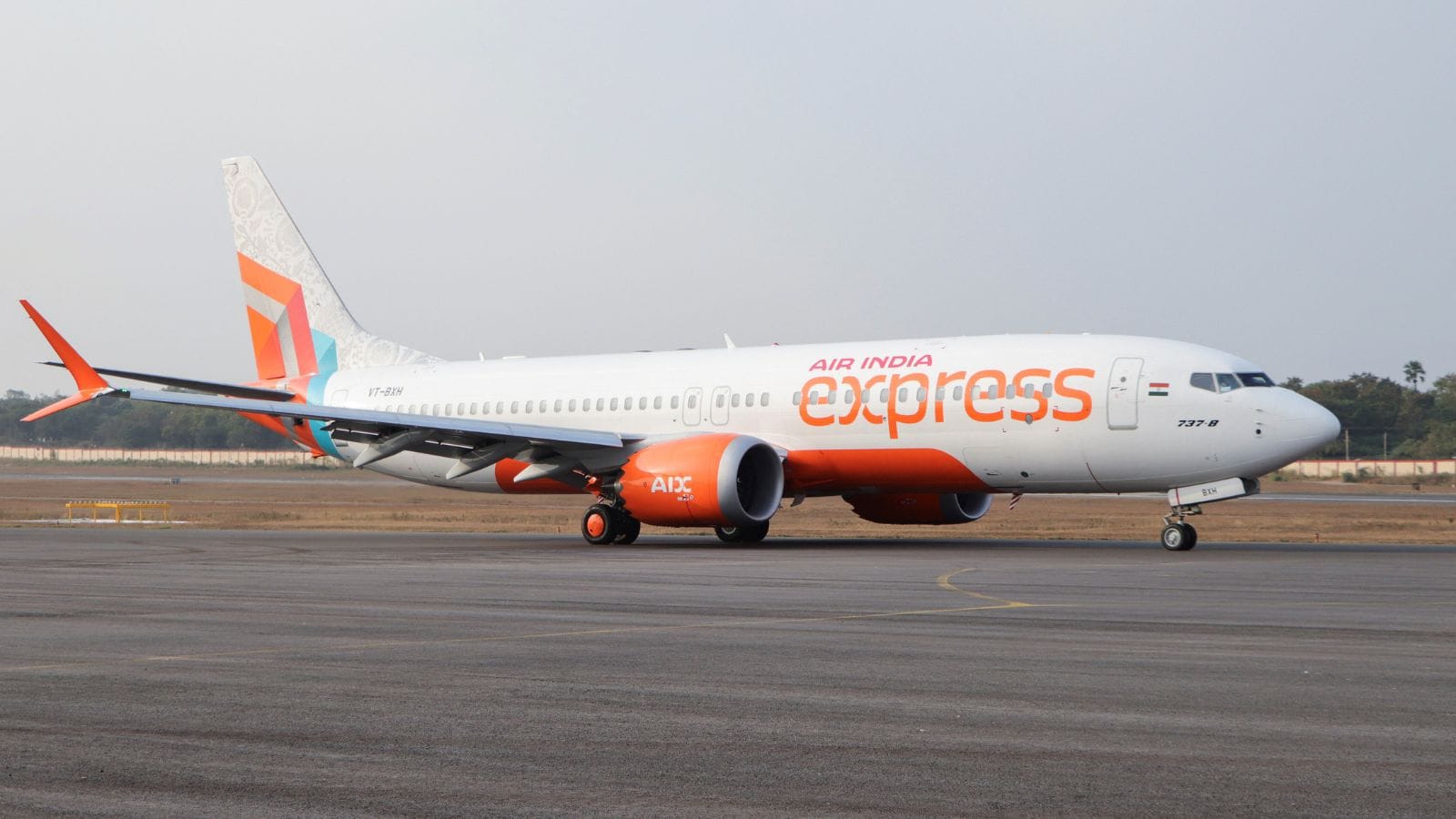
The closure of Jakarta's primary hub rippled outward through secondary and tertiary regional spokes. Commercial aviation scheduling relies heavily on aircraft rotation loops. An aircraft scheduled to fly Singapore to Jakarta, turn around, and service a domestic route to Bali becomes structurally displaced when the destination node closes.
[Volcanic Eruption]
       │
       ▼
[Airspace Closure: 8 Airports]
       │
       ▼
[Hub Paralysis: Soekarno-Hatta]
       │
       ▼
[Fleet Dislocation & Crew Out-of-Position]
       │
       ▼
[Cascading Network Delays Across Southeast Asia]
Airlines operating narrow-body fleets in the region lost control of crew duty-hour limits. Crews stranded out-of-position cannot legally operate subsequent legs without mandatory rest periods, creating secondary cancellations days after ash dispersion ceases. Regional carriers such as Singapore Airlines and Qantas experienced immediate route truncations, proving that hub dependency creates systemic vulnerability. When Soekarno-Hatta handles nearly 1,000 of the cancelled movements in a single cycle, the localized stoppage acts as a nationwide choke point.
Passenger Mitigation Economics
The stranded population of 170,000 travelers triggered a complex liability distribution matrix between carriers, airport operators, and passengers. Under standard international aviation conventions, volcanic eruptions are classified as force majeure events. This legal designation exempts carriers from mandatory statutory compensation for delays and cancellations, shifting the financial burden of accommodation, rebooking, and secondary transit squarely onto the consumer or travel insurance pools.
Carriers deployed two primary operational defenses to manage terminal congestion: digital self-service rebooking portals and physical queue management. However, the sheer volume of disrupted inventory overwhelmed legacy reservation systems. Surface transport alternatives absorbed the displaced demand spillover. State railway operators in Java deployed extra train capacity between Surabaya and Jakarta to capture passengers seeking alternative modalities. This shift highlights a structural advantage of archipelagic rail networks during localized aviation shutdowns, though maritime transit through the Sunda Strait remained constrained by mandatory navigation warnings near the Anak Krakatau exclusion zone.
Operational Recovery Vectors
Restoring network equilibrium following a geophysical shutdown requires a phased sequencing of safety verification and asset redistribution. Airport operators cannot simply reopen terminals when the eruption subsides; they must execute physical runway sweeping to clear abrasive grit from tarmac surfaces, inspect lighting systems, and re-certify instrument landing systems.
Airlines must execute a recovery algorithm prioritizing long-haul wide-body repositioning flights to clear backlogged hub queues before reintegrating short-haul domestic rotations. Ground handlers must reallocate baggage reconciliation systems to manage thousands of misrouted bags left behind in terminal transit zones. Network recovery speed is inversely proportional to the duration of the initial closure multiplied by the hub's connectivity index.
Airlines operating in the Pacific Ring of Fire must transition from reactive schedule cancellation to predictive dynamic routing. Fleet management systems require tighter integration with real-time satellite telemetry from vulcanological advisories to route aircraft around projected ash vectors before airspace mandates force total ground stops. Ground operations must maintain standing protocols for modular passenger containment, utilizing regional rail partnerships as pre-contracted contingency channels to prevent terminal gridlock during extended asset freezes.