Volcanic eruptions present acute systemic shocks to regional aviation networks, transforming localized geological phenomena into international logistical crises. When Anak Krakatoa erupts, the immediate operational hazard is not lava flow, but the ejection of fine-grained silicate ash into the troposphere and stratosphere. Jet turbine ingestion of volcanic particulate matter creates immediate mechanical failure vectors, forcing regulatory bodies and civil aviation authorities to enact sweeping airspace closures. This operational friction cascades through regional hubs, immobilizing fleets, shifting maintenance schedules, and destabilizing supply chains across Southeast Asia.
The Physical Mechanics of Ash Dispersion
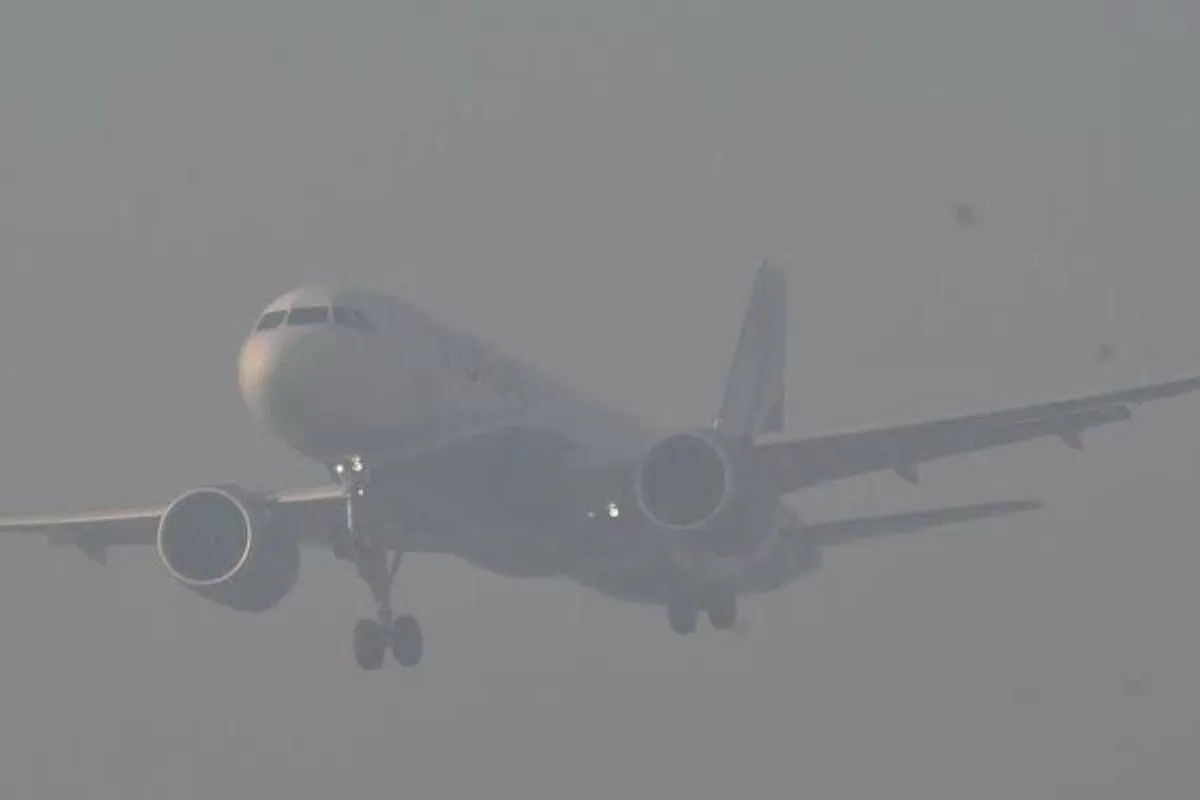
Volcanic ash consists of pulverized rock, minerals, and glass fragments measuring less than 2 millimeters in diameter. Unlike meteorological clouds, silicate ash clouds are abrasive, dense, and chemically reactive. When jet engines ingest these particles, internal turbine temperatures—which routinely exceed the melting point of volcanic glass—cause the ash to liquefy. Molten glass coats the high-pressure turbine blades, solidifies in the cooler downstream sections, and disrupts airflow, leading to catastrophic engine flameout and total loss of thrust.
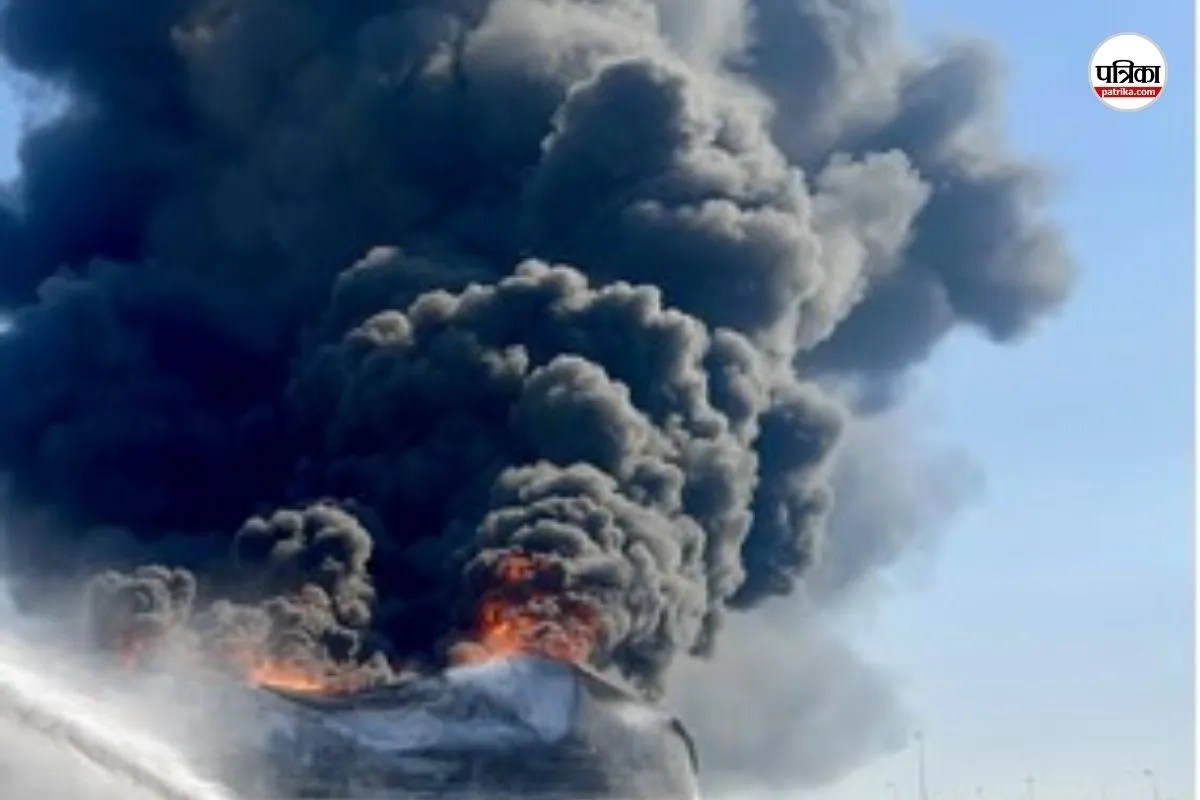
The dispersion pattern of Anak Krakatoa's plumes depends on tropospheric wind vectors, eruption column height, and mass eruption rate. Explosive Strombolian to Plinian activities thrust columns kilometers into the atmosphere, where high-altitude jet streams distribute ash across major commercial flight corridors between Jakarta, Singapore, and Australia.
Atmospheric monitoring requires real-time coordination between Volcanic Ash Advisory Centers and meteorological agencies. Satellite imagery tracks sulfur dioxide signatures and particulate density, yet ground-truth validation remains constrained by radar limitations over maritime regions. Consequently, aviation risk management relies on conservative thresholds, grounding fleets upon the mere detection of high-concentration ash trajectories rather than waiting for direct engine encounters.
Systemic Vulnerabilities in Regional Airport Networks
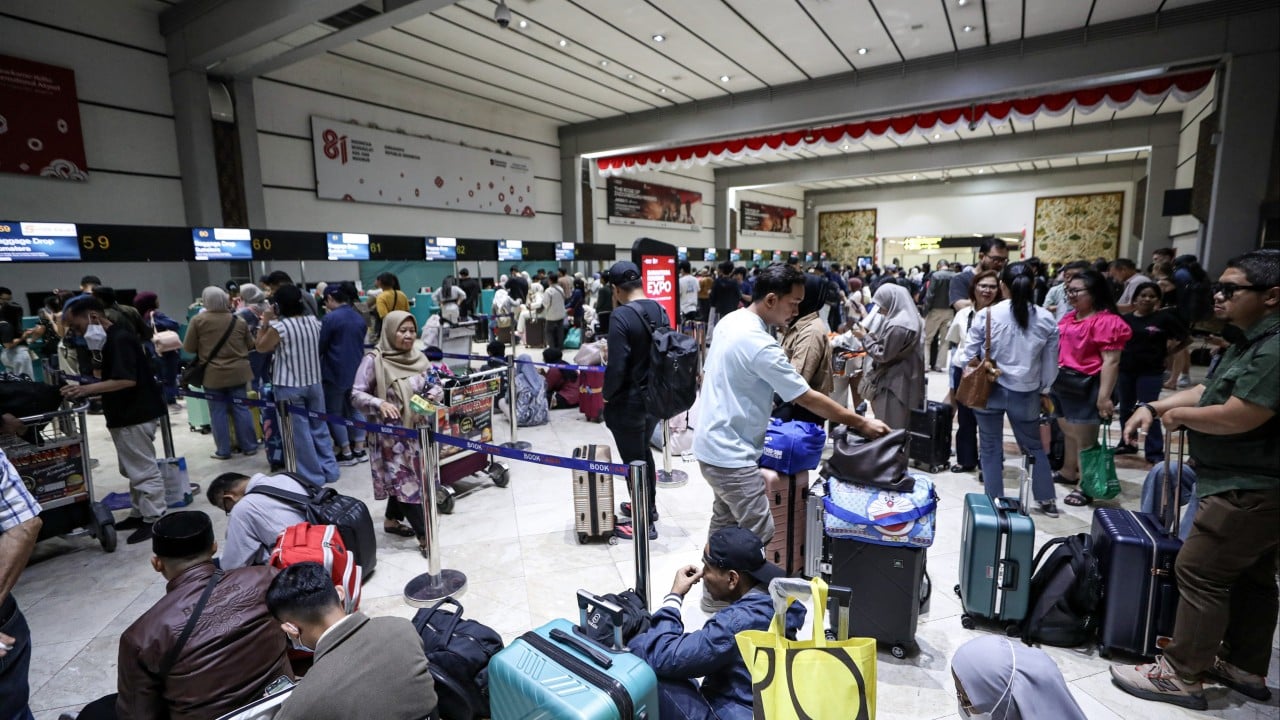
Aviation infrastructure operates on high-utilization, low-margin schedules. The sudden shutdown of six airports surrounding the Sunda Strait—such as Soekarno-Hatta International and Halim Perdanakusuma—triggers immediate network imbalance.
Fleet Displacement and Scheduling Entropy
Aircraft assigned to routes terminating in ash-affected zones become stranded out of phase. Airlines cannot simply reroute aircraft without cascading delays across secondary and tertiary spokes. Gate allocations, crew duty-time limits governed by international safety regulations, and maintenance backlogs compound the operational friction. When a primary gateway closes, the resulting displacement forces airlines to absorb cancellation penalties, passenger compensation liabilities, and unplanned ferry flights to reposition hardware.
Ground Operations and Particulate Ingestion
Even when airborne operations cease, volcanic ash accumulation on airport tarmac creates severe ground hazards. Fine ash infiltrates auxiliary power units, clogs runway lighting, reduces braking friction coefficients, and damages ground support equipment. Sweeping and clearing operations require specialized vacuum-equipped machinery to prevent abrasive particles from being kicked up by taxiing aircraft. The economic cost of an airport closure is therefore two-tiered: the immediate lost revenue from landing fees and passenger spending, followed by the capital expenditure required for deep cleaning and abrasive-induced maintenance overhauls.
Economic Cost Functions and Supply Chain Fractures
The financial impact of an Anak Krakatoa eruption operates on a non-linear scaling curve. Direct costs include fuel burn from tactical detours, passenger care mandates under consumer protection laws, and asset depreciation from idle time. Indirect costs materialize through cargo capacity constraints.
High-value, time-sensitive freight—such as semiconductor components, medical supplies, and perishable agricultural goods—relies heavily on the bellies of commercial passenger aircraft operating out of Indonesian hubs. When regional airspace restricts movement, supply chains experience severe lead-time inflation. Alternative maritime routes or overland transport alternatives within the Indonesian archipelago are structurally constrained by geography, making immediate modal substitution impossible.
Insurance underwriters factor these catastrophic geological risks into annual hull and liability premiums for carriers operating within the Pacific Ring of Fire. Airlines balance these premiums against historical probabilities of disruption, yet climate-linked meteorological shifts and heightened volcanic periodicity demand dynamic pricing models that account for systemic network vulnerabilities rather than isolated historical averages.
Operational Protocol for Volcanic Risk Mitigation
Airlines and airport operators must transition from reactive crisis management to predictive operational resilience. The primary vector for mitigating ash-related disruption involves real-time sensor integration and flexible route optimization algorithms. Carriers operating within high-risk volcanic zones should implement automated rerouting protocols that ingest satellite-derived ash concentration data directly into flight management computers, bypassing manual dispatch bottlenecks. Furthermore, establishing redundant hub arrangements outside the immediate fallout radius allows carriers to rapidly shift maintenance and crew bases during regional airspace closures.