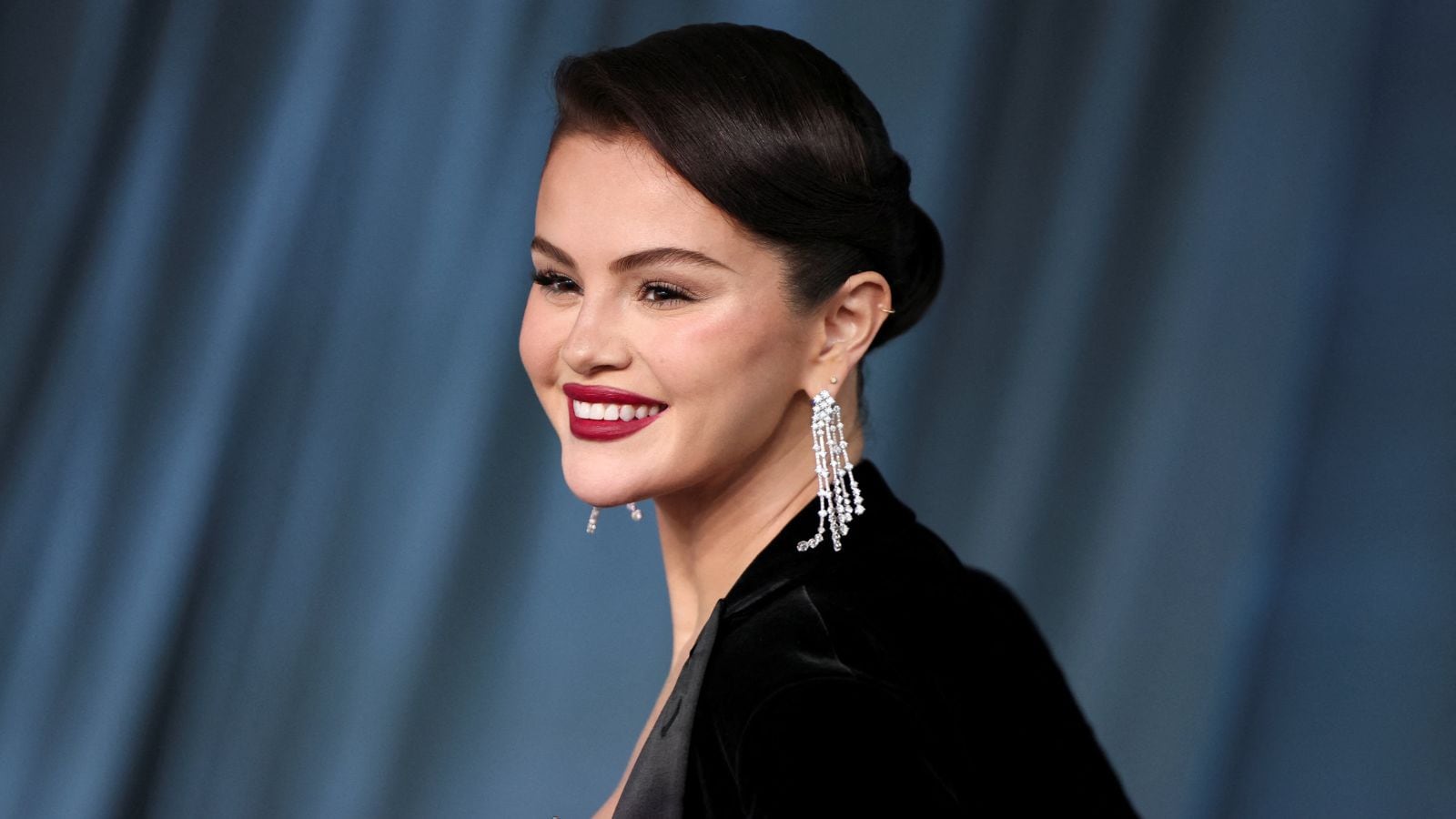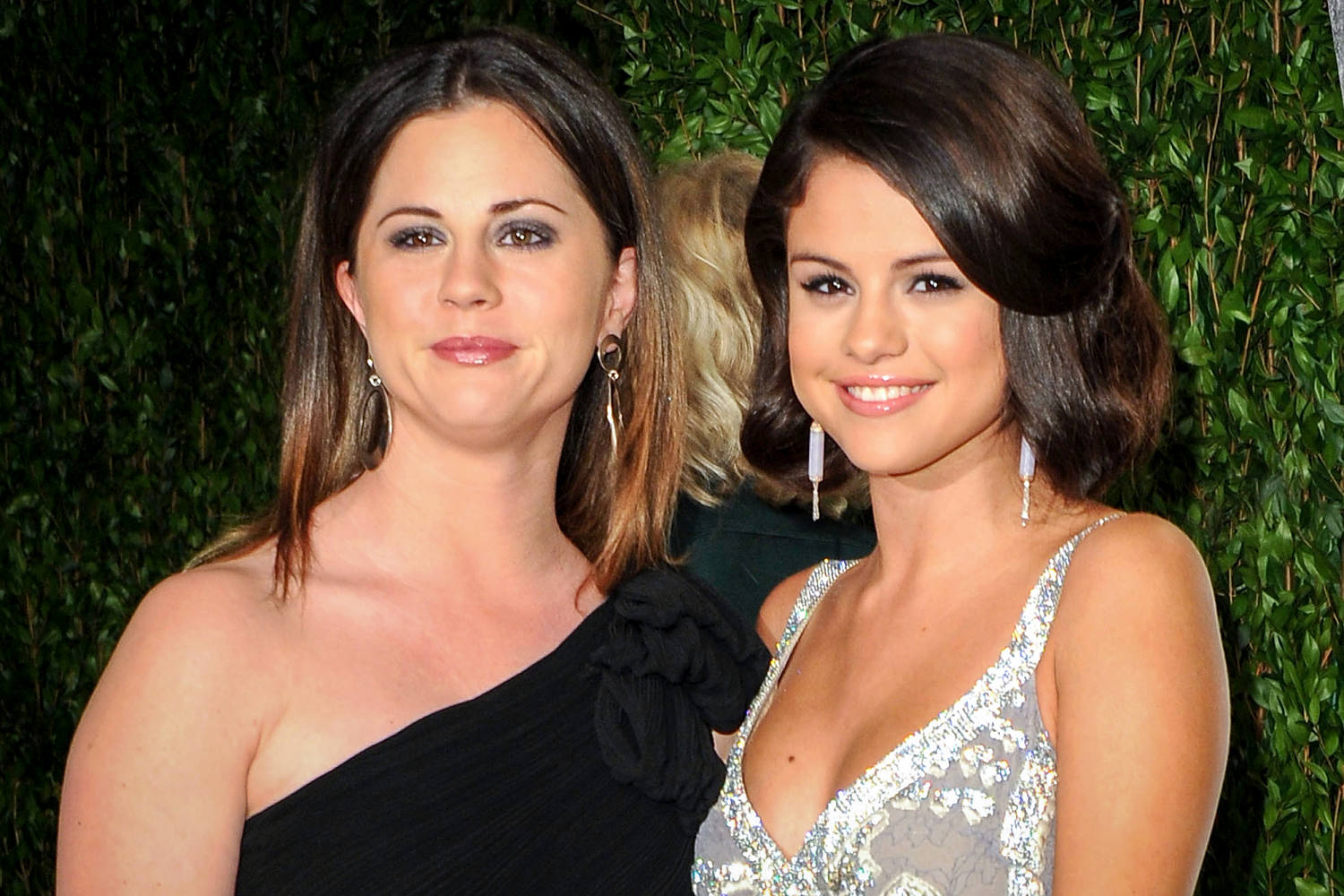
Celebrity-backed startups operate on an asymmetrical risk curve where marquee equity acts as a substitute for operational infrastructure. When Wondermind Global was launched in 2021 by Selena Gomez, Mandy Teefey, and Daniella Pierson, it secured capital not through traditional validation of market-fit or proprietary technology, but through the gravitational pull of a half-billion social media followers.
The securities fraud lawsuit filed in Delaware federal court by investors including Wondermind SRS 44 LLC and Bespoke Wondermind LLC exposes the structural vulnerabilities of this model. Seeking the return of nearly $1.2 million in capital, the plaintiffs assert a fundamental thesis: celebrity reputation was used as a speculative wedge to extract capital while structural execution was chronically neglected. Dissecting this collapse provides a blueprint for understanding why vanity asset allocation models fail when subjected to market reality. For a more detailed analysis into this area, we recommend: this related article.
The Three Vectors of Misrepresentation
Venture capital governance assumes an alignment of incentives between founders and investors. In celebrity-anchored entities, this alignment is frequently distorted by marketing imperatives that outrun operational capacity. The litigation categorizes the breakdown into three distinct structural failures.
The first vector involves the inflation of founder participation. Selena Gomez was designated as chief impact officer and head of marketing, with pitch decks assuring investors that her global reach would serve as the primary customer acquisition engine. The complaint alleges that Gomez signed contractual obligations to perform these promotional duties and subsequently ignored them, functioning primarily as a passive image asset rather than an active executive. For additional context on this topic, comprehensive analysis is available at MarketWatch.
The second vector targets operational competence and pedigree inflation. Co-founder Daniella Pierson was positioned as an experienced operator capable of managing daily business operations due to her background with The Newsette. The lawsuit points out that these past achievements and the projected returns tied to them were materially overstated, creating a governance vacuum at the management layer.
The third vector concerns technical infrastructure. The enterprise purported to build a comprehensive digital ecosystem for mental fitness, complete with mobile applications and strategic partnerships. According to the plaintiffs, the core application was never actually built, and the touted partnerships existed solely on marketing materials rather than in operational reality.
The Cost Function of Silent Collapse
A critical dimension of the legal filing is the temporal duration of the concealment. The plaintiffs note a three-year period during which the company quietly disintegrated without communication to the capital providers funding the burn rate.
In a traditional enterprise, capital burn correlates with milestone progression. Financial burn without milestone delivery triggers governance interventions, such as board restructuring or capital freezes. In the case of Wondermind, the presence of dominant celebrity founders created an insulated hierarchy. Management avoided transparent reporting because the brand equity of the primary founder made external scrutiny politically difficult for early investors to initiate.
Internal disarray compounded this silence. Reports of missed payroll, unpaid vendors, and operational dysfunction under Mandy Teefey's co-chief executive tenure created an inverted cost function. Capital was consumed by administrative friction and internal friction rather than product iteration or customer acquisition. When investigative reports from media outlets such as The Cut and Forbes surfaced between late 2025, they served as external auditing mechanisms that forced structural insolvency into the open.
The Celebrity Venture Arbitrage
The mechanics of the Wondermind collapse highlight the limits of celebrity venture arbitrage—the practice of substituting organic product-market validation with personal brand equity.
When consumer-facing startups rely on an individual's charisma to lower customer acquisition costs, the business model assumes that brand gravity can permanently offset high churn and low retention. In the mental health and wellness vertical, trust is the core currency. If the operational entity fails to deliver functional digital tools, the brand equity of the founder experiences a reciprocal depreciation.
Investors who allocate capital based on social media reach commit a fundamental due diligence error by treating audience size as a proxy for operational execution. Audience conversion rates in digital health applications depend on clinical validation, continuous UI/UX updates, and data security compliance. None of these variables are influenced by the follower count of a co-founder.
Strategic Allocation of Capital Going Forward
To prevent systemic exposure to vanity-driven enterprise failures, institutional allocators must implement rigorous structural controls when evaluating founder-backed ventures.
Due diligence frameworks must require verifiable escrow of time commitments from high-profile principals, tied to clear performance milestones rather than nominal title assignments. Technical infrastructure audits must precede capital disbursement, ensuring that software codebases exist independently of marketing decks. Finally, governance covenants must mandate quarterly operational disclosures, preventing management teams from concealing internal friction behind the protective shield of a celebrity partner's public persona.