Modern defense industrial bases operate on a foundational illusion. Systems analysts frequently evaluate military capacity through output metrics: inventory volume, delivery velocity, and contract backlog value. This paradigm collapses the moment a single node in the propulsion architecture fails. When an industrial accident occurs at a core precursor facility, the metric shifts from completed units per quarter to the time required to re-establish chemical synthesis lines.
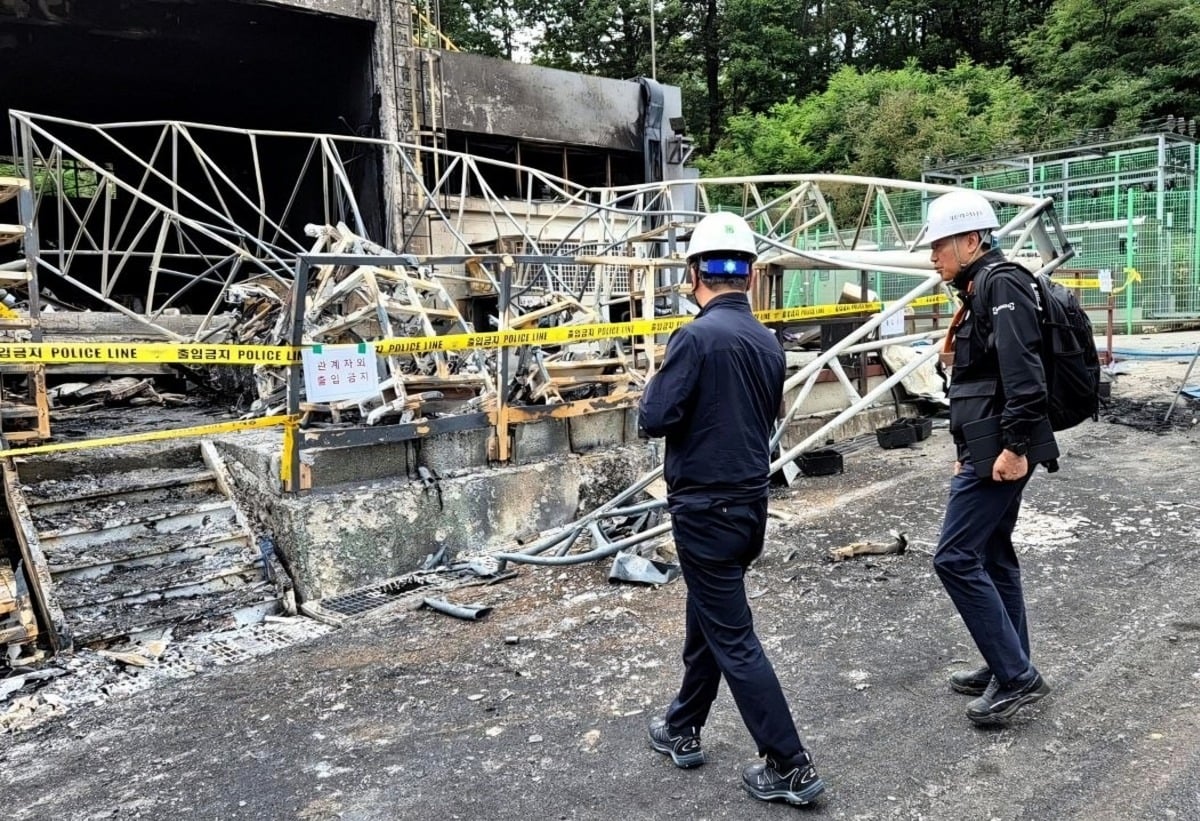
The catastrophic blast at Hanwha Aerospace's Daejeon facility revealed structural fragilities that static inventory counts obscure. Analyzing this disruption requires dissecting the systemic dependencies governing the South Korean defense export boom.
The Cost Function of Single Source Inputs
National defense supply chains prioritize vertical integration for finished weapon platforms while tolerating extreme horizontal consolidation in chemical inputs. Solid rocket propellant manufacturing depends on specific precursors, composite binders, and stable oxidizers.
The economic rationale for consolidation is straightforward. Low-volume, high-hazard chemical processing yields narrow operating margins when distributed across multiple plants. Centralizing production at a single facility minimizes overhead, but it converts a localized operational risk into an existential choke point for the entire national security framework.
- Fixed Capital Intensity: Propellant mixing and washing facilities require specialized blast-mitigation architecture, driving up capital expenditure per square meter.
- Regulatory Friction: Environmental and safety zoning laws restrict facility expansion near urban centers, preventing redundant manufacturing footprints.
- Skill Retention: Handling energetic materials requires specialized technical experience that cannot be rapidly transferred to a substitute workforce.
When a blast occurs within a cleaning or separation room handling residual energetic materials, the loss of physical infrastructure is secondary. The primary constraint is the loss of certified throughput capacity.
Structural Bottlenecks in Guided Weapon Production
A guided missile system is a sequence of interdependent sub-assemblies. If the propulsion subsystem stalls, final assembly lines face immediate starvation. The propagation of a supply chain shock follows a predictable path through tier suppliers.
[Energetic Precursor Facility]
       │
       ▼ (Primary Choke Point)
[Propellant & Motor Casting]
       │
       ▼
[Guidance & Control Integration]
       │
       ▼
[Final Platform Delivery]
The Velocity Mismatch
Contractual obligations for global export orders demand accelerated delivery schedules. Conversely, energetic material manufacturing operates on strict safety-mandated cycle times. Curing solid rocket motors, testing propellant stability, and clearing cleaning rooms cannot be safely accelerated. When an accident forces an emergency shutdown, downstream assembly cannot pivot to alternative domestic suppliers because regulatory clearance for new energetic synthesis lines requires years of environmental and safety auditing.
Safety Protocol Redundancy vs. Human Error Margins
Operational audits of energetic material plants frequently reveal a reliance on procedural adherence rather than automated isolation. Facilities utilize manual or semi-automated cleaning processes—such as using specialized tools to strip residual powder from mixing and valving infrastructure.
The kinetic energy released during an unplanned ignition event demonstrates that human proximity to active chemical residue remains an unmanaged variable. True system resilience requires physical separation of operators from high-energy zones via remote robotics, a capital upgrade that legacy industrial layouts often defer.
Strategic Realignment of Defense Logistics
Rebuilding resilience within advanced missile manufacturing requires moving away from just-in-time efficiency metrics. Defense planners must evaluate production ecosystems through the lens of fault tolerance.
Dual-sourcing energetic chemicals involves overcoming strict regulatory barriers and accepting higher baseline maintenance costs. However, the economic cost of an operational shutdown affecting multi-billion-dollar export portfolios dwarfs the capital expenditure required to build modular, geographically separated precursor plants.
The strategic imperative moving forward is the implementation of mandatory redundancy quotas for tier-three chemical inputs, enforcing strict physical isolation of cleaning environments, and decoupling final vehicle integration schedules from single-site propellant manufacturing.