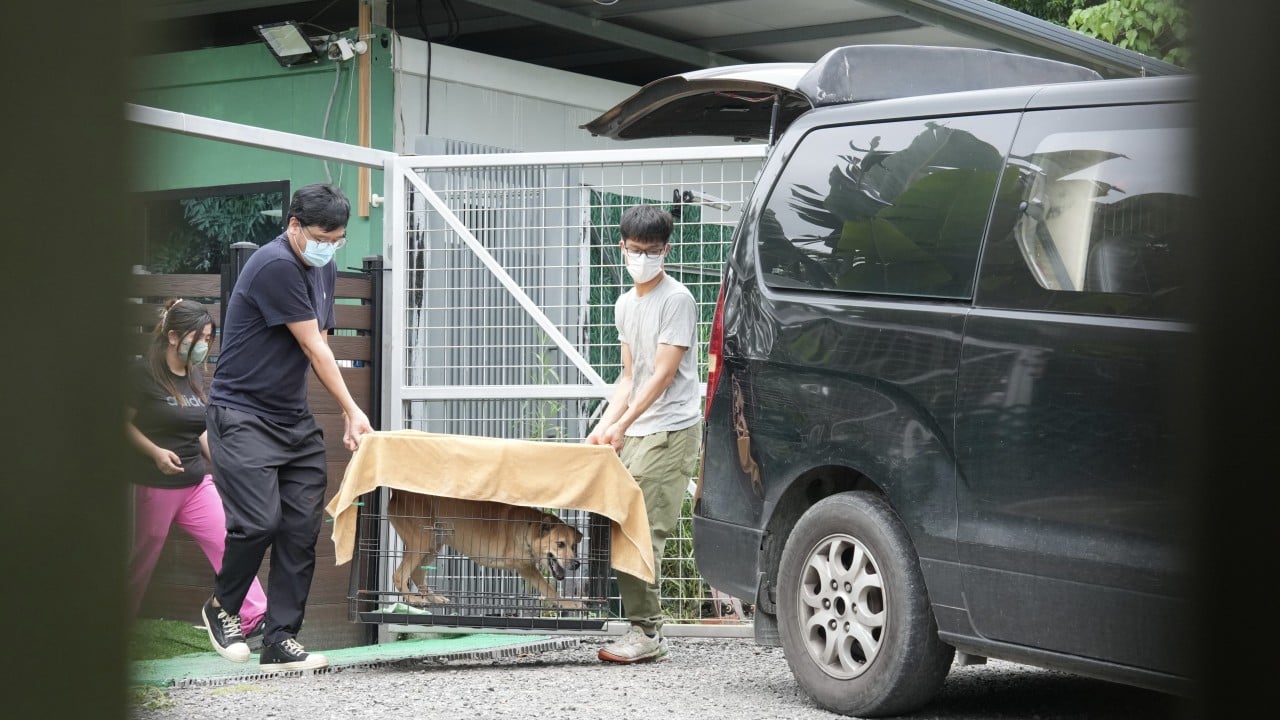
Regulatory frameworks governing animal control fail when classifications rely on phenotypic checklists rather than behavioral metrics. Following a fatal mauling at a dog training facility in Ta Kwu Ling, where a canine involved was misclassified as a mongrel despite possessing fighting breed traits, the Hong Kong government initiated an urgent review of its Dangerous Dogs Regulation. This incident exposes the systemic vulnerabilities inherent in static legal definitions, administrative classification lags, and enforcement blind spots within commercial boarding facilities.
The Structural Taxonomy of Dangerous Dog Regulation
Hong Kong legislation divides high-risk canines into rigid statutory silos under the Dangerous Dogs Regulation. Schedule 1 identifies specific fighting breeds, restricted strictly through import bans, mandatory neutering, physical muzzling, and short-leash mandates in public spaces. These breeds include the Pit Bull Terrier, Japanese Tosa, Dogo Argentino, and Fila Braziliero, alongside any crossbreeds of these types.
The primary regulatory bottleneck lies in the identification vector. Microchip records frequently capture animal registration data at the point of initial veterinary intake or import, but phenotypic drift and crossbreeding obscure lineage. When a dog is registered as a generalized mongrel rather than a restricted lineage, it bypasses the mandatory secondary controls designated for fighting breeds. The administrative taxonomy fails because it assumes visual identification by owners or baseline practitioners is infallible.
The Enforcement Deficit in Commercial Facilities
Public safety controls heavily emphasize public spaces, mandating that large dogs or restricted breeds remain muzzled and leashed outdoors. However, private commercial environments such as training centers, boarding hotels, and rehabilitation kennels operate in a regulatory gray area regarding day-to-day handling protocols.
When handlers operate in closed environments, the absence of active structural oversight shifts total liability onto individual competency. The risk function escalates exponentially when handlers manage misclassified or poorly socialized animals without standardized safety protocols. Commercial operators face minimal proactive auditing from the Agriculture, Fisheries and Conservation Department regarding internal animal segregation, facility infrastructure, or emergency containment mechanisms.
The Cost Function of Non-Compliance
Current statutory penalties under the Prevention of Cruelty to Animals Ordinance and related ordinances establish fine ceilings and custodial terms, yet the economic deterrence remains weak relative to the commercial upside of circumventing restrictions.
- Administrative Lag: The time window required for the Dogs and Cats Classification Board to reclassify an animal following an incident creates a dangerous operational delay.
- Verification Friction: Veterinary assessments rely on subjective morphological analysis rather than genetic screening panels, allowing restricted lineages to slip through administrative filters.
- Penetration Limits: Enforcement inspections target public foot traffic and licensing paperwork rather than auditing private training facilities where high-liability handling occurs.
Systemic Corrections for Regulatory Integration
To close the enforcement loop, legislative amendments slated for the Legislative Council must pivot from static breed bans to dynamic behavioral and genetic verification standards.
Mandatory genetic testing upon initial microchipping for any canine exhibiting ambiguous morphological traits removes human error from the classification process. Furthermore, commercial boarding and training facilities must operate under a distinct licensing tier requiring certified behavioral audits for any animal exceeding weight or power thresholds, regardless of stated breed lineage.
Establish mandatory operational protocols for all commercial facilities handling dogs over twenty kilograms, requiring double-barrier containment gates and mandatory dual-handler systems for high-arousal animals.