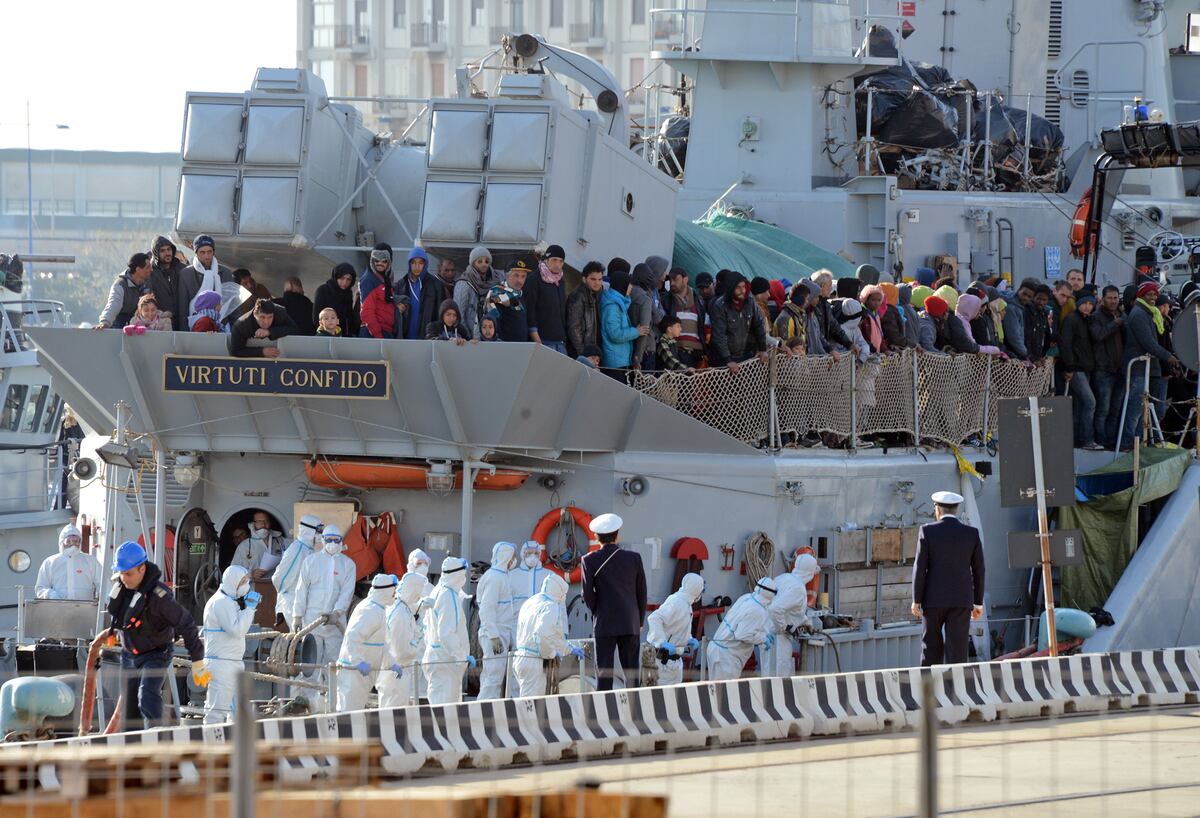
The capsizing of a vessel carrying hundreds of Rohingya refugees in the Andaman Sea is not an isolated maritime accident but the predictable output of a broken migration ecosystem. This crisis functions through a specific cost-benefit incentive structure where the risk of catastrophic hull failure is discounted against the absolute lack of legal transit corridors. To understand why these mass casualty events persist, one must analyze the intersection of regional non-refoulement violations, the economics of human smuggling, and the structural limitations of the Bali Process.
The Structural Drivers of Maritime Mortality
The recurring nature of these disasters is governed by three specific variables: the push factor of deteriorating security in Cox’s Bazar, the pull factor of labor demands in Southeast Asia, and the logistical bottleneck created by seasonal weather windows.
- The Deterioration of the Status Quo: The refugee camps in Bangladesh have reached a state of terminal entropy. Increased gang violence and the reduction of World Food Programme rations create a survival deficit. When the cost of staying (physical insecurity and malnutrition) exceeds the risk of transit (a high probability of maritime distress), rational actors choose the sea.
- The Monsoon Constraint: Migration patterns in the Bay of Bengal are dictated by the meteorological cycle. The window between November and March offers the only viable sailing conditions. This creates a surge in departures that overwhelms the limited search-and-rescue (SAR) assets in the region, turning the Andaman Sea into a high-density, low-oversight transit zone.
- The Information Asymmetry: Smuggling networks operate on a high-margin, low-asset-risk model. The vessels used are typically aging wooden trawlers not designed for blue-water navigation. Passengers lack the technical data to assess the seaworthiness of these crafts, relying instead on the promises of "tekis" (brokers) who prioritize volume over safety to maximize the revenue per voyage.
The Anatomy of a Sinking: The Mechanics of Failure
When the UN reports "hundreds missing," it is describing the result of a specific mechanical and physics-based failure. These vessels are frequently overloaded by 300% to 400% of their rated capacity. This raises the center of gravity and reduces the freeboard—the distance from the waterline to the upper deck.
In the open sea, even moderate swells cause significant "free surface effect," where water entering the hull shifts rapidly, creating a destabilizing momentum that the vessel cannot recover from. Once the engine fails—often due to contaminated fuel or cooling system clogs—the boat loses steerage and broadsides the waves, leading to an immediate capsize. The "missing" status of the passengers is a function of the lack of life-saving equipment (PFDs) and the immense distance from specialized SAR hubs like those in Singapore or Perth.
The Regional Policy Vacuum and the Push-Back Doctrine
The failure of the 2016 Bali Declaration on People Smuggling, Trafficking in Persons and Related Transnational Crime is central to the current mortality rate. While the framework exists on paper, the operational reality is defined by "Point Zero" interventions.
The Standard Operating Procedure of Non-Assistance
Coastal states often employ a "push-back" or "help on" policy. Rather than disembarking survivors, navies provide minimal food, water, and fuel before towing the vessel back into international waters. This creates a legal gray zone that violates the 1982 United Nations Convention on the Law of the Sea (UNCLOS), which mandates that masters of ships provide assistance to those in distress at sea.
The friction in this system arises from a perceived "pull factor" argument. Regional governments hypothesize that successful disembarkation encourages further departures. However, empirical data suggests that the "push factors" in Myanmar and Bangladesh are so acute that maritime mortality rates do not significantly deter future attempts. The result is a policy of attrition that increases the death toll without reducing the volume of migration.
The Economic Model of Human Smuggling
Human smuggling in the Andaman Sea is a decentralized, high-yield industry. Unlike the Mediterranean routes, which involve complex multi-stage logistics, the Bay of Bengal route is relatively direct but relies on a "pay-as-you-go" extortion model.
- Upfront Capital: Passengers pay an initial fee for transport, which covers the cost of the depreciated vessel and basic provisions.
- Transit Extortion: In many cases, vessels are held at sea as floating "warehouses" while smugglers contact families in the diaspora to demand secondary payments for the final leg of the journey.
- The Discardable Asset Strategy: Smugglers frequently abandon the vessels when intercepted by authorities, leaving the passengers without a crew. The loss of the boat is factored into the business model as a sunk cost, often recouped within a single successful voyage.
The Jurisdictional Deadlock
The primary obstacle to a coordinated response is the lack of a regional disembarkation mechanism. Indonesia, Malaysia, and Thailand are not signatories to the 1951 Refugee Convention. Consequently, they view the arrival of Rohingya vessels through the lens of national security and border control rather than humanitarian protection.
This lack of legal standing prevents the United Nations High Commissioner for Refugees (UNHCR) from establishing predictable processing centers. Without a "Place of Safety" agreement, SAR operations are delayed by diplomatic negotiations while the distressed vessel continues to take on water. The delay between the initial sighting and the authorization for docking is the primary window for mass casualty events.
Strategic Realignment of the Regional Response
Addressing the mortality rate in the Andaman Sea requires moving beyond reactive humanitarianism and toward a structural intervention in the migration market.
First, the establishment of a regional Search and Rescue Coordination Centre (RCC) dedicated to the Bay of Bengal is necessary. This entity must have the authority to bypass bilateral diplomatic negotiations during active distress events. The cost of maintaining a standing maritime patrol is high, but it is the only mechanism that addresses the physics of the problem: boats are sinking because they are unseaworthy, and people are dying because the response time exceeds the survival window in open water.
Second, the "push-back" doctrine must be replaced with a regulated transit model. If regional powers refuse to accept permanent resettlement, they must at least facilitate "safe passage" processing centers where the UNHCR can conduct status determinations. This removes the "warehouse" extortion phase used by smugglers, effectively devaluing their business model.
Finally, the international community must address the funding shortfall for the Joint Response Plan (JRP) in Bangladesh. The direct correlation between ration cuts and maritime departures is undeniable. Reinstating full caloric support is a more cost-effective method of preventing maritime disasters than any naval blockade or border wall.
The current trajectory indicates that without a shift from ad-hoc "mercy" missions to a codified, regional disembarkation protocol, the Andaman Sea will remain a zone of predictable, high-volume mortality. The logic of the sea is unforgiving; the logic of the policy must change to compensate.