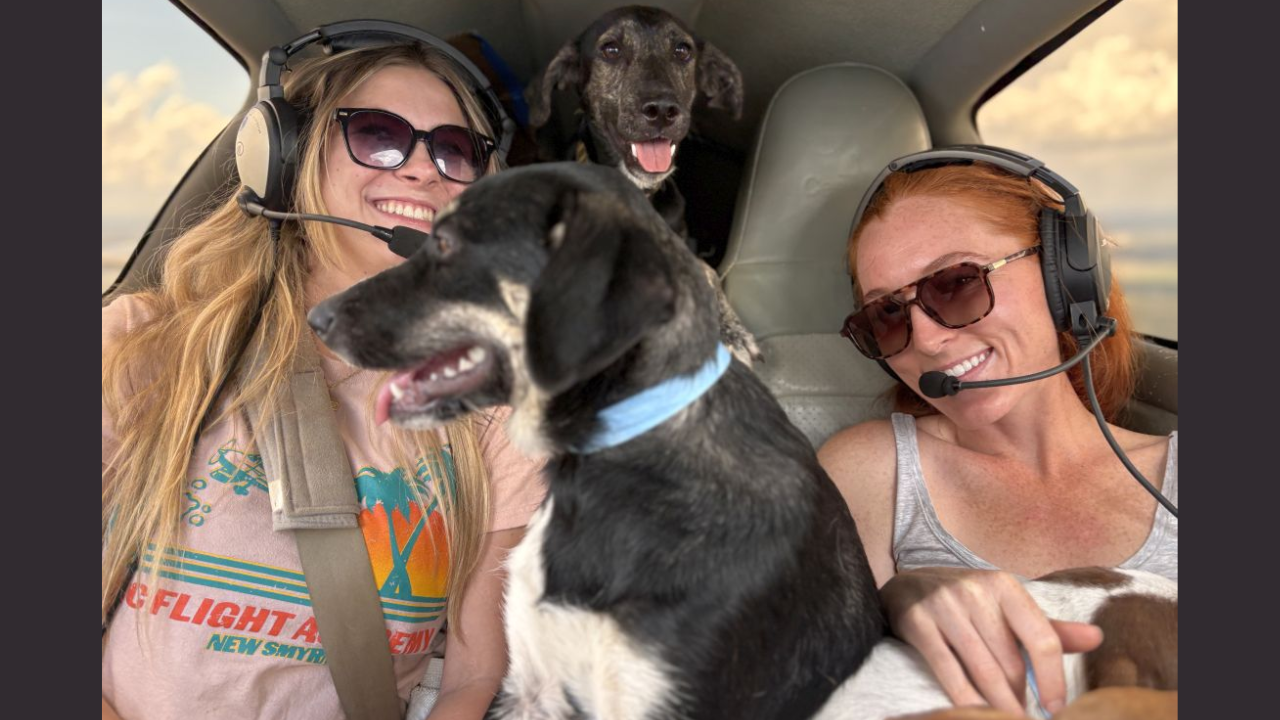
We love a good aviation hero story. A Cessna loaded with yipping puppies taking off into the golden hour to escape overcrowded municipal pounds hits every emotional chord in the book. Since volunteer pilot networks formalized this transit model around 2010, millions of dollars and thousands of volunteer hours have gone into flying dogs and cats from high-intake southern shelters to quiet northern adopters. It feels good. It looks incredible on local news broadcasts.
It is also an expensive, highly inefficient emotional bandaid that actively insulates broken local governments from doing their actual jobs. In other updates, we also covered: Why Washington Is Lying To You About Moving Military Aid To Latin America.
I have spent years watching non-profit logistics fail because we prefer romantic mobilization over boring accountability. We romanticize the airborne rescue while ignoring the municipal policy failures happening on the ground.
The Logistics Fallacy
Let us look at the unit economics of a volunteer flight. You take a four-seat single-engine aircraft, burn fossil fuel at fifty gallons an hour, tie up a pilot with commercial or private ratings, absorb significant insurance and maintenance costs, and move perhaps six to ten medium-sized dogs across state lines. TIME has also covered this fascinating issue in great detail.
Multiply that by thousands of flights over the last decade and you realize a staggering amount of capital is spent on fuel and flight hours rather than structural solutions. That money moves animals across geographical arbitrary lines instead of funding the root cause: mandatory spay and neuter enforcement, local low-cost veterinary access, and open-admission shelter reform in the municipalities generating the surplus.
When you subsidize the export of a city's stray population through private aviation, you remove the financial and political friction that forces local politicians to fix their broken animal control systems. Why fund a municipal sterilization program when generous pilots will fly the overflow out of state every weekend? You have created a moral hazard in animal welfare.
The Stress Multiplier
People assume a flight is a quick fix. Put a dog in a crate, land two hours later, hand them to a rescue group.
In reality, transportation is an acute stress event. Animals pulled from high-stress shelter environments are already dealing with elevated cortisol levels, compromised immune systems, and potential exposure to kennel cough or canine influenza. Shove them into an unpressurized, loud cabin with cargo vibration, fluctuating cabin temperatures, and unfamiliar smells, and you compound their physiological distress.
We convince ourselves that trading a euthanasia list for a two-hour prop flight is an unmitigated win. But behaviorists and experienced shelter directors know that long-distance transit often results in reactive behaviors upon arrival. We are frequently trading immediate physical survival for downstream behavioral rehabilitation challenges that adopters are entirely unequipped to handle.
Fixing the Pipeline Instead of Polishing the Propellers
The standard defense of volunteer animal transport is that northern adopters want pets, and southern shelters have too many. Supply meets demand. Simple economics.
Except it is not simple economics when the supply chain is heavily subsidized by volunteer charity work masking a policy failure. If local counties in states like Florida or Texas faced the true cost of housing, feeding, and euthanizing unsterilized populations without the safety valve of volunteer aviation networks, voter pressure would force local municipal councils to mandate spay-neuter laws and reform intake policies within eighteen months.
Instead, the pressure valve works too well. The planes keep flying. The intake numbers stay high. The cycle repeats.
If you want to help animals, stop donating your weekend fuel budget to fly dogs three states away. Invest that capital into local spay and neuter clinics in the counties with the highest intake rates. Put the pressure where the problem lives.
Stop funding the symptom. Fix the source.