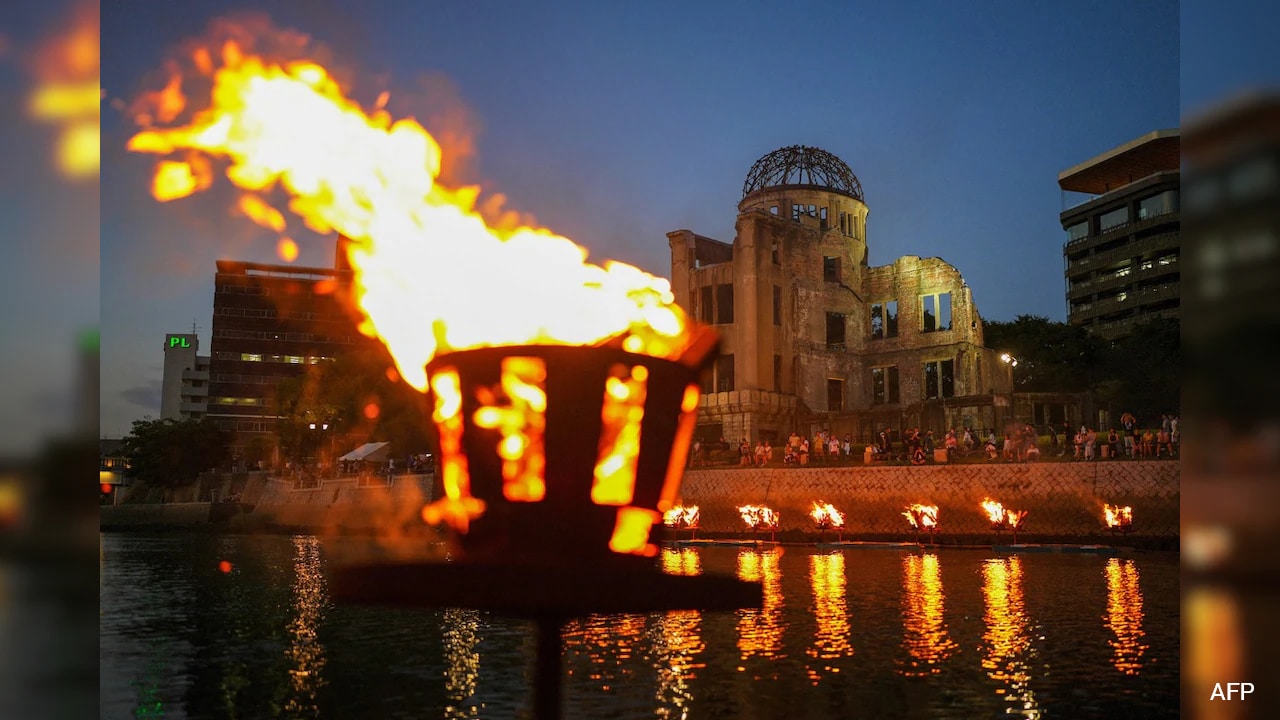
Every August, the global ritual repeats with clockwork precision. Dignitaries gather, solemn speeches echo through peace parks, editorial boards publish predictable pieces about the horrors of atomic warfare, and politicians issue sweeping calls to rid the earth of nuclear arsenals. The lazy consensus is simple: atomic weapons are an ancient evil, disarmament is the only moral path, and if we just muster enough political will, humanity will beat swords into plowshares.
This is comforting theater. It is also entirely divorced from how global power actually operates.
For decades, I have watched security analysts, diplomats, and think-tank strategists dance around the central, uncomfortable truth of modern geopolitics. The ritualized mourning in Hiroshima ignores the foundational paradox that has kept major powers from engaging in direct, total war for nearly eighty years. Mutually Assured Destruction is grim, cynical, and terrifying. It is also the single most effective deterrent in human history.
Pretending we can uninvent the atom or legislate away geopolitical friction through annual resolutions is worse than useless. It is a dangerous distraction from the actual mechanics of global stability.
The Flawed Logic of Moral Disarmament
The core argument driving anti-nuclear advocacy assumes that weapons cause wars. History tells us the exact opposite. Weapons are symptoms of conflict, not the root cause. Removing the arsenal while leaving the underlying territorial, economic, and ideological ambitions of rival superpowers untouched is like taking the bullets out of a loaded gun while leaving two hostile combatants in a locked room. They will simply pick up knives.
Consider the structural reality of the international system. Anarchy rules relations between sovereign states. There is no world police force with a monopoly on violence. In the absence of a global sovereign, states rely on self-help. During the Cold War, the United States and the Soviet Union proxy-fought across the globe, but they never clashed directly on the plains of Europe. Why? Because the cost of miscalculation was absolute annihilation.
Peace was not maintained by goodwill, international treaties, or moral enlightenment. It was maintained by terror.
When activists demand unilateral or rapid multilateral disarmament without addressing the security dilemmas that made nations build these weapons in the first place, they are proposing a system that is inherently unstable. History shows that power vacuums invite aggression. A disarmed world dominated by authoritarian revisionist powers would not be a peaceful utopia. It would be a playground for conventional conquest on a scale not seen since 1945.
The Deterrence Paradox Everyone Ignores
Let us look at the data that the standard narrative sweeps under the rug. Since the advent of nuclear weapons, great power conflict—wars between the world's most powerful economies and militaries—has plummeted to zero. Conventional conflicts between major powers were a recurring, devastating feature of the nineteenth and twentieth centuries, claiming tens of millions of lives every generation.
The long peace we currently enjoy is an anomaly, and the nuclear umbrella is its primary pillar.
Of course, this approach has profound downsides. Living under a nuclear sword of Damocles introduces perpetual systemic anxiety. The risk of accidental escalation, misinterpretation of early-warning data, or a rogue actor gaining control of launch codes is a terrifying reality. I have seen military planners sweat through simulations where a single flawed radar blip nearly triggered catastrophe. The margins for error are razor-thin.
Yet acknowledging these operational risks is very different from pretending that the technology can simply be wished away. The physics cannot be forgotten. Any nation with a robust civilian industrial base and advanced aerospace capabilities can reconstitute a nuclear deterrent within years if forced. The secret is out of the bag.
Moving Past the Theater of Peace
If we want to reduce the actual risk of nuclear catastrophe, we have to stop focusing on the physical existence of the warheads and start focusing on the friction points between the states that hold them.
First, we must abandon the fantasy of total global zero in the near term. As long as adversarial regimes possess conflicting core interests, nuclear weapons will remain the ultimate insurance policy against regime change and invasion. Look at what happened to nations that gave up their unconventional programs under diplomatic pressure, versus those that kept them. The lesson sovereign states take away from those geopolitical case studies is not an incentive for peace; it is an incentive for proliferation.
Second, modernization and strategic stability dialogues must replace moralizing rhetoric. Arms control treaties are useful, not because they eliminate weapons, but because they establish verification frameworks, communication channels, and predictability between rivals. During periods of heightened tension, direct lines of communication and transparent posture management are worth more than a thousand empty declarations signed in city squares.
The annual commemoration at Hiroshima serves a vital human purpose in remembering the victims of a horrific escalation. But when it morphs into a policy framework based on magical thinking, it actively hinders realistic risk reduction.
We do not need more emotional appeals to a disarmed future that ignores the brutal realities of human competition. We need rigorous management of the present.
Stop waiting for the world to change its nature. Learn to manage the terrifying world we actually inhabit.