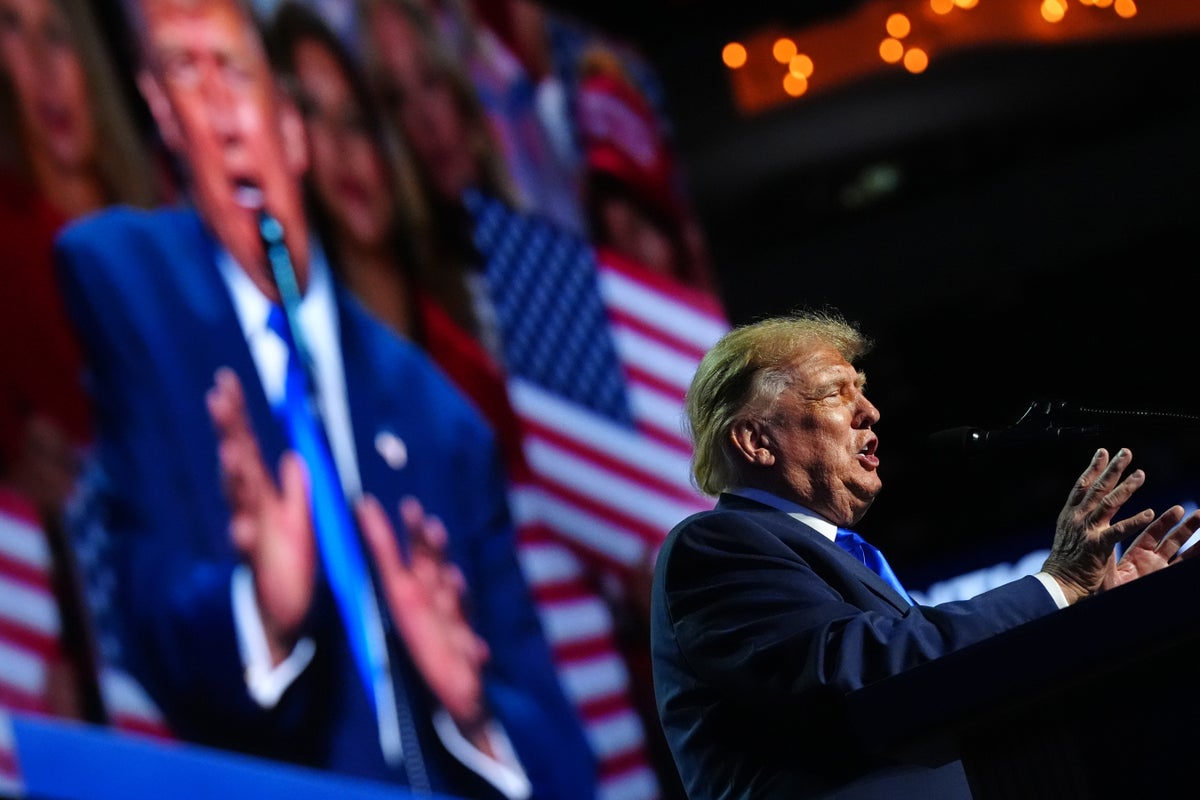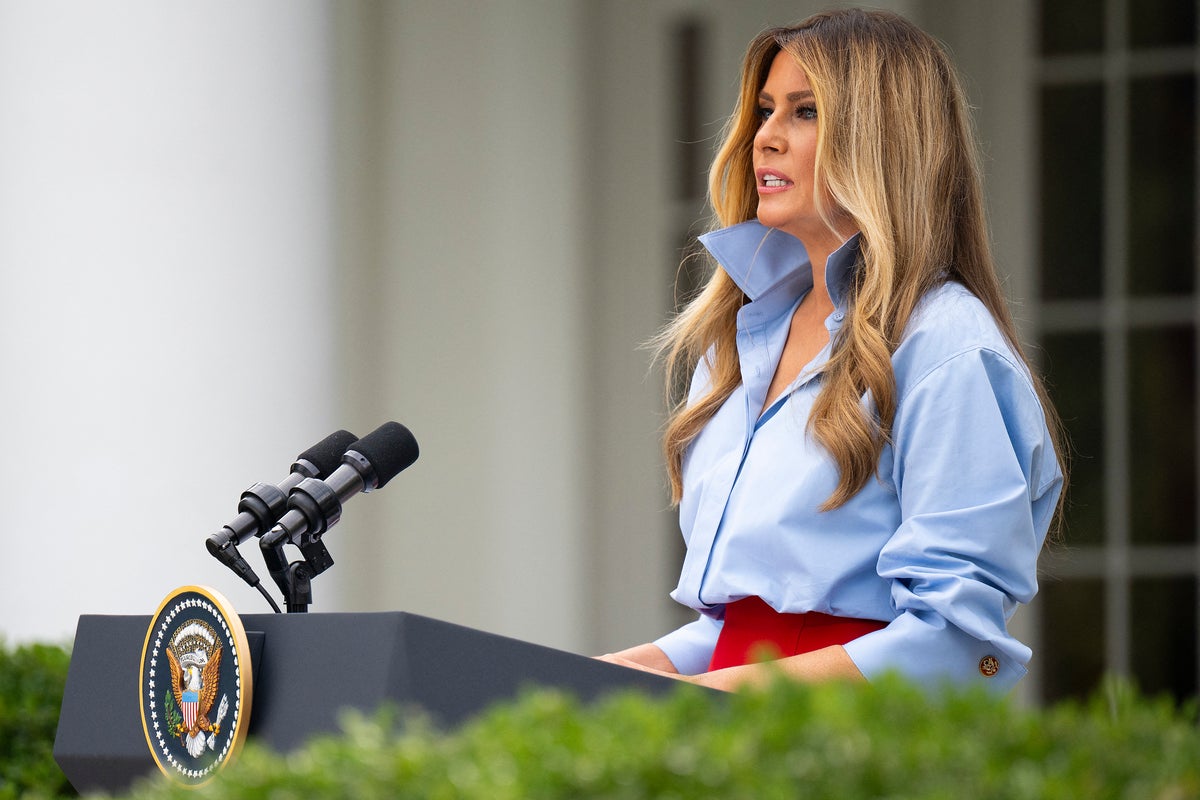
Political communication relies heavily on message alignment, spatial control, and brand differentiation. When the leadership of a political enterprise splits its physical presence across competing events, observers frequently misinterpret the move as mere interpersonal friction. A rigorous examination of the divergence between high-profile partisan rallies and institutional preservation events reveals a sophisticated exercise in portfolio management. The decision by a political figurehead to prioritize architectural curation over campaign mobilization exposes distinct operational strategies targeting entirely separate market segments.
Understanding this dynamic requires analyzing the mechanics of political messaging allocation. Political campaigns operate under strict resource constraints, where time, media airtime, and spatial positioning dictate audience capture. For an alternative look, consider: this related article.
The Dual Track Strategy
Campaign rallies and institutional summits serve opposing functions within a broader political portfolio. Rallies are high-variance, high-energy interventions designed to mobilize an existing base through emotional resonance and immediate grievance. They rely on transient environments, temporary stages, and rapid-fire rhetorical escalation. Similar insight on the subject has been published by USA Today.
Institutional curation events operate on an entirely different temporal and spatial scale. Addressing an assembly of preservationists or historical association leaders anchors a principal to physical permanence, institutional longevity, and statecraft. By choosing a podium in the White House Rose Garden to discuss architectural preservation rather than traveling to a partisan midterm convention in Dallas, the subject executed a classic portfolio diversification maneuver.
The Mechanics of Spatial Signaling
Physical environments act as non-verbal proxies for policy competence. Every material modification to a state building—whether historical restoration or new construction—functions as an asset reallocation project that communicates values to distinct demographics.
Asset Permanence Versus Partisan Transience
- Partisan conventions focus on electoral cycles, offering short-term spikes in base engagement while alienating institutional moderates.
- Architectural preservation projects emphasize multi-generational durability, signaling stewardship, respect for tradition, and administrative continuity.
- Media framing splits accordingly: campaign venues generate polarized coverage, whereas heritage summits attract niche, high-trust cultural audiences.
This division allows a political brand to hedge its exposure. While the primary campaign asset absorbs the volatility of midterm political headwinds and shifting approval ratings, the secondary asset projects stability, apolitical duty, and aesthetic control.
The Opportunity Cost of Disalignment
Critics often frame decentralized scheduling as a failure of message discipline. From an analytical perspective, however, total message synchronization can create a concentration risk. If a single political brand relies entirely on raw partisan mobilization, it surrenders access to independent voters who value institutional decorum over ideological theater.
The choice to remain in Washington during a critical party gathering demonstrates an understanding of audience segmentation. Voters who prioritize historical heritage, historic preservation, and aesthetic continuity are rarely won over by convention-floor rhetoric. Conversely, base voters attending regional rallies typically place little value on architectural restoration details. By maintaining separate tracks, the political entity avoids cross-contamination of messages, ensuring that each distinct demographic receives a tailored value proposition.
Resource Allocation and Brand Equity
Evaluating the return on investment for public appearances requires measuring audience capture against reputational risk. Major political conventions carry high downside exposure during legislative cycles marked by legislative resistance or tight congressional margins. By opting out of a high-friction partisan environment, a principal preserves brand equity, avoiding forced association with contentious legislative battles or localized electoral friction.
Instead, capital is invested in soft-power projection through the White House Historical Association. This preserves the illusion of an above-the-frrey administrative stance, shifting the public discourse from daily electoral survival to long-term national identity. The focus shifts from the immediate mechanics of winning a legislative majority to the permanent iconography of executive power.
Future political positioning will increasingly rely on this type of strategic bifurcation. As electoral environments grow more volatile, principals who successfully decouple their personal brand from immediate partisan outcomes will retain higher structural resilience than those tethered exclusively to party machinery. Physical space and architectural staging will remain primary instruments for signaling independence, permanence, and control in an otherwise unstable political marketplace.
Melania Refuses To Show: Trump's Midterm Convention Collapses
This video provides additional context on the political implications and media reactions surrounding the convention boycott and leadership scheduling conflicts.
http://googleusercontent.com/youtube_content/1