The Blue Light in the Dark
Midnight. The bedroom is silent except for the rhythmic, low-frequency hum of a refrigerator down the hall. On the nightstand, a rectangle of glass flares to life. A notification pulse. One hundred percent brightness cuts through the dark, reflecting in the dilated pupils of a thirteen-year-old girl sitting cross-legged under her duvet.
She does not know it, but she is inside a machine built by some of the sharpest behavioral psychologists and data engineers alive.
Every swipe downward is a pull on a slot machine handle. There are no spinning cherries, no clinking coins. The payout is far more valuable. It is a shot of validation. A sliver of intermittent reinforcement. A calculated micro-dose of dopamine designed to bypass the prefrontal cortex and speak directly to a developing nervous system that is desperate to belong. She scrolls. Minutes bleed into hours. The world outside her window sleeps, but the algorithm is wide awake. It never blinks. It never gets tired. It learns her fears, tracks her insecurities, and feeds her a curated mirror of an impossible reality until the grey light of dawn begins to leak through the blinds.
We built an extraordinary digital world, promising connection, and instead, we engineered a silent crisis.
For years, the conversation around big technology companies and the digital spaces they curate has been framed in the antiseptic language of corporate compliance, terms of service, and benign innovation. We were told these platforms were neutral windows. We were told that users had a choice. But behind the glossy interfaces and friendly branding lies a different architectural reality. These systems were optimized for one overriding metric: attention duration. And attention, as it turns out, is most effectively captured by activating our most primal evolutionary vulnerabilities: outrage, social comparison, and fear.
Now, the ledger is beginning to balance.
The Anatomy of a Legal Earthquake
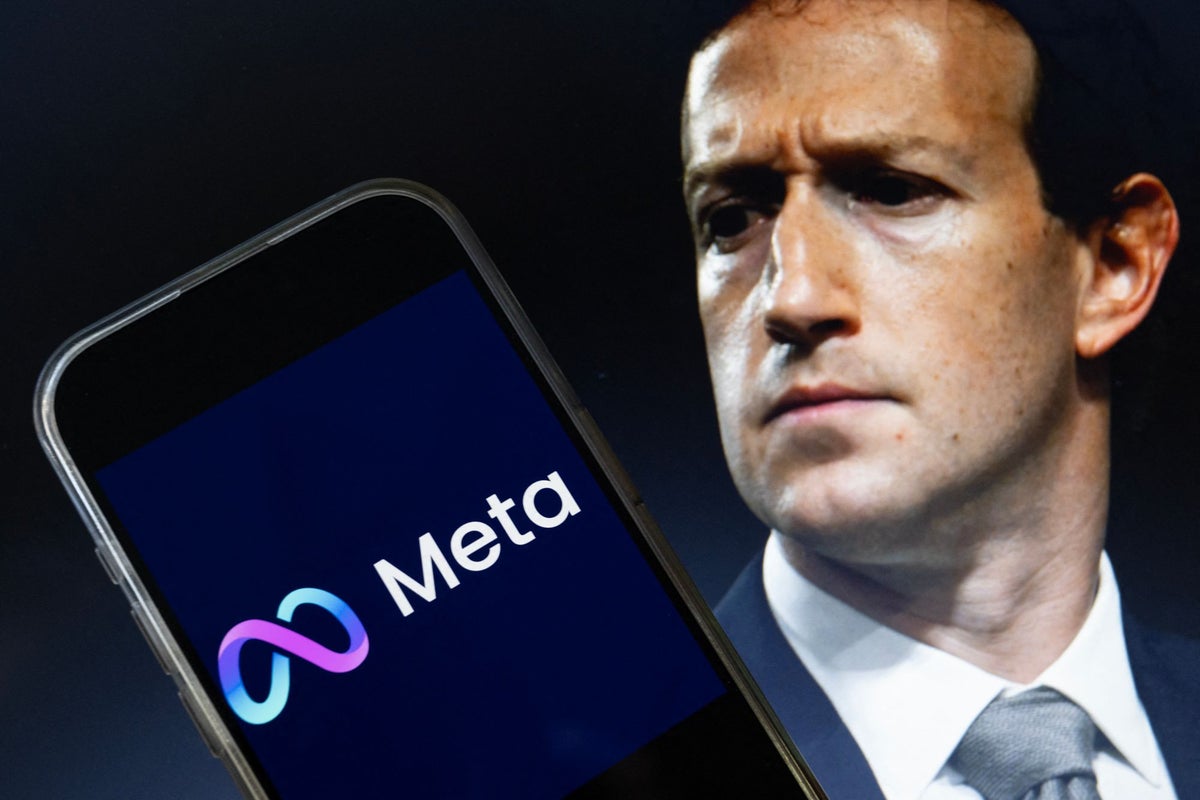
When New Mexico’s Attorney General secured a historic nine-hundred-million-dollar court victory against Meta, the shockwaves rattled corporate boardrooms from Menlo Park to Manhattan.
This was not merely a regulatory fine. It was a crack in the foundation of digital immunity. For decades, tech giants hid behind statutory shields like Section 230, arguing that they were mere conduits for third-party content, washing their hands of the psychological carnage unfolding on their apps. But the New Mexico case cut straight through the legal fog. It targeted the design itself.
Consider what happens when liability shifts from what users post to how the platform is built.
Imagine walking into a casino where the slot machines are specifically calibrated to exploit the neurological vulnerabilities of children, complete with flashing lights designed to induce hypnotic states. We would not shrug and say the players chose to pull the lever. We would shut the doors. Yet, for over a decade, we treated digital platforms as untouchable utilities, immune to the basic consumer protection standards applied to every other industry on earth.
The legal victory changed the vocabulary. It forced a reckoning with the invisible mechanics of engagement. Infinite scroll, read receipts, algorithmic amplification, push notifications timed to exploit emotional dips—these are not accidental features. They are load-bearing pillars of an economic model that monetizes human attention at scale.
And the cost has been paid in real currency. Not dollars, but well-being.
Inside the Quiet Epidemic
To understand the weight of this legal battle, look away from the courtroom and into the typical American middle school.
Talk to any educator. They will tell you about a profound, generational shift in the classroom. It is not just about declining test scores or shortened attention spans. It is an ambient, chronic erosion of baseline mental health. Anxiety rates among adolescents have spiked upward in a vertical trajectory that mirrors the widespread adoption of smartphones and high-speed mobile feeds.
We are watching a generation grow up under the constant, microscopic scrutiny of a digital peer group.
A hypothetical teenager named Leo posts a photo. For the first twenty minutes, silence. His stomach twists into a knot. The silence feels like rejection, magnified a thousand times. When the likes finally trickle in, the relief is fleeting, immediately replaced by the pressure to maintain the metric. The platform has successfully tied his developing sense of self-worth to an algorithmic score.
This is not a failure of willpower. It is a structural trap.
We expect children to possess the emotional regulation and cognitive maturity to resist systems designed by teams of PhD-level neuroscientists whose explicit job is to maximize time-on-device. That is an unfair fight. It is like putting a novice chess player across the board from a supercomputer and blaming the human for losing.
The New Mexico litigation brought this David-and-Goliath dynamic into stark relief. It demonstrated that state enforcers, armed with consumer protection laws and unyielding resolve, can pierce the impenetrable corporate veil.
The New Frontier of Accountability
Following this monumental court victory, the legislative push for new social media safety laws has transformed from a quiet murmur into a roaring legislative wave.
Lawmakers are no longer asking tech executives politely to consider voluntary safety guidelines. They are drafting mandates. Age-verification protocols, restrictions on addictive algorithmic feeds for minors, defaults that turn off late-night notifications, and absolute bans on predatory data harvesting from children are moving from theoretical policy papers into actual statutory text.
Of course, the tech industry pushes back. The rhetoric from Silicon Valley is predictable. They warn of innovation stifled, privacy compromised by age checks, and the free flow of information choked off by government overreach.
Look closer at those arguments.
When an industry whose entire business model relies on behavioral manipulation starts lecturing society about privacy and freedom, caution is required. Protecting privacy does not mean allowing platforms to harvest the psychological profiles of twelve-year-olds to sell targeted ads. Protecting free expression does not require algorithmic feeds designed to radicalize teenagers through toxic rabbit holes of engagement bait.
The distinction is clear. We are separating the freedom to communicate from the freedom to exploit.
The Cost of Inaction
We stand at a rare historical crossroads.
Every major technological revolution exacts a toll before society learns how to govern it. The Industrial Revolution brought smog, child labor, and unsafe machinery before labor laws and environmental standards forced factories to clean up their act. The automotive era brought skyrocketing traffic fatalities before seatbelts, airbags, and speed limits became non-negotiable norms.
Digital technology is no different.
The Wild West era of the internet is drawing to a close. The nine-hundred-million-dollar judgment was not the end of the story; it was the opening salvo. It proved that the architects of these digital environments are accountable for the physical and psychological toll of their designs.
Parents feel it. Teachers see it. Children live it.
The blue light still flares in the dark bedrooms across the country. The notifications still pulse. But the illusion of corporate invincibility has cracked.
As new safety laws take shape and courts continue to scrutinize the mechanics of addiction, the digital landscape is being forced to grow up. The algorithms that profit from our insecurities are finally meeting their match in the unyielding friction of the law.
The screen remains in our hands, but the rules of the game are changing forever.