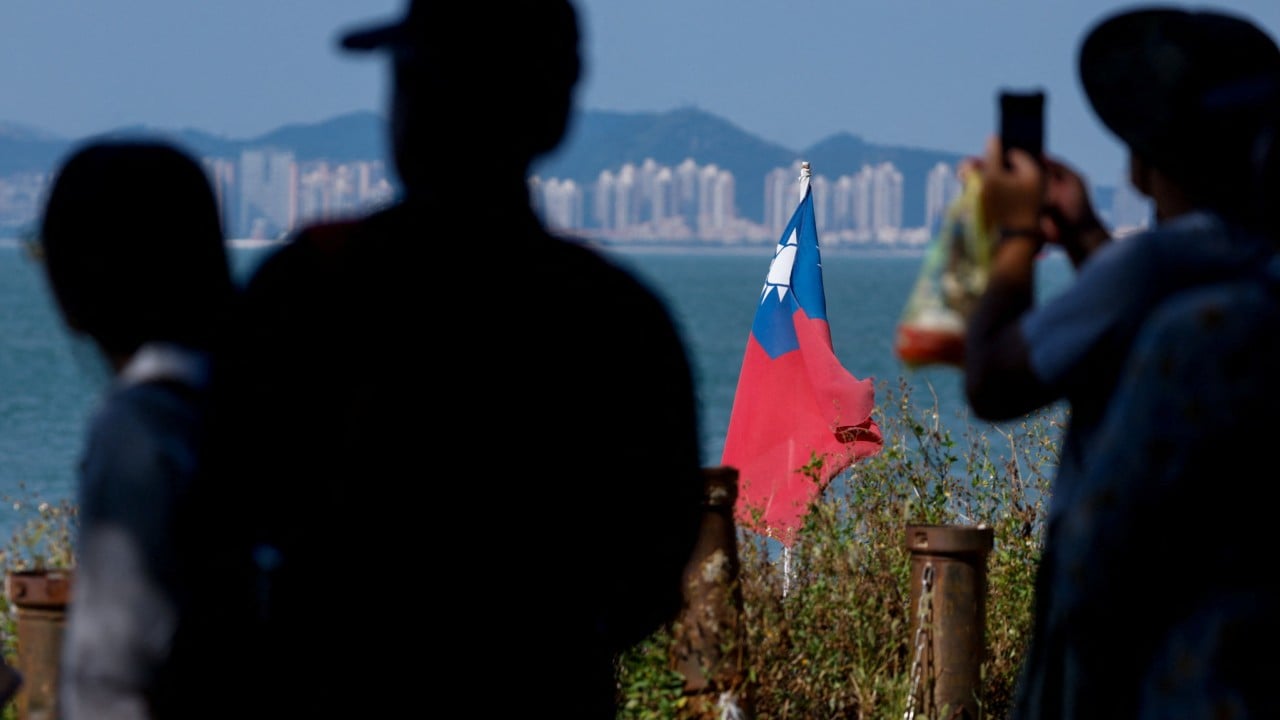
Cross-strait statecraft has entered a phase of asymmetric friction where geographical distance is superseded by bureaucratic boundaries. The 18th Straits Forum in Xiamen, Fujian Province, reveals a fundamental divergence in strategic intent: Beijing is deploying a localized, granular integration model designed to bypass the sovereign state apparatus of Taipei, while the Lai Ching-te administration is expanding statutory containment mechanisms to preserve the administrative integrity of its civil service. The clash is no longer about formal diplomatic overtures; it is an optimization race between Beijing’s institutionalized "United Front" outreach and Taipei’s domestic legislative defenses.
Understanding this dynamic requires abandoning the vague narrative of "worsening cross-strait ties" and analyzing the specific structural mechanisms at play.
The Tripartite Structural Model of the Straits Forum
Beijing's operational model for the Straits Forum does not rely on state-to-state negotiation, which has been deadlocked since 2016. Instead, it functions as a decentralized, multi-tiered influence vector designed to maximize touchpoints with Taiwanese civic society. The 58 planned activities for the 18th iteration segment into three precise tactical pillars.
                  ┌─────────────────────────────────────────┐
                  │      BEIJING'S UNIFIED FRONT ENGINE     │
                  └────────────────────┬────────────────────┘
                                       │
         ┌─────────────────────────────┼─────────────────────────────┐
         ▼                             ▼                             ▼
┌──────────────────┐          ┌──────────────────┐          ┌──────────────────┐
│ Sub-State Public │          │ Asymmetric Economic │       │ Socio-Cultural   │
│    Officials     │          │    Incentives    │          │ Micro-Targeting  │
└────────┬─────────┘          └────────┬─────────┘          └────────┬─────────┘
         │                             │                             │
         ▼                             ▼                             ▼
   Direct local                   Fujian Pilot                  Sub-political
  administrative                  Zone and local                 civil society
   cooperation                  industry standard                 integration
                                   alignment
Sub-State Public Officials
The primary target of political capture is the local government tier. By inviting county magistrates and municipal officials—primarily from the opposition Kuomintang (KMT)—Beijing establishes parallel policy alignment pipelines. This seeks to decouple municipal economic survival from Taipei’s central national security mandates, forcing localized cross-strait dependencies in agriculture, tourism, and infrastructure.
Asymmetric Economic Incentives
The economic component leverages the Fujian Integrated Development Pilot Zone framework. Rather than proposing broad macro-trade agreements, the mechanism targets specific sectoral interests: agricultural co-operatives, fisheries, and small-to-medium enterprises (SMEs). By offering direct market access, regulatory fast-tracking within Fujian, and localized capital subsidies, Beijing minimizes the friction of compliance for Taiwanese businesses while embedding them into mainland supply chains.
Socio-Cultural Micro-Targeting
The lowest-altitude tier focuses on youth, labor unions, religious organizations, and women's groups. These programs are explicitly insulated from high-level geopolitical rhetoric. They operate through cultural preservation themes (e.g., folk religion deity veneration) and technological integration (e.g., digital content creation, cross-strait e-commerce training). The strategic objective is to create micro-networks of affinity that dilute the efficacy of defensive national narratives in Taiwan.
The Containment Bottleneck: Taipei's Legislative Defense
The Lai administration’s escalation—transforming last year’s advisory warnings into an outright prohibition against local government officials attending—is an attempt to close a significant national security vulnerability. This administrative maneuver exposes a friction point between executive intent and statutory limitations within Taiwan's current legal framework.
The executive logic operates on a strict defensive mandate: if local public officials participate in a platform officially designated by the Mainland Affairs Council (MAC) as a Chinese Communist Party (CCP) infiltration mechanism, it legitimizes sub-state integration. However, executing this total ban encounters immediate bottlenecks within the Act Governing Relations between the People of the Taiwan Area and the Mainland Area (The Cross-Strait Act).
The legal enforcement mechanism contains structural vulnerabilities:
- Article 9 Jurisdictional Limits: High-ranking elected officials (city mayors, county magistrates) and personnel handling national security data are legally bound to undergo central review by a joint committee composed of the Ministry of the Interior and the MAC. The state can simply deny travel authorization here, as it did with Taitung County Magistrate Yao Ching-ling.
- The Grade 10 Enforcement Blindspot: Under current statutory guidelines, lower-ranking civil servants (Grade 10 Selected Appointment Rank and below) and standard law enforcement personnel whose portfolios do not intersect with national security are exempt from central review. They require only internal clearance from their immediate local agency.
- The Party Politics Loophole: The state's administrative prohibition cannot easily extend to non-governmental political actors without infringing upon fundamental constitutional rights. Consequently, KMT Vice Chairman Chang Jung-kung can lead an entire party delegation to Xiamen. This creates an asymmetric landscape where political parties can maintain structural dialogue with Beijing while the formal state apparatus is completely sidelined.
The second limitation of this defensive posture is political cost allocation. By blocking local leaders from negotiating municipal interests—such as agricultural export quotas to the mainland—the central government assumes the domestic political blame for subsequent local economic stagnation. Beijing exploits this dynamic to weaponize domestic polarization inside Taiwan.
The Strategic Play
Beijing will maintain the structural continuity of the Straits Forum, using high-profile addresses from senior figures like Wang Huning to project an image of inevitability regarding cross-strait integration. The focus will tilt heavily toward non-governmental and youth actors to neutralize the state-level ban.
For corporate strategists, supply chain managers, and geopolitical analysts tracking this theater, the critical indicators of shifting risk are not found in the official speeches at Xiamen, but in the structural counters executed by Taipei over the fiscal year:
- Statutory Amendments to the Cross-Strait Act: Monitor whether the Lai administration attempts to pass amendments in the Legislative Yuan to close the Grade 10 loophole, stripping local agencies of autonomous travel approval authority.
- SME Diversification Subsidies: Track whether Taipei can deploy countervailing domestic subsidies or alternative trade access to insulate local agricultural and industrial sectors that face immediate revenue shocks from declining cross-strait integration.
- Regulatory Audits on Sub-Political Exchanges: Watch for increased judicial and tax scrutiny on local religious and youth organizations that maintain financial or administrative ties with mainland entities following the forum.
The operational reality is that Beijing has shifted from a macro-political unification strategy to a micro-political administrative integration strategy. Taipei's defense requires transforming its legal architecture from a passive national security filter into an active administrative block, a process that will inevitably test the limits of its domestic legal system and political cohesion.