The lazy consensus treats the arrest of six Ukrainian nationals and an American operative near the India-Myanmar border as a localized administrative hiccup or a curious geopolitical footnote. Commentators nod sagely, blaming porous borders and rogue contractors, while treating the incident as an isolated blip disconnected from larger global conflicts.
That perspective is dangerously naive.
When the National Investigation Agency intercepted these foreign nationals, they did not stumble upon lost tourists or errant aid workers. They caught an active, privatized node of modern asymmetric warfare operating with impunity across South Asia's most sensitive frontiers. The conventional framing misses the underlying reality: the commercialization and export of battlefield drone expertise have transformed any fringe conflict zone into an open market for freelance paramilitarism.
To understand why this matters, look past the diplomatic hand-wringing. The arrests—involving individuals tied to a network led by American figure Matthew Van Dyke—highlight an unregulated proliferation of tactical warfare instruction. These operatives were not running a weekend hobbyist club; investigators tied elements of this cell to advanced FPV drone operations, including attacks on civilian aviation infrastructure in Myanmar.
The conventional narrative asks whether India's security agencies overreacted or if diplomatic ties with Kyiv will fray. That is the wrong question entirely. The real issue is how easily modern combat technologies bypass state controls to find a home in decentralized insurgencies, using India's northeast as a convenient clandestine corridor.
The Geography of Neglect
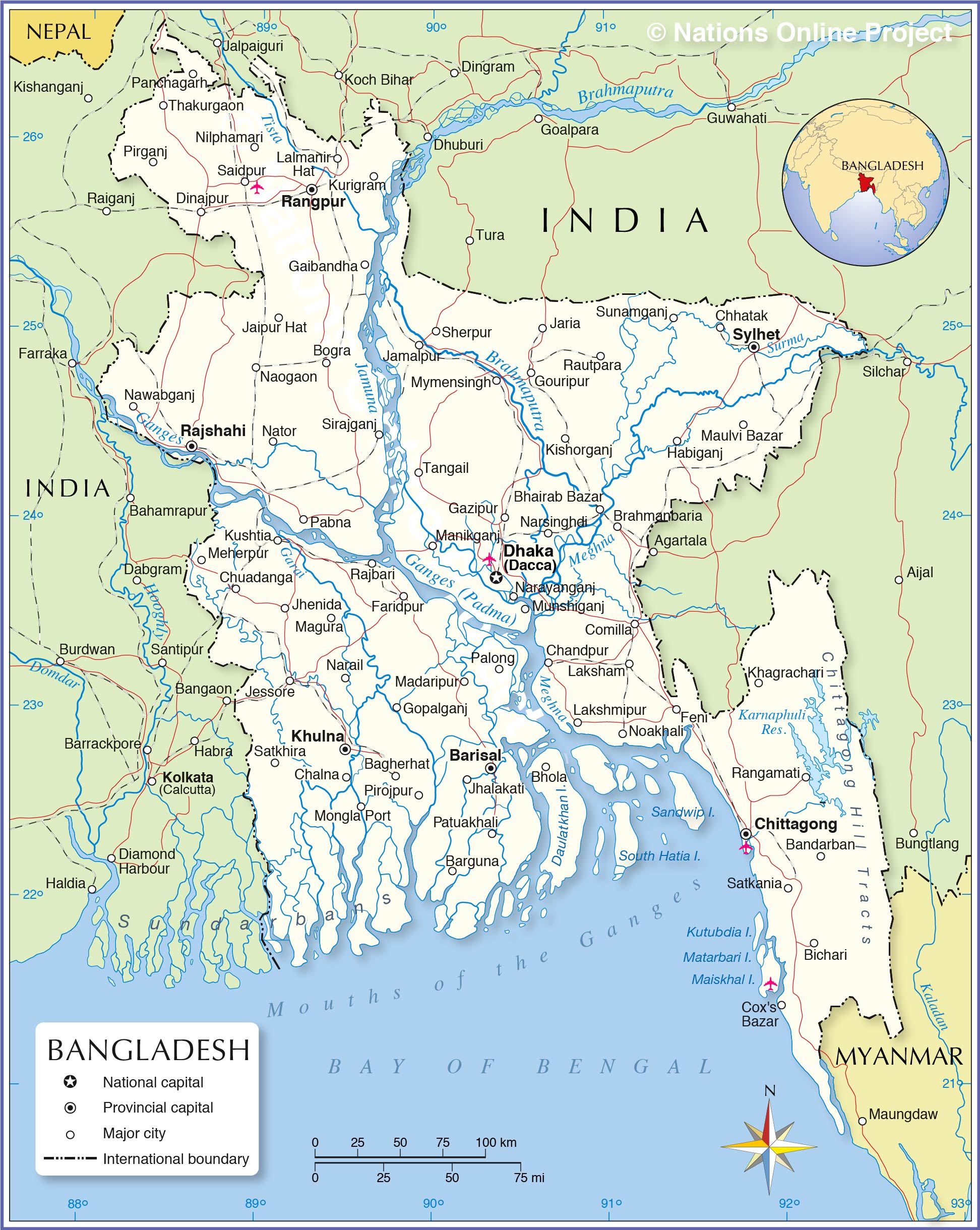
India's northeast has long been treated by continental analysts as a backwater, a mosaic of dense jungles and complex ethnic fault lines. For decades, the primary threat matrix involved local separatist groups sourcing small arms through established black-market routes in Southeast Asia.
The arrival of Ukrainian drone specialists changes the vector entirely. We are no longer talking about AK-47s and smuggled explosives. We are looking at off-the-shelf electronic warfare mastery, custom-built FPV modifications, and tactical integration that turns ragtag ethnic armed groups into precision strike units.
When foreign operatives slip through Mizoram without Restricted Area Permits, they exploit a fundamental vulnerability in border management: states are built to defend against opposing militaries, not against decentralized networks of freelance tech mercenaries operating on contract.
Imagine a scenario where state-sponsored oversight vanishes entirely from the equation, replaced by private equity-funded conflict kits delivered via commercial logistics chains. That is not a dystopian future; it is what the NIA uncovered in Delhi, Lucknow, and Kolkata airports.
The Myth of Contained Conflict
A common defense offered by sympathetic observers is that these individuals act independently, representing no official government policy. This argument collapses under basic scrutiny.
Modern conflict export does not require an embossed decree from a ministry of defense. It operates through plausible deniability. In the post-2022 global security environment, thousands of individuals gained hyper-specialized proficiency in drone assembly, electronic countermeasures, and asymmetric tactics. Once trained, that human capital does not simply evaporate when a specific rotational deployment ends. It commercializes. It drifts toward lucrative new markets where local insurgencies are desperate to offset state military superiority.
When a Ukrainian national or an American media personality turns up thousands of miles away training ethnic armed groups to target military juntas, they are participating in the global gig-economy of violence. Treating them as rogue actors misses the structural shift: warfare is now decoupled from traditional state command structures.
Dismantling the Diplomatic Pretense
The official responses from foreign ministries have followed a predictable script. Expressions of surprise, demands for consular access, and vague assertions of unintentional administrative violations.
Let us be entirely candid. An international team of drone experts does not accidentally cross into a restricted international border zone without permits while carrying digital footprints detailing tactical operations. The logistical coordination required to move hardware and personnel from Europe through Indian transit hubs into the Chin State or surrounding Myanmar territories demands intentional planning.
India's security establishment understands this. The decision by the NIA to crack down aggressively is a clear signal that New Delhi will not tolerate its territory being used as a staging ground for proxy warfare or cross-border insurgent enhancement. For years, regional stability has relied on the containment of local conflicts. When foreign mercenaries import high-intensity drone warfare tactics into these fragile ecosystems, they risk pouring rocket fuel onto fires that India has spent decades trying to dampen.
The takeaway here is stark. Borders are only as secure as their weakest technological and administrative links. If sovereign states fail to aggressively monitor and criminalize the export of freelance combat expertise, the next generation of civil conflicts will be fought entirely with outsourced, off-the-shelf terror technology. Stop treating these arrests as a diplomatic inconvenience. They are a warning shot.