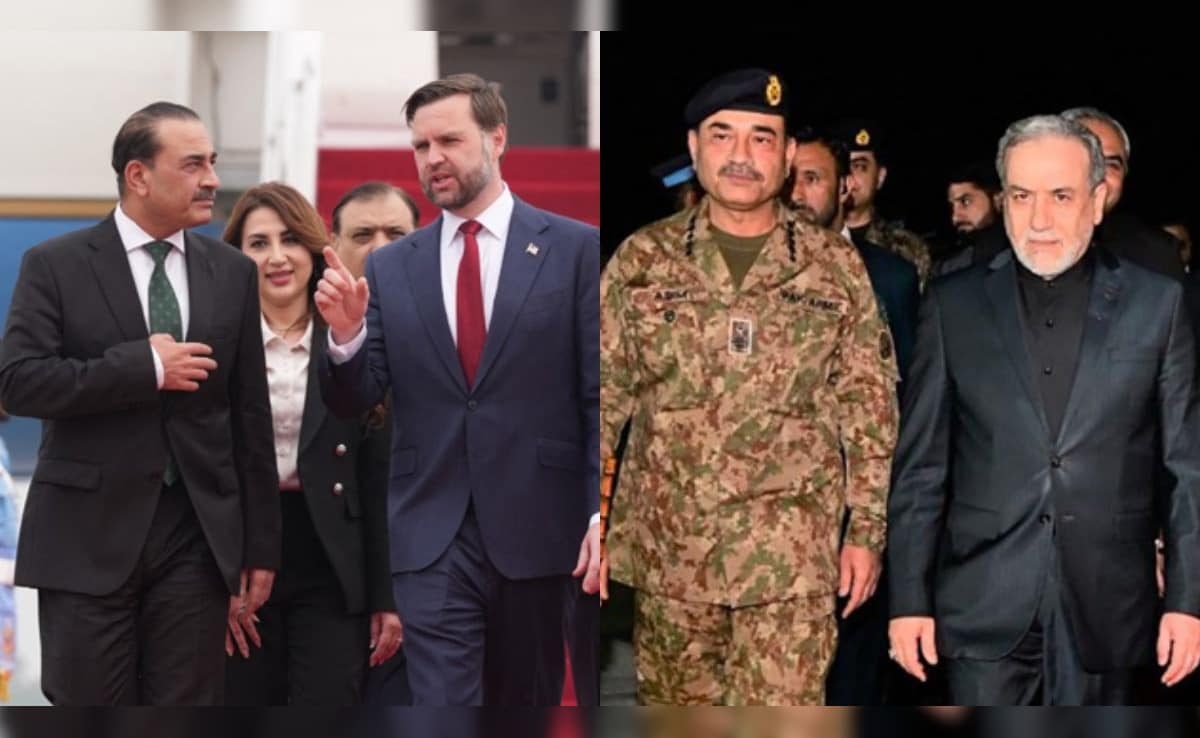
General Asim Munir doesn't just pick out clothes; he picks out a message. When Pakistan’s Army Chief walks into a room, the fabric he's wearing matters as much as the words he says. Most people see a military man in a business suit and think he’s just trying to look approachable. That’s a mistake. In the high-stakes theater of South Asian politics, a change of clothes is a calculated maneuver. It’s about signaling who has the power and how they intend to use it.
When Munir hosted Iranian President Ebrahim Raisi, he stayed in his olive drabs. He looked every bit the soldier. But when he met with American delegations or business leaders in Islamabad, the uniform vanished. Out came the sharp, dark suit. This isn't random. It’s a deliberate strategy to show the world that Pakistan’s military isn't just a defense force—it's the country's primary diplomatic and economic broker.
The Message Behind the Fabric
The military in Pakistan has always been the "establishment." We know this. But Munir is taking the optics to a different level. By wearing a suit, he tells the West that he can play their game. He isn't just a general following orders from a civilian government. He’s a statesman who can sit across from a CEO or a State Department official and speak their language.
Standard diplomacy usually involves the Foreign Office. In Pakistan, that line is blurry. When Munir puts on that suit, he’s basically saying the army is the only institution that can actually get things done. He’s branding the military as a corporate entity capable of managing the Special Investment Facilitation Council (SIFC). He wants foreign investors to feel safe. A uniform can be intimidating or suggest a coup. A suit suggests a boardroom.
Dealing With Iran and the US
The contrast in his meetings with Iran and the US is the best example of this "dress diplomacy." Iran is a neighbor with a complicated security relationship. When Raisi visited, the military vibe was front and center. It signaled a brotherhood of arms and a shared concern over border security and militant groups. It was a "general-to-president" conversation about hard power.
The US is different. The relationship with Washington is often about money, IMF bailouts, and high-tech hardware. When Munir travels to DC or meets Americans in Islamabad, he frequently sheds the medals. He knows the "boots on the ground" image doesn't always sell well in the halls of Congress or at the World Bank. He’s presenting a modernized, polished version of the Pakistani state. It’s a way to lower the temperature and focus on "geoeconomics"—the buzzword the military has been pushing for years.
Why the Suit Matters for the Economy
Pakistan is in a massive financial hole. Everyone knows it. The SIFC was created to bring in billions from Gulf nations and the West. Munir is the face of this push. Honestly, the civilian government often feels like a backdrop. By appearing in civilian clothes, Munir tries to bridge the gap between military authority and economic management.
- It tells the Gulf monarchs that the army is personally guaranteeing their investments.
- It tells the IMF that there is "stability" behind the scenes.
- It attempts to soften the image of military interference in domestic politics.
It’s a bit of a shell game. You change the outfit, but the man underneath still commands the most powerful institution in the country. Critics argue this is just "civ-washing"—making military rule look like civilian governance. They aren't entirely wrong. But from a purely PR perspective, it’s a smart move. It allows him to move through spaces where a four-star general might normally feel out of place.
The Risks of Blurring the Lines
There’s a danger here. When a general acts too much like a politician or a CEO, the core mission of the army can get muddy. If the "suit" version of Munir fails to fix the economy, the reputation of the entire military takes the hit. Usually, the army can blame the politicians for high inflation or low growth. But if you're the one in the suit chairing the meetings, you own the results.
The public isn't stupid. They see the change in wardrobe. For supporters, it’s a sign of a versatile leader. For the opposition, it’s proof of an "overstepped" mandate. This tension defines the current era of Pakistani politics. Munir is betting that he can maintain the respect of his troops while gaining the trust of global markets. It’s a tightrope walk.
What This Means for Future Diplomacy
Don't expect the suit to become his permanent look. The uniform is his base of power. He’ll put it back on whenever he needs to remind the domestic audience who is in charge of security. But for the international stage, the suit is here to stay. It’s a tool for a specific job: securing the bag.
If you’re watching Pakistan’s foreign policy, watch the wardrobe. If Munir is in a suit, he’s talking about money, tech, or long-term alliances. If he’s in uniform, things are tense, and he’s talking about borders, "red lines," and internal threats. The clothing tells you exactly what kind of meeting is happening before a single word is leaked to the press.
Keep an eye on the next round of IMF talks or the next big investment summit in Islamabad. You can bet the suit will make an appearance. It’s the new uniform of the Pakistani establishment, designed to blend into a world that is increasingly skeptical of traditional military rule. If you want to understand where Pakistan is headed, stop looking at the press releases and start looking at the lapels.