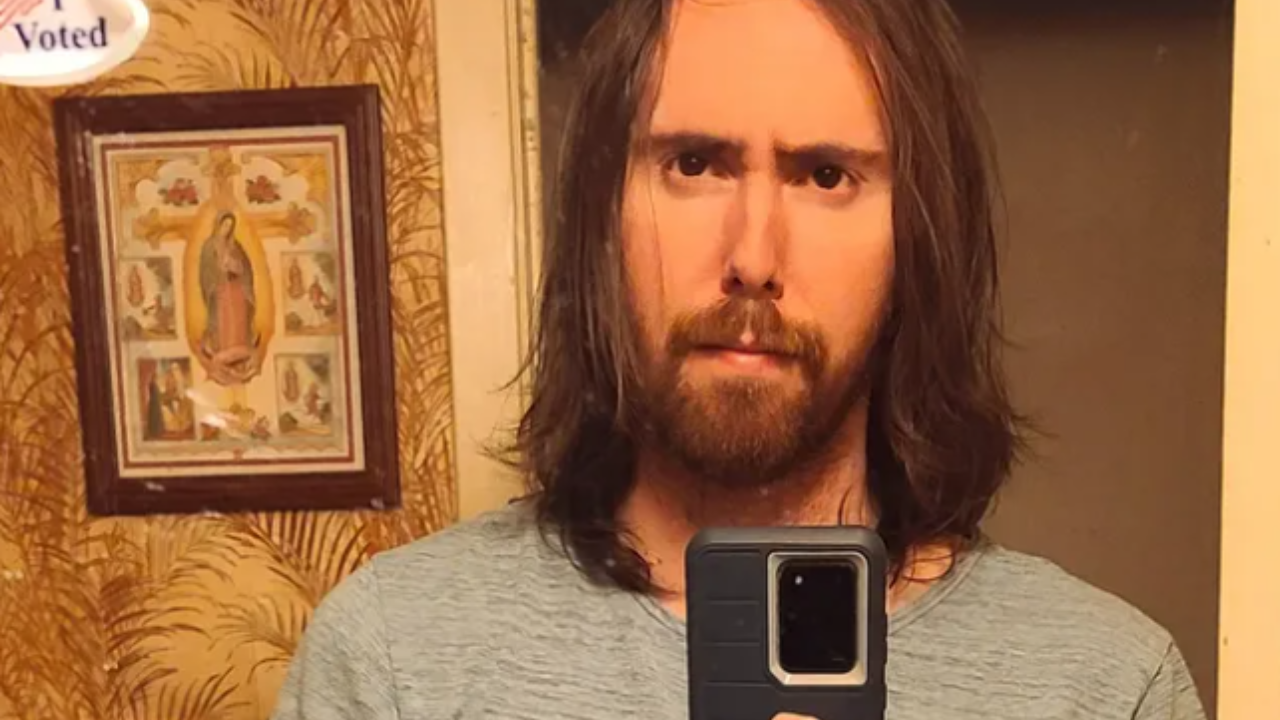
The internet is weeping for a millionaire who plays video games in his underwear.
When Twitch megastar Zack "Asmongold" shared a moment of raw vulnerability, admitting that at 36, being single, isolated, and living in a cluttered house was "getting bad," the digital commentary ecosystem did exactly what it always does. It panicked. Media outlets churned out copy-paste sympathy pieces. Psychologists on TikTok diagnosed him with severe burnout. Fans started Reddit threads offering lifestyle advice, begging him to clean his room, touch grass, and find a wife. Meanwhile, you can read similar developments here: The Economics of Discontinuation Why Sony Is Killing PlayStation Discs By 2028.
They missed the entire point.
The mainstream narrative surrounding Asmongold’s existential dread is built on a lazy, fundamentally flawed premise: that his isolation is a tragic byproduct of streaming success. To explore the complete picture, we recommend the excellent article by Associated Press.
It isn't. His isolation is the very engine of his success. The hyper-focus, the refusal to conform to societal milestones, and the complete elimination of standard human distractions are precisely what allowed a guy from Austin, Texas, to build an empire with millions of followers and co-found One True King (OTK).
Stop projecting middle-class milestones onto digital anomalies. Asmongold’s existential crisis isn't a cautionary tale about the gaming industry. It is a masterclass in the brutal, transactional nature of hyper-performance.
The Pathological Myth of Balance
We love the concept of the well-rounded individual. Society beats it into our heads from childhood: eat a balanced diet, maintain a robust social circle, find a partner, build a career, and get eight hours of sleep.
It’s a beautiful lie designed for mediocrity.
I have spent over a decade analyzing the mechanics of digital monetization and creator economies. I have watched creators burn millions trying to buy a "normal life" while maintaining a top-tier digital presence. It never works. Extraordinary output requires extraordinary asymmetry.
Look at the data of top-tier streaming. To maintain a position in the top 0.01% of Twitch, an individual must treat the platform not as a job, but as an environment. We are talking about 40 to 60 hours of live broadcasting a week, supplemented by back-end business meetings, content editing, and the relentless mental load of managing a community of thousands of volatile internet users.
Imagine a scenario where an Olympic sprinter is chided for not spending enough time at casual cocktail parties or networking events. It sounds absurd, right? We accept that elite athletes must live monastic, deeply unbalanced lives to achieve peak performance. Yet, when a digital athlete does the exact same thing, we call it a mental health crisis.
Asmongold didn’t stumble into isolation. He traded normalcy for dominance. The tragedy isn't that he’s alone at 36; the tragedy is that society has convinced him he should feel guilty about it.
Why the "People Also Ask" Solutions Fail Realistically
If you search for advice on creator burnout or mid-life isolation, the internet serves up a predictable menu of platitudes. Let's dismantle them one by one.
"Why doesn't he just hire a maid and a personal chef?"
This is the favorite response of the casual observer. They see the messy room on stream and think it’s a logistics problem. It isn't. It’s an identity problem.
For a creator like Asmongold, the filth, the unwashed hair, and the chaotic environment are not failures of upkeep; they are authentic trust markers. The moment a streamer worth millions starts broadcasting from a pristine, minimalist, interior-designed studio, they lose their core demographic. The audience doesn't want to look at a polished executive. They want to look at a mirror. Cleaning the house destroys the brand equity of the "everyman gamer."
"He needs to step away from the internet and find a relationship."
The assumption here is that a romantic relationship adds stability. In the hyper-accelerated world of content creation, a relationship is a massive, high-risk time sink.
A relationship requires emotional distribution. It demands that you take your eyes off the screen and focus on another human being. For someone whose literal net worth is tied to their daily attention-share on the internet, an emotional commitment is a direct tax on their performance. The brutal truth nobody wants to admit is that for some high-performers, a relationship is a liability, not an asset.
The Paradox of the Digital Panopticon
To understand why Asmongold’s reflection hit such a nerve, you have to understand the specific mechanics of the digital panopticon.
Streamers live in an inverted reality. They are surrounded by tens of thousands of people every single day, yet they are completely alone. This isn't unique to Asmongold; it’s the standard operating procedure for the modern creator.
- Parasocial asymmetry: The creator feels the weight of thousands of individuals, but cannot form a genuine connection with any of them.
- The algorithm never sleeps: The moment a creator hits "Stop Streaming," their metrics begin to decay. The audience's attention is highly volatile.
- The authenticity trap: You must be real, but you must also be entertaining. The second your real-world misery becomes boring, the audience leaves.
[Audience Attention] ---> [Demands Raw Authenticity] ---> [Creator Exploits Personal Life]
         ^                                                              |
         |                                                              v
[Platform Algorithm Decays] <--- [Creator Steps Away for Normalcy] <--- [Severe Burnout]
This loop creates a strange form of psychological capture. The creator becomes addicted to the validation of the crowd while simultaneously being starved of actual human intimacy.
But here is the contrarian pivot: This capture is exactly what makes the content good.
If Asmongold were happy, fulfilled, married, and living in a suburban mansion with a white picket fence, his stream would suck. His cynicism would feel manufactured. His rage at video game developers would ring hollow. The existential dread is the seasoning that makes the product palatable. The misery is the content.
Stop Trying to Fix the Monastic Creator
The collective urge to "fix" creators like Asmongold is rooted in a fundamental misunderstanding of what greatness costs.
We want our icons to be brilliant but balanced, rich but relatable, isolated but happy. It’s a statistical impossibility. The traits that make someone a cultural phenomenon are the exact same traits that make them entirely unsuited for a standard, healthy lifestyle.
I’ve seen this play out with tech founders, elite day traders, and artists. The moment they give in to the pressure to become "normal," their output craters. They become boring. They lose the edge that made them dangerous in their respective fields.
If Asmongold cleans up his act, gets a therapist, moves to a luxury condo, and starts posting gym selfies, his career as the voice of the gritty, unfiltered gaming community is over. He will have traded his kingdom for a standard-issue mid-life crisis.
The Actionable Truth for the Rest of Us
The lesson here isn't to pity a wealthy streamer who feels lonely. The lesson is to audit your own relationship with ambition.
If you want an extraordinary life—if you want to be at the absolute top of your field, whether that is gaming, business, or art—you must be willing to pay the tax. And that tax is almost always paid in the currency of human connection.
Do not look at a high-performer's isolation as a mistake. Look at it as a price tag.
If you aren't willing to pay that price, accept your mediocrity and enjoy your balanced life. But stop looking at the people who did pay the price and assuming they made a mistake just because they are standing on the peak alone, shivering. They knew exactly what they were buying.
Stop weeping for Asmongold. He built his fortress of solitude brick by brick, and it made him a king. Now he has to live in it. That isn't a tragedy; it’s just the invoice.