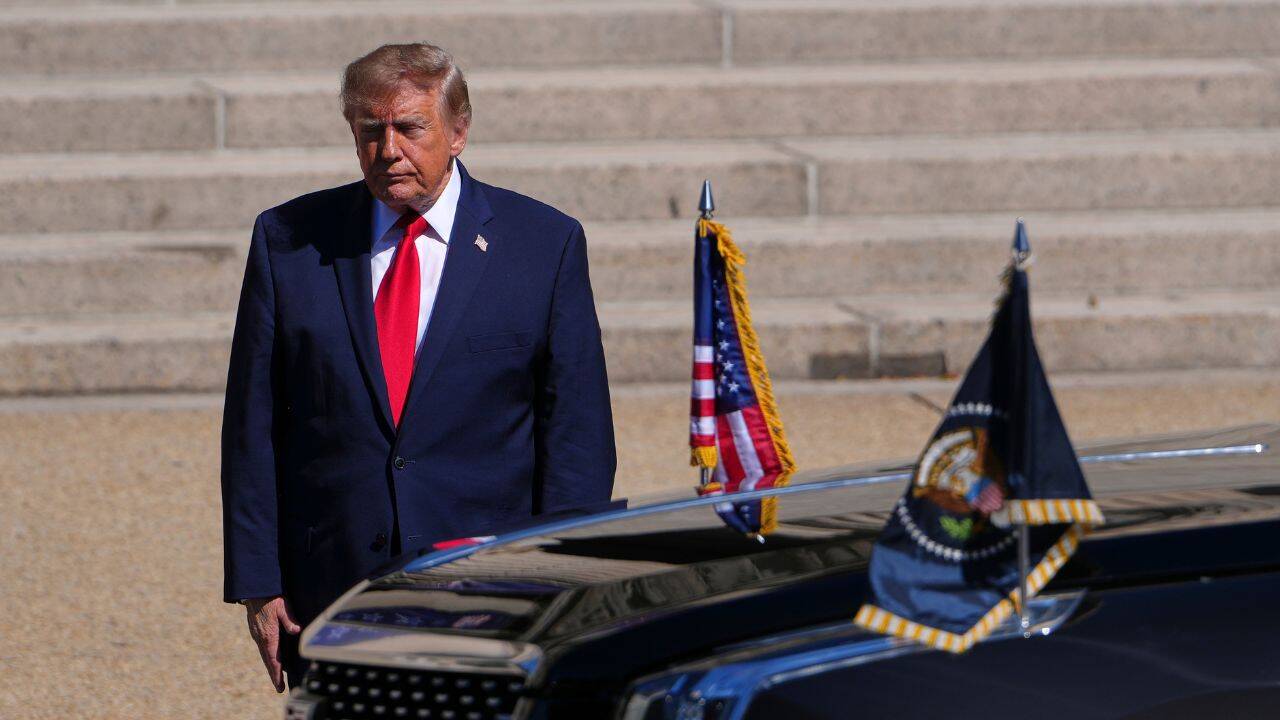
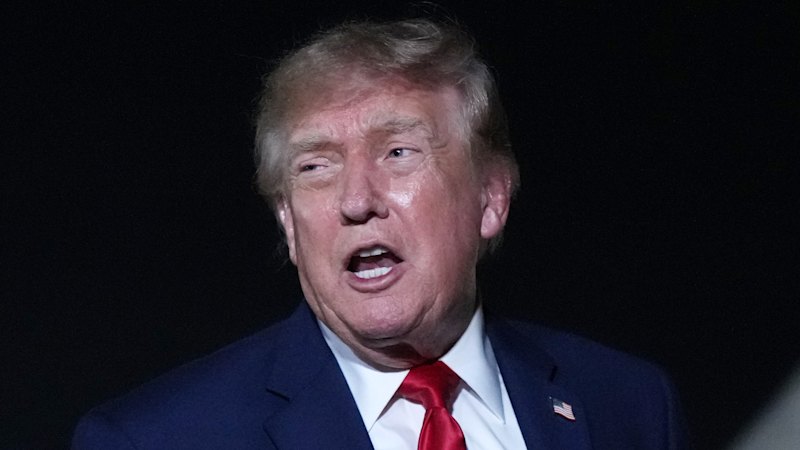
Washington and Tehran are engaged in a structured contest of attrition where diplomatic communication serves primarily as an instrument of coercion rather than consensus-seeking. The assertion by American officials that the executive branch commands superior positioning in negotiations rests on tangible economic restrictions, maritime blockades, and military readiness. Yet, treating this dynamic as a simple exercise in dominance obscures the complex trade-offs, domestic political constraints, and structural limitations governing both capitals. Evaluating the current state of bilateral interactions requires unpacking the mechanics of pressure, the friction points of regional geography, and the limits of coercive statecraft.
The Economic Mechanics of Coercion
The foundation of Washington's bargaining advantage is built on financial isolation and trade restrictions. By enforcing a strict naval blockade on Iranian ports, the United States has severely restricted petroleum exports, which historically constituted a primary revenue stream for the state budget. The constriction of foreign exchange earnings has driven sharp currency depreciation, pushing exchange rates for the rial to historic lows and inflating domestic consumer prices.
These economic penalties operate on a theory of attrition. The objective is to deplete state reserves to a point where the cost of maintaining contested regional policies exceeds the perceived utility of those policies. However, this strategy encounters diminishing returns. Longstanding sanctions have forced the Iranian economy to adapt through informal trade channels, bilateral barter agreements, and diversified non-oil exports.
The Iranian state budget absorbs these shocks by shifting internal burdens onto the civilian population while prioritizing security expenditures. As a result, financial pressure alone has failed to produce unconditional capitulation. Instead, it has hardened the posture of hardliners who argue that economic concessions under duress would invite permanent strategic vulnerability. Tehran demands the removal of trade restrictions, the unfreezing of overseas assets, and the cessation of regional hostilities as prerequisites for formal talks, framing economic normalization not as a reward to be earned, but as a baseline requirement for dialogue.
Maritime Control and Strait Geopolitics
Geographic concentration amplifies the coercive capacity of American naval deployments. The Strait of Hormuz functions as a critical chokepoint for global energy transit, carrying a significant share of internationally traded petroleum and liquefied natural gas. By maintaining a dominant naval presence and blockading designated maritime corridors, Washington imposes direct costs not only on Iran but on regional economies and global markets.
Control over this maritime artery provides the executive branch with immediate tactical visibility. Naval assets and air wings positioned within operational range enforce compliance and deter maritime challenges. Yet, this deployment carries substantial operational and financial overhead. Maintaining carrier strike groups and supporting infrastructure in a contested theater requires continuous logistical expenditure and exposes military units to asymmetric risks.
Regional states observe these developments with acute anxiety. Gulf capitals recognize that any escalation carries severe economic fallout for their own infrastructure, tourism, and sovereign wealth investments. While leaders in Riyadh and Doha favor diplomatic de-escalation and non-military stabilization, they also recognize that unilateral American withdrawal without ironclad security guarantees would leave a dangerous vacuum. This creates a multi-layered tension: Washington seeks to minimize long-term military exposure while projecting absolute strength, whereas regional partners lobby for sustained deterrence without triggering regional conflagration.
The Limits of Military Coercion and Asymmetric Response
Military force in this conflict is calibrated to signal resolve rather than achieve total territorial conquest or regime transformation. Strategic strikes on air defenses, radar installations, and logistical hubs are executed to destroy specific capabilities and establish boundaries of deterrence. However, military planners in Washington face a persistent strategic dilemma. A limited strike risks being interpreted as hesitation, inviting further provocations from regional actors. Conversely, an expanded campaign risks dragging the United States into an enduring entanglement that lacks domestic political support and diverts resources from broader global priorities.
Tehran counters conventional military asymmetry through specialized doctrine and regional alignment. Rather than matching American naval or air power symmetrically, the Iranian security apparatus maintains decentralized deterrence via allied networks, intelligence operations, and ballistic missile stockpiles. These capabilities allow Tehran to project influence across multiple theaters, including Lebanon and maritime transit lanes, creating friction points that raise the cost of American intervention.
Domestic politics within the United States further complicate executive decision-making. Congressional scrutiny regarding authorization for military operations introduces friction between the legislative and executive branches. Scrutiny over war powers and accountability mechanisms ensures that any sustained military campaign faces domestic legal challenges. This internal friction prevents the executive branch from executing an unchecked escalation strategy, forcing a continuous recalculation between diplomatic outreach and calibrated military enforcement.
Strategic Forecast and Trajectory
The interaction between Washington and Tehran will likely be defined by a managed standoff rather than a comprehensive settlement. Neither side possesses the incentive or the domestic political latitude to make unconditional concessions. Tehran's demand for economic relief prior to substantive nuclear compromise collides directly with Washington's insistence that concessions must be earned through verifiable behavioral change.
Future developments will hinge on the durability of the current naval blockade and the threshold of provocation required to trigger renewed kinetic action. If current containment measures hold without severe escalation, the two nations will likely maintain a baseline of indirect communication mediated by regional interlocutors such as Qatar and Oman. The strategic equilibrium will persist not through mutual trust, but through a shared recognition that open-ended conflict carries unacceptable costs, ensuring that deterrence and low-level friction remain the permanent baseline of bilateral relations.