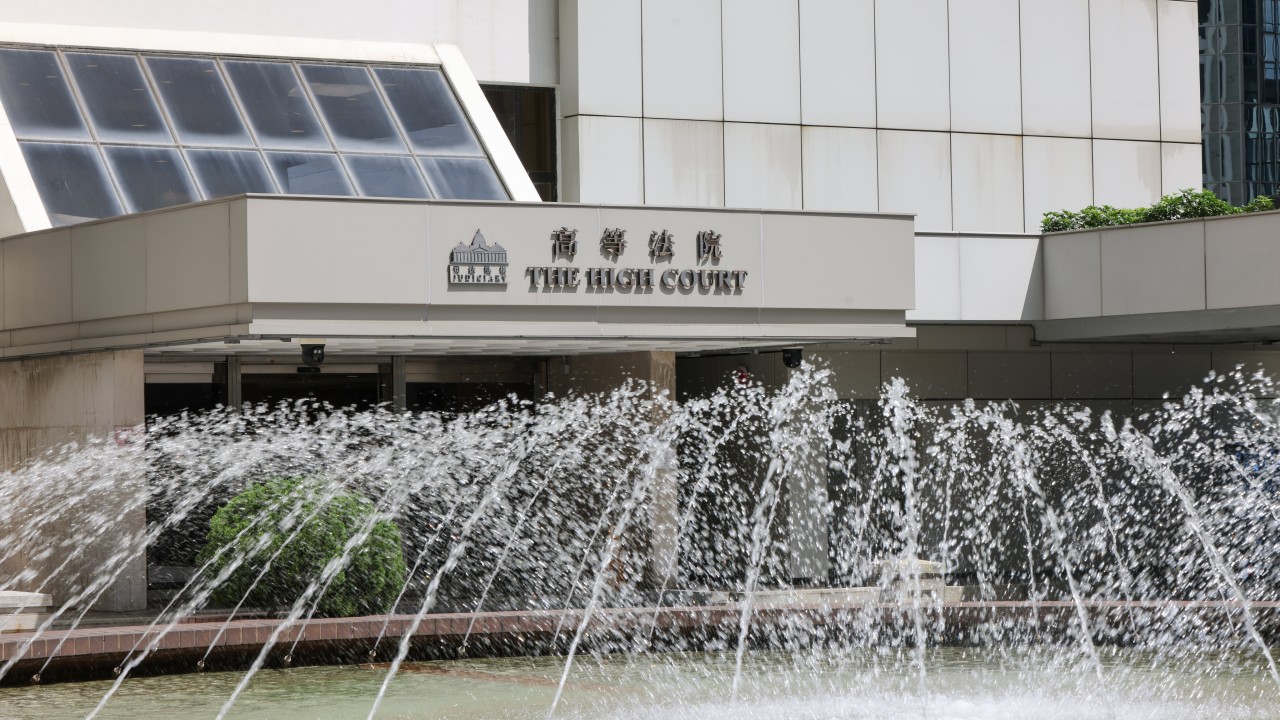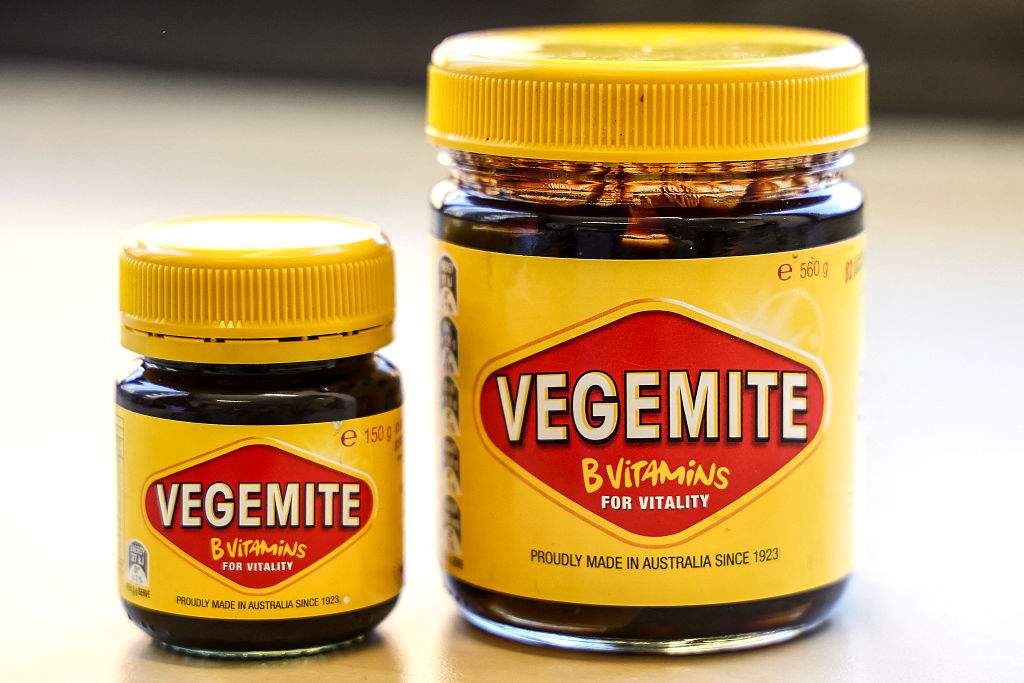
An Australian Supreme Court judge has rejected a convicted murderer’s legal bid to overturn a ban on Vegemite inside Victorian prisons. While international headlines framed the ruling as a bizarre dispute over a national culinary icon, the decision rests on strict administrative law, contraband prevention, and statutory interpretation. Corrections authorities restrict the yeast-based spread because its high yeast content can be used to brew illicit alcohol, and its strong odor masks contraband from drug-detection dogs. Under Australian law, courts grant wide operational latitude to prison governors when restrictions tie directly to facility security and order.
The legal battle began when a prisoner serving a life sentence challenged the policy under Victoria's Charter of Human Rights and Responsibilities Act 2006. The argument seemed straightforward on the surface. Vegemite is a staple of the Australian diet, rich in B vitamins, and widely available in the general community. By stripping inmates of access to a basic cultural foodstuff, the applicant argued, prison administrators were infringing upon his human rights and dignity without adequate justification.
The court disagreed.
Justice James Elliott, presiding over the matter in the Supreme Court of Victoria, looked past the cultural nostalgia surrounding the dark brown paste and focused strictly on the statutory framework governing correctional facilities. In Australia, prisoners retain their basic human rights, except to the extent that those rights are necessarily limited by the fact of their imprisonment. When an inmate challenges a prison policy, the court does not step into the shoes of the prison governor to decide what makes for a pleasant menu. Instead, the judiciary asks a much narrower question. Was the decision made lawfully, reasonably, and within the bounds of the powers granted by Parliament?
The Chemistry of Contraband Behind the Spread
To understand why a jar of breakfast spread poses a genuine security headache for correctional officers, you have to look at the informal economy of a maximum-security facility. Prisons are closed ecosystems where everyday items are routinely repurposed into illicit commodities. Vegemite is not banned because wardens want to inflict petty psychological torture on inmates. It is banned because of biochemistry and canine olfactory limits.
First, there is the fermentation issue. Vegemite is manufactured from leftover brewers' yeast extract, combined with various vegetable and spice additives. While the manufacturing process kills off most of the active yeast, the nutrient-dense paste remains an ideal base for wild fermentation. Inmates across the world have perfected the art of brewing prison hooch—commonly known as pruno or brew—using smuggled fruit, bread, sugar, and water. Adding a yeast extract to the mix accelerates the fermentation process, yielding a potent, unregulated alcohol. Inside a high-security unit, illicit alcohol is a primary driver of violent assaults, medical emergencies, and breakdowns in discipline.
Second, and perhaps more critical to daily security operations, is the pungent aroma of the spread.
Correctional facilities rely heavily on passive alert dogs to screen mail, incoming packages, and visitor areas for narcotics. Methamphetamine, heroin, and synthetic cannabinoids are routinely trafficked into prisons hidden inside letters, clothing seams, or body cavities. Smugglers constantly look for masking agents—substances with overpowering odors designed to overwhelm a canine's sensory receptors or confuse its training. Coffee grounds, mustard, and pepper are classic examples. Vegemite, with its intense, savory, and salty profile, functions in the exact same way. If prisoners are allowed to keep jars of the spread in their cells, they possess a readily available masking agent to conceal illicit drugs during routine cell searches.
How the Victorian Charter Actually Works
Many casual observers misunderstand how human rights legislation operates in jurisdictions like Victoria. Unlike the United States, which possesses a constitutionally entrenched Bill of Rights that empowers judges to strike down legislation, Victoria operates under a statutory charter. The Charter of Human Rights and Responsibilities Act 2006 requires public authorities—including Corrections Victoria—to act compatibly with human rights and to give proper consideration to those rights when making decisions.
However, the Charter explicitly recognizes that rights are not absolute. Section 7 of the Act allows human rights to be subject to reasonable limits that can be demonstrably justified in a free and democratic society. When evaluating whether a restriction is reasonable, courts weigh several factors. They examine the nature of the right, the importance of the purpose of the limitation, the nature and extent of the limitation, and whether any less restrictive means are reasonably available to achieve that same purpose.
In the Vegemite litigation, the prisoner relied heavily on the right to humane treatment when deprived of liberty, alongside arguments touching on cultural rights. The court had to determine whether depriving a man of a specific condiment rose to the level of inhumane treatment.
The threshold for breaching that right is high. Humane treatment requires that prisoners be provided with adequate food, water, shelter, and medical care to maintain their health and dignity. It does not guarantee access to specific brand-name items or comfort foods. As long as the prison system provides a nutritionally balanced diet that meets health standards, the removal of a single condiment fails to clear the legal bar for inhumane treatment. Even if the ban did engage a human right, the security risks associated with contraband masking and illicit brewing provided a clear, rational justification for the restriction under Section 7.
The Judicial Deference Doctrine
A critical factor in almost every prison litigation case is the principle of judicial deference. Judges are experts in statutory interpretation, procedural fairness, and constitutional boundaries. They are not experts in running maximum-security prisons.
When a correctional administrator submits sworn evidence detailing how a specific item compromises facility security, courts are deeply reluctant to second-guess that operational assessment. Unless the prisoner can prove that the prison authority acted in bad faith, ignored mandatory legal considerations, or made a decision so absurd that no reasonable person could ever have arrived at it, the court will uphold the ban. This high legal standard—known in administrative law as Wednesbury unreasonableness—protects executive agencies from endless judicial micromanagement.
Consider the administrative chaos that would ensue if courts began overturning minor contraband bans based on judicial preferences. If a judge ruled that Vegemite must be permitted because the risk of illicit brewing was merely theoretical, the next week would bring lawsuits demanding the return of aerosol deodorants, glass jars, metal cutlery, and unmonitored internet access. Each item carries a calculated risk profile that prison intelligence units monitor continuously. What looks like a harmless jar of yeast extract to an outsider is viewed by a security director through the lens of worst-case institutional failure.
The Cost of Frivolous vs. Necessary Litigation
This case also highlights a persistent tension within the Australian justice system regarding prisoner-initiated litigation. Critics often seize upon headlines about murderers suing over breakfast spreads to argue that human rights charters are broken, wasteful, and overly sympathetic to violent criminals. Taxpayer-funded court time, they argue, should not be spent debating the culinary privileges of individuals serving life sentences for heinous crimes.
That criticism misses a vital structural point about the rule of law.
The legal mechanisms that allow a convicted murderer to challenge a ban on Vegemite are the exact same mechanisms that allow an innocent pretrial detainee to challenge unlawful solitary confinement, denial of life-saving medication, or physical abuse by guards. You cannot build a legal system that filters out trivial complaints at the courthouse door without risking the dismissal of legitimate, urgent human rights abuses. The system handles frivolous or weak claims not by stripping prisoners of the right to file them, but by subjecting those claims to rigorous judicial scrutiny and dismissing them when they lack merit.
When the Supreme Court hears a case like this and issues a reasoned judgment rejecting the claim, the system is working precisely as intended. The state is forced to articulate a rational, evidence-based justification for its exercise of power, and the court validates that justification on the public record.
A History of Strange Prison Bans
The prohibition on Vegemite is hardly an anomaly in the broader history of correctional administration. Across Australia, the United Kingdom, and North America, prison contraband lists read like inventories of ordinary household goods. Every single item on those lists earned its spot through an incident, an injury, or an intelligence report.
In many Australian facilities, dental floss is strictly prohibited or heavily regulated. While essential for oral hygiene, braided nylon floss is remarkably strong; inmates have used it to saw through soft metal bars, fashion ligatures, or secure makeshift weapons. Chewing gum is almost universally banned because it is used to jam electronic locking mechanisms, cover security camera lenses, and conceal small contraband items under tables and chairs.
Even seemingly benign food items face regular scrutiny:
- Nutmeg: Banned in most correctional facilities worldwide because consuming large quantities produces hallucinogenic effects and severe toxicity due to the compound myristicin.
- Poppy seeds: Prohibited not because they pose a direct physical threat, but because eating a single poppy seed bagel can trigger a false positive for opiates on standard prison urinalysis drug screens.
- Bone-in meats: Frequently excluded from prison kitchens because animal bones can be easily ground down against concrete floors into sharp, undetectable shanks.
- Canned goods: Removed from commissaries because the sharp metal lids serve as ready-made cutting weapons.
To an outsider, banning nutmeg or Vegemite appears arbitrary. To a veteran correctional officer who has responded to a stabbing made from a chicken bone or a riot fueled by fermented fruit juice, those restrictions are basic workplace safety measures.
The Role of the Prison Commissary
To fully grasp why inmates fight so hard over items like Vegemite, one must understand the psychological weight of the prison commissary, known in Australia as the "buy-up" list. In an environment where almost every aspect of daily life is dictated by institutional schedules—when to wake, when to eat, when to exercise, when to lock down—the buy-up list represents one of the few remaining avenues for personal autonomy.
Choosing what snacks or toiletries to purchase with meager prison wages gives inmates a tiny measure of control over their immediate environment. Furthermore, commissary items function as the de facto currency of prison life. Because cash is banned inside correctional facilities, goods like instant coffee, tuna pouches, chocolate bars, and spreads are used to settle debts, pay for haircuts, or trade for services.
When Corrections Victoria removes a popular item from the buy-up list, it disrupts both the psychological comfort of the inmates and the informal barter economy on the landings. Inmates rarely launch complex Supreme Court challenges purely out of a deep affection for yeast extract. Often, litigation serves as a way to push back against institutional authority, assert agency within a powerless environment, or occupy endless hours of solitary confinement with legal research.
Balancing Security and Rehabilitation
Modern correctional policy constantly walks a tightrope between two competing mandates: strict security and humane rehabilitation. If a prison system focuses exclusively on risk elimination, the resulting environment becomes sterile, punitive, and dehumanizing. Locking every prisoner in a bare concrete cell for twenty-three hours a day eliminates almost all contraband and violence, yet it produces severely mentally ill individuals who are far more dangerous when they are eventually released.
Conversely, prioritizing normalization—making prison life resemble outside life as closely as possible to aid rehabilitation—introduces undeniable security vulnerabilities. Allowing inmates to cook their own meals, wear personal clothing, and access familiar cultural foods reduces institutional tension and helps maintain a sense of normal human identity.
Corrections Victoria's decision to ban Vegemite sits squarely on that fault line. While access to a beloved national foodstuff aligns with the goal of normalizing the prison environment, the dual threats of illicit alcohol production and drug-dog interference tipped the operational scale toward prohibition. Once that decision was made, the legal outcome was virtually inevitable. Under Australian administrative law, a well-documented security risk will almost always outweigh an inmate's preference for a specific condiment, leaving the jar firmly outside the prison gates.