International aviation rarely operates in a vacuum. When a commercial airliner carrying dozens of passengers gets halted right before takeoff, it's never just a routine technical glitch. Behind every sudden grounded flight lies a web of diplomatic friction, shifting regional alliances, and strict airspace security rules.
Let's look at what actually happens when geopolitical tension spills onto the tarmac.
The Tarmac Interception That Triggered Regional Alarm
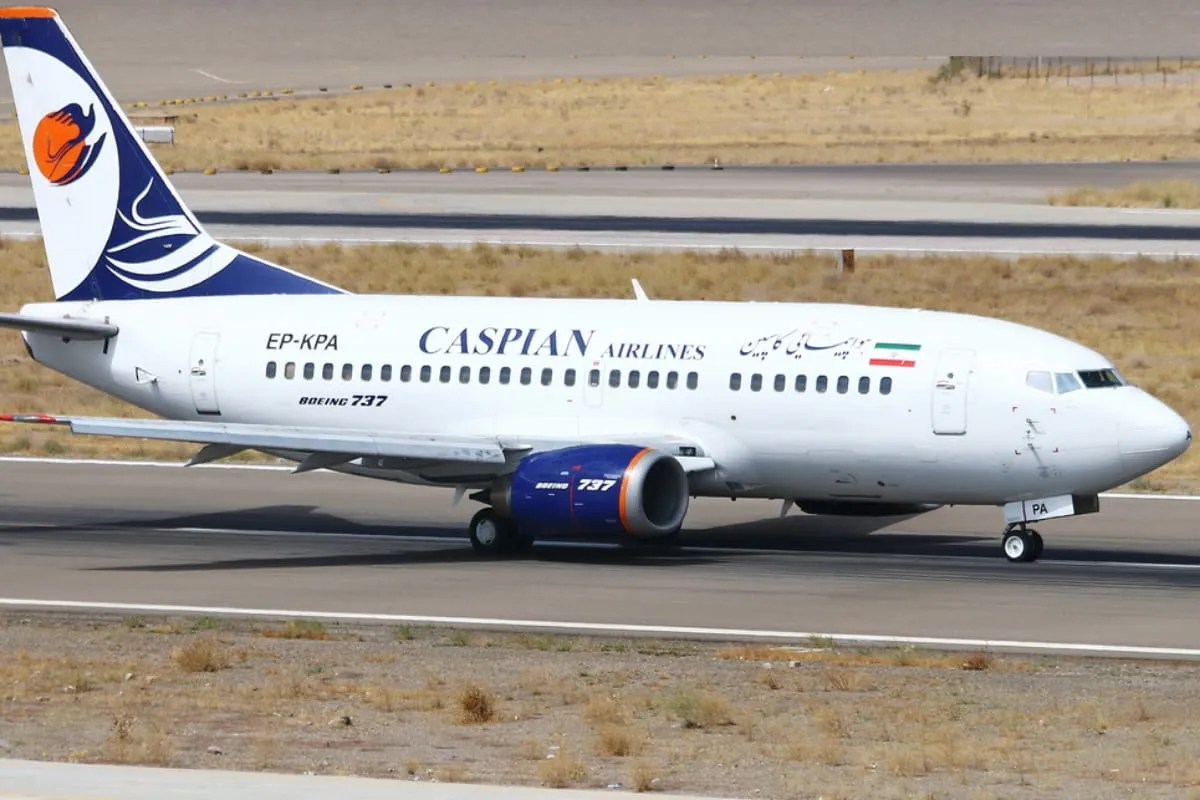
Grounding a plane full of passengers isn't something airport authorities take lightly. When Turkish officials intercepted and held an Iranian commercial aircraft on the tarmac just as it prepared for departure, it sent immediate shockwaves through diplomatic channels. Passengers sat on board wondering what safety violation had occurred, while intelligence analysts around the world started connecting dots.
You don't stop a wide-body jet filled with civilians unless the risk assessment off the runway outweighs the economic and diplomatic fallout of delaying a flight.
Why Airspace Compliance Became a Battlefield
Aviation law is rigid. Every flight plan filed requires absolute transparency regarding cargo, passenger manifests, and route clearances. Over the past few years, European and Middle Eastern authorities tightened oversight on flights operating across contested zones or carrying suspect cargo.
When discrepancies emerge between what an airline files and what ground intelligence detects, security protocols kick in fast. Turkey sits at one of the busiest geographic crossroads on Earth. Managing that airspace means balancing neutrality with severe security demands. If an airline tries to push boundaries regarding flight permissions or cargo manifests, they run into a wall.
The Real Cost of Aviation Diplomacy
Passengers bear the brunt of these confrontations. Hours spent waiting in a stifling cabin while security teams search cargo holds or verify paperwork turn travel dreams into logistical nightmares. Yet, airlines keep testing
When Aviation Geopolitics Turns Dangerous Why That Iranian Plane Got Grounded
news
International airspace doesn't operate like a friendly highway where you just drive wherever you want. It's a hyper-regulated, intensely monitored chessboard. When a commercial flight filled with ordinary passengers gets blocked from taking off, it isn't a random bureaucratic hiccup. It's a loud, flashing signal of escalating diplomatic friction.
If you've been following recent aviation disputes, incidents involving Iranian aircraft being grounded or checked abroad catch immediate attention. Let's break down why these sudden security moves happen, what the underlying diplomatic battles look like, and how ordinary travelers end up trapped in the middle of geopolitical chess games.
The Reality Behind Grounded Flights
A commercial plane sitting on a tarmac with anxious passengers inside doesn't get seized or delayed just because an airport manager woke up in a bad mood. Governments take drastic steps like grounding aircraft when intelligence reports flag massive regulatory breaches, missing documentation, or severe sanction violations.
Let's look at the mechanics. Aviation authorities operate under strict international agreements overseen by bodies like the International Civil Aviation Organization (ICAO). However, bilateral treaties and regional security concerns often override routine commercial schedules. When a country like Turkey halts an Iranian passenger plane right before takeoff, multiple layers of diplomatic pressure are usually colliding behind closed doors.
Security protocols aren't casual suggestions. If local authorities suspect an aircraft is carrying unauthorized cargo, restricted personnel, or failing to meet strict insurance and registration mandates mandated by international law, they step in hard.
Why Regional Tensions Spike at Airports
Airports are sovereign territory extensions where geopolitical leverage gets tested daily. When nations experience strained diplomatic relations, commercial aviation often becomes the first pressure valve to blow.
- Intelligence warnings about specific flight manifests.
- Stricter enforcement of international trade and transit sanctions.
- Retaliatory diplomatic measures between neighboring states.
- Sudden shifts in local aviation safety and counter-terrorism mandates.
You might wonder why passengers have to suffer delays or cancellations for political standoffs. The truth is cold and simple: sovereign security trumps commercial convenience every single time. Authorities would rather face thousands of angry travelers than risk an incident involving non-compliant aircraft entering their sovereign airspace.
Navigating the Maze of Modern Air Travel Restrictions
If you fly frequently across volatile regions, understanding how regional politics affect flight paths is essential. Airlines constantly reroute flights to avoid airspace closures, but sudden groundings catch everyone off guard.
Transparency during these crises is notoriously rare. Airlines often blame "operational reasons" or "technical delays" when the real issue involves high-stakes diplomatic wrangling between foreign ministries and aviation boards.
Checking flight advisories and keeping an eye on regional diplomatic shifts helps you anticipate disruptions before you head to the airport. When geopolitical winds change, your travel plans shift right along with them, whether you like it or not. Stay aware of regional flashpoints, watch how neighboring countries handle transit agreements, and always have a backup plan when flying through heavily sanctioned or politically sensitive corridors.