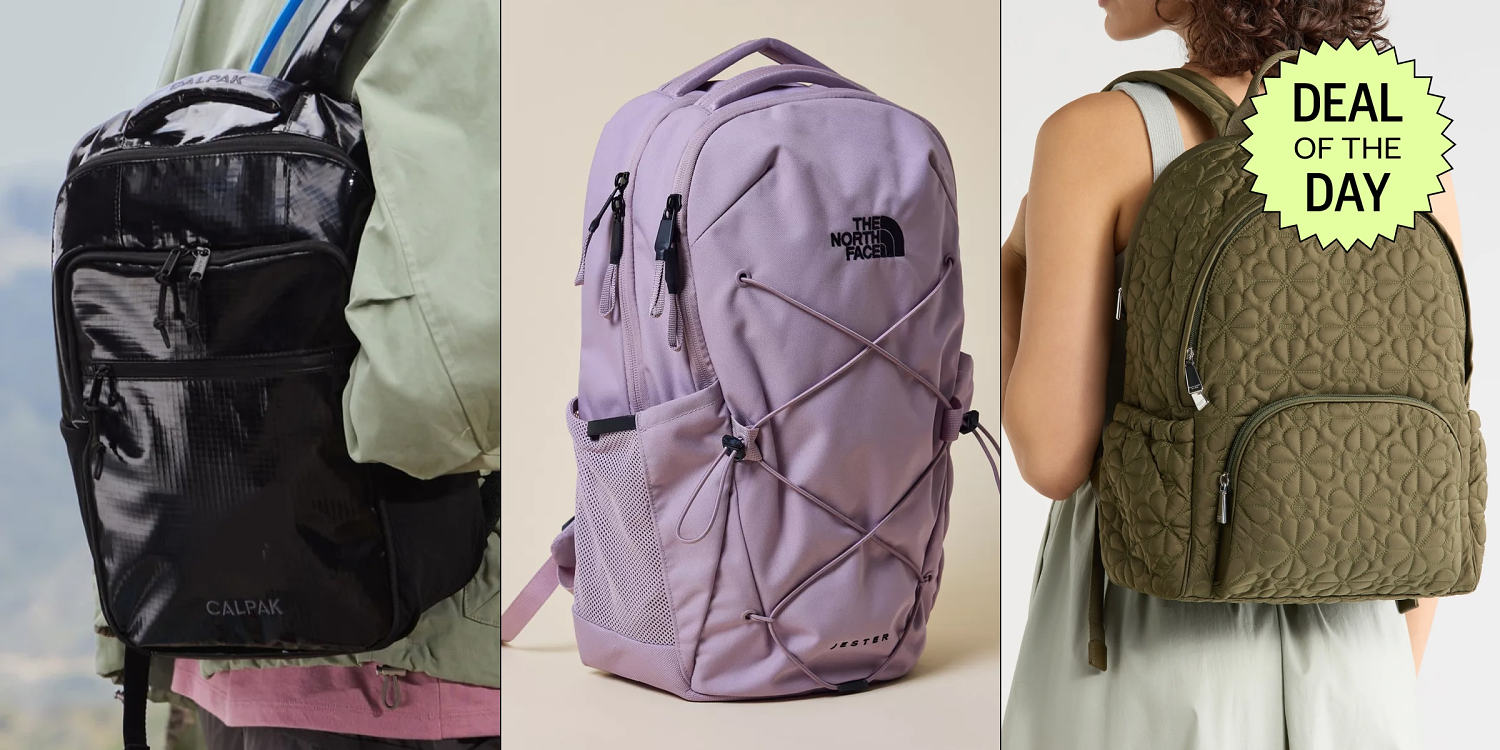
Back to school shopping season arrives with a predictable roar of flashy advertisements and staggering discounts. Retailers plaster digital billboards and storefront windows with promises of massive markdowns on student gear. A trendy carryall slashed by seventy percent looks like a financial victory for any household budget. Parents and students rush to claim these apparent bargains before stock runs out.
Beneath the shiny veneer of seasonal sales lies a quieter, more costly reality. Those steep discounts rarely reflect genuine savings on high-grade manufacturing. Instead, they represent a calculated shift in production standards designed to move inventory fast while cutting corners where consumers cannot immediately see the damage.
The Economics of Massive Markdowns
Manufacturing a durable backpack requires specific inputs. Heavy-duty canvas or high-denier ballistic nylon costs money. Reinforced stitching, YKK zippers, ergonomic back panels, and padded shoulder straps demand precise labor and quality raw materials. When a brand slashes the price of a standard school bag by seventy percent, basic math reveals a stark truth. The item could never have been worth its inflated original price tag, or the manufacturer stripped out every expensive component to protect profit margins at the clearance level.
Retail pricing strategies rely heavily on perceived value. By inflating the initial retail price, companies create an illusion of luxury and longevity. When the price plummets to a fraction of that figure, buyers experience a rush of opportunistic satisfaction.
Cheap synthetic fabrics degrade rapidly under everyday strain. Textbooks are heavy, binders have sharp corners, and school lockers are cramped. Zippers fail after a few months of daily tugging. Seams fray at the stress points where shoulder straps meet the main compartment.
- Thin Polyester: Often substituted for nylon, tearing easily under moderate weight.
- Unbranded Zippers: Prone to splitting and tooth misalignment within weeks.
- Minimal Padding: Leads to shoulder strain and discomfort during long walks.
Planned Obsolescence in Student Gear
Modern consumer goods are rarely built to last a decade. The student accessory market operates on a cycle of yearly replacement. If a backpack survives all four years of high school, the brand loses a returning customer. By engineering bags with built-in failure points, companies ensure a steady stream of annual sales.
This disposable model creates an invisible financial drain. Buying a deeply discounted bag every single August adds up quickly over a student's academic career. Spending twenty dollars annually on subpar gear costs more over time than investing a larger sum once in a resilient, lifetime-warranty product.
Environmental costs compound the monetary waste. Millions of discarded bags end up in municipal landfills every year because repair costs exceed the price of replacement. Synthetic textiles do not biodegrade easily. The lifecycle of fast retail accessories is a linear path from factory floor to trash heap, fueled by seasonal marketing blitzes.
Anatomy of a Reliable Carryall
Recognizing quality requires looking past aesthetic trends and marketing jargon. True durability is found in the physical construction of the product. Inspecting a bag before purchase means examining the details that manufacturers often hide or minimize.
Stitch density is the primary indicator of longevity. Count the stitches per inch along the main load-bearing seams. Higher density means stronger construction. Look for bar-tack stitching at the base of the straps. This specific zigzag pattern distributes tension across a wider surface area, preventing the straps from ripping away from the body of the bag under heavy loads.
Fabric weight matters immensely. Denier ratings measure fiber thickness. Anything under six hundred denier in a daily school bag will likely wear through within a single academic year. Look for cordura or heavy canvas treatments that resist abrasion and moisture.
Water resistance is another critical factor. Students walk through rain, spill drinks, and drop bags on damp ground. Quality gear features interior polyurethane coatings or dense weaves that protect electronics and paper goods from sudden moisture exposure.
Breaking the Cycle of Consumerism
Stepping off the treadmill of annual replacements requires a fundamental shift in purchasing habits. Ignore the urgency manufactured by seasonal sales events. Assess actual utility rather than superficial style trends that shift every few months.
Independent gear makers and heritage brands often reject the fast-fashion model. They use robust components and offer repair services rather than encouraging disposal. While the initial investment stings, the long-term savings become obvious by year three.
Evaluate your actual daily load before making a choice. Overloading a poorly designed bag causes physical discomfort, leading to poor posture and chronic back pain. Ergonomics are not a luxury feature. They are a physiological necessity for growing bodies carrying heavy academic loads five days a week.
Next time a clearance banner flashes across a screen promising unbelievable price cuts on student essentials, pause. Look past the percentage sign. Calculate the true cost of convenience, and choose the construction that outlasts the hype.