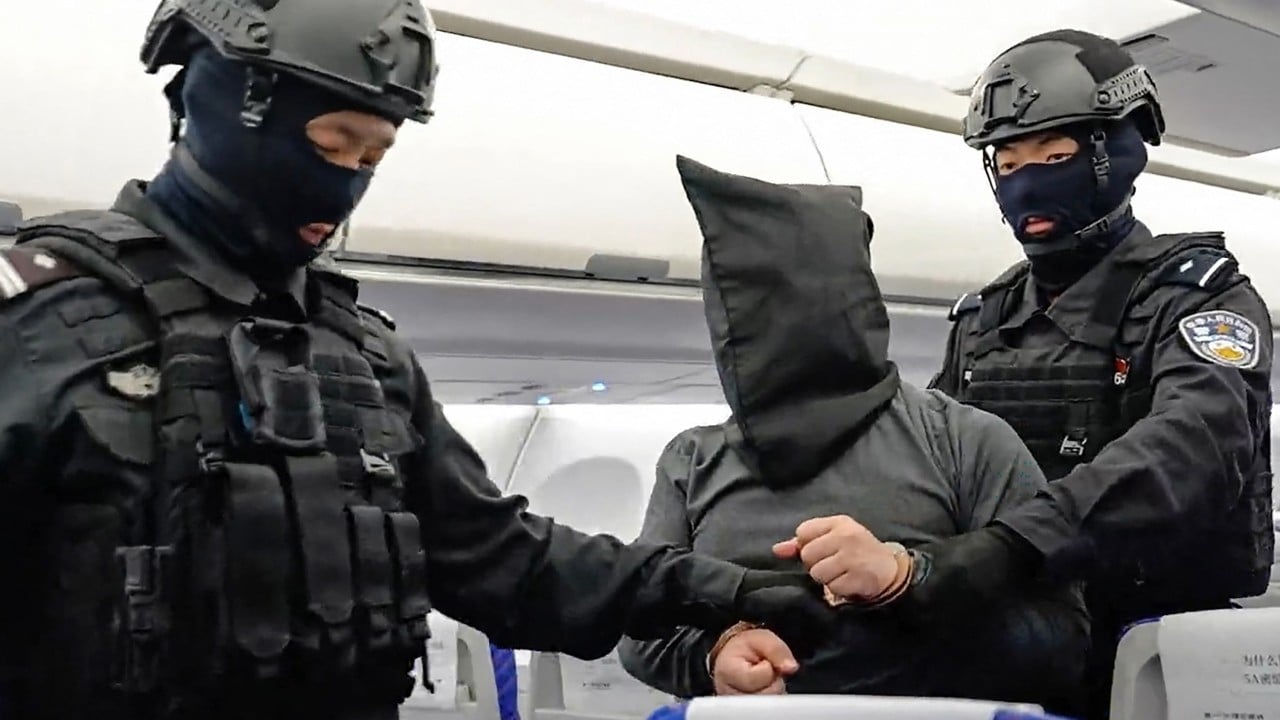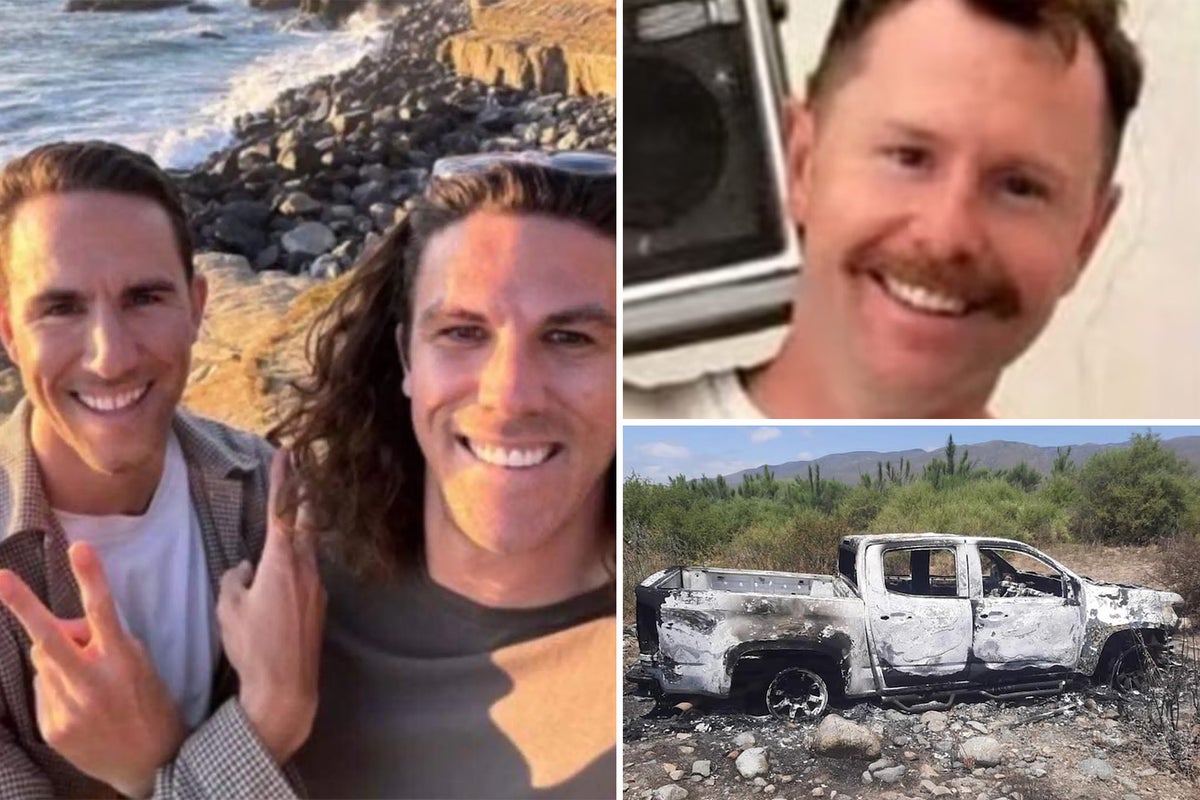
Three men sat inside an Ensenada courtroom on a Monday in September 2026, facing charges for a crime that reduced human life to the scrap value of high-end truck tires and mobile phones. Two years after Australian brothers Callum and Jake Robinson and their American companion Jack Carter Rhoad were executed on a remote Baja California beach, their alleged killers finally stood trial. The trial opened not with sweeping revelations of cartel conspiracies, but with a sordid narrative of petty greed.
The murders of the three surfers in April 2024 exposed a grim reality about modern coastal crime in Mexico. Tourists often fear the grand, abstract menace of major drug cartels, picturing crossfire in border towns or high-stakes territorial wars. Yet the actual danger frequently stems from fragmented, opportunistic local predation. A pristine stretch of Pacific coastline, a white pickup truck, and a pair of expensive smartphones became the fatal intersection of foreign leisure and local desperation.
The Anatomy of an Opportunistic Execution
According to prosecutors in Baja California, the fatal sequence began when a local woman named Ari Gisel Garcia Cota spotted the tourists camping near Ensenada. Noticing their gear, their phones, and the tires on their vehicle, she allegedly incited her partner, Jesús Gerardo García—known locally as "El Kekas"—and two other men to carry out a robbery.
What was planned as a theft quickly escalated into a massacre. When the surfers resisted losing the truck that served as their mobile base, the assailants shot all three men in the head. To conceal the carnage, the killers dragged the bodies down a steep incline, dumping them into a secluded cliff-top mine shaft, and torched the pickup truck.
The trial proceedings laid bare the casual brutality of the local underworld. During the opening hearings, the stepson of one of the defendants testified from behind a concealed partition in an adjoining room. He recounted accompanying the group to the campsite, waiting nervously nearby, and hearing the sudden eruption of violence. When he tried to flee the immediate area, the perpetrators reeled him back in with a chilling mandate, warning him that the fate of the "gringos" awaited anyone who spoke of the slaughter.
This testimony underscores a disturbing institutional decay within marginalized coastal communities. The primary conspirator, Garcia Cota, received a twenty-year prison sentence after confessing that she instigated the robbery for minor material gain. Twenty years. That is the judicial valuation placed on the lives of three promising young men—a professional lacrosse player, an incoming medical doctor, and an engaged small-business owner preparing for marriage.
The Myth of the Untouchable Tourist Zone
For decades, international tourism marketing has promoted the Baja Peninsula as an accessible, rugged playground for American and Australian expats, surfers, and weekend road-trippers. Billboards and travel blogs paint a picture of endless waves, craft breweries, and bohemian beach camps.
That marketing obscures a fractured security landscape. While major cartels often enforce a strict code of non-interference regarding foreign tourists to avoid drawing intense federal and military crackdowns, that protective bubble is entirely porous. Micro-criminality operates independently of cartel directives. Drug addiction, petty theft, and cheap firearms create a volatile ecosystem where foreign plates and high-end camping gear mark travelers as moving targets.
Consider the historical precedent. Nearly a decade prior, two other Australian surfers, Dean Lucas and Adam Coleman, were murdered under eerily similar circumstances while traveling through the northwestern state of Sinaloa. Their vehicle was intercepted, they were killed, and their bodies were burned. Despite periodic promises from Mexican authorities to secure major tourist corridors, remote camping spots along the Pacific remain perilous voids where law enforcement is hours away and emergency response is effectively nonexistent.
The families of the victims have been forced to navigate this grim theater of justice themselves. Debra and Martin Robinson, parents of Callum and Jake, traveled from Western Australia to sit in the Ensenada courtroom. Images of Debra staring fixedly at the accused men before breaking down in tears capture the human cost of structural impunity. They did not come for political statements. They came because social media activism and international pressure were the only reasons local police launched an effective search in the spring of 2024, and they refuse to let the judicial process drift into obscurity.
The Cost of Isolation
The tragedy of the Ensenada killings forces a hard calculation about modern adventure travel. The allure of the undiscovered wave or the secluded beach camp relies entirely on isolation. Yet that very isolation strips away the basic safety nets of civilization.
When travelers venture off the primary toll roads into remote coastal pockets, they enter spaces governed by local strongmen and ad-hoc criminal networks. In these zones, an expensive set of all-terrain tires or a late-model smartphone represents months of local wages. The wealth disparity between a group of Western surfers on holiday and local residents mired in extreme poverty creates an immediate, dangerous friction.
As the trial moves through its scheduled phases in Baja California, it will inevitably produce convictions. The evidence presented by prosecutors, including the corroborating witness testimony and the prior confession of the co-conspirator, leaves little doubt about the guilt of the men in the dock. Yet locking up three individuals does nothing to alter the structural conditions that allowed the murders to happen in the first place. The remote beaches of the Pacific coast remain as isolated as they were two years ago, and the economic desperation driving local predators has only intensified against the backdrop of ongoing regional conflicts. The legal proceedings offer closure for grieving families, but the underlying vulnerability of the open road remains entirely unchanged