Strategic missile defense in the Arabian Peninsula operates under an asymmetric economic and logistical equation. When Houthi forces execute long-range vector targeting against critical infrastructure in Riyadh, such as King Khalid International Airport and financial nodes, the mechanics extend far beyond immediate kinetic impact. The tactical reality relies on a high-cost interceptor model deployed against low-cost offensive delivery systems, exposing structural vulnerabilities in regional air defense economics.
The Cost Function of Asymmetric Munitions
The economic asymmetry underpinning modern missile defense defines the upper bound of protracted conflict. Offensive platforms utilized in cross-border strikes—such as delta-wing loitering munitions or modified liquid- and solid-propellant ballistic missiles—rely on commercially available components and low manufacturing overhead. Conversely, the kinetic interceptors required to neutralize these vectors at altitude, including Patriot PAC-3 and associated layered architecture components, incur multi-million-dollar unit costs. Building on this theme, you can find more in: Why Exercise Yudh Abhyas 2026 is a Multi Billion Dollar Exercise in Mutual Delusion.
This financial divergence introduces a systemic strain on defense logistics:
- Cost Disparity: The expenditure ratio heavily favors the offensive actor, requiring defenders to deplete high-value stockpiles to neutralize inexpensive hardware.
- Supply Chain Velocity: Replenishment timelines for advanced guidance and propulsion components of interceptors outpace the production rates of expendable tactical missiles.
- Exhaustion Thresholds: Sustained operational tempos force military planners to calculate saturation limits, balancing asset preservation against civilian and infrastructural exposure.
Kinetic Interception Mechanics and Interception Envelopes
Intercepting medium-range ballistic vectors targeting dense urban or industrial centers involves strict aerodynamic and thermodynamic parameters. When incoming payloads cross the threshold toward high-density population zones, the engagement window narrows to minutes. Observers at The Washington Post have also weighed in on this matter.
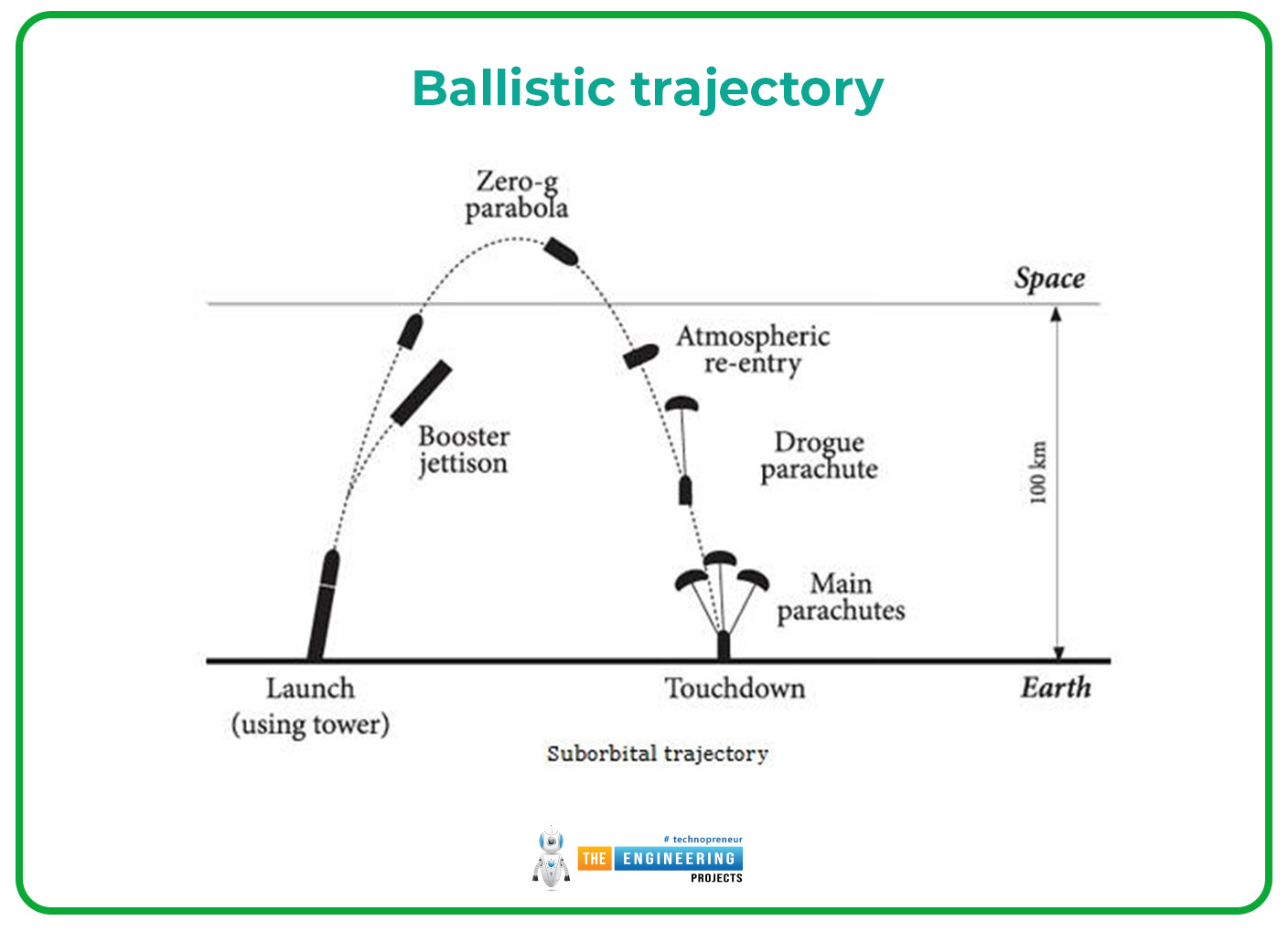
[Launch Vector] ---> [Mid-Course Trajectory] ---> [Terminal Phase / Interception Zone] ---> [Target Area]
The success of the interception relies on three distinct operational variables:
- Radar Horizon and Early Warning: Detection relies on ground-based phased-array radar systems tracking the parabolic arc of the ballistic projectile during its boost and early mid-course phases.
- Hit-to-Kill Precision: Modern interceptors do not rely purely on proximity fragmentation warheads; they utilize direct kinetic impact (hit-to-kill technology) at hypersonic velocities, demanding microsecond-level telemetry adjustments.
- Debris Dispersion Fields: Destroying a ballistic missile at terminal altitude does not eliminate kinetic momentum. The resulting debris cloud retains forward velocity, creating secondary impact hazards over populated sectors even when interception succeeds.
Strategic Objectives Beyond Kinetic Impact
Houthi cross-border targeting strategies are rarely designed to achieve tactical military dominance through physical destruction alone. Instead, the operational utility of launching ballistic vectors toward capital infrastructure functions through three distinct pressure mechanisms:
- Economic Friction: Temporary disruptions to aviation hubs, logistics corridors, and energy processing facilities elevate insurance premiums and capital risk profiles across the region.
- Resource Diversion: Forcing coalition air defense networks into a persistent defensive posture drains localized interceptor inventory, creating strategic trade-offs between protecting urban centers and securing remote oil extraction assets in the Eastern Province.
- Signaling and Escalation Control: Projecting long-range capabilities serves as a bargaining lever during diplomatic stalemates, establishing a persistent baseline of instability that impedes regional normalization frameworks.
Operational Forecast
The continuation of cross-border missile and drone activity dictates that air defense integration must shift from purely reactive kinetic interception toward proactive counter-force operations targeting mobile launch infrastructure at its source in Yemen. Without neutralizing the transport-erector-launcher (TEL) units prior to ignition, the defensive posture remains structurally reactive, bounded by the economic limits of missile defense inventory replenishment.
--- Fubu Toy review ---
This video provides an in-depth analysis of the geopolitical and military implications surrounding Houthi missile strikes on Saudi Arabia and their broader regional impact.