Torrential downpours don't just swamp city streets; they break aviation hubs. When over 330 millimeters of rain pounded the Thai capital in late September, the immediate casualty wasn't just downtown traffic—it was international connectivity. At least 21 flights connecting Hong Kong and Bangkok faced severe delays, leaving travelers stranded for hours and exposing the fragile operational chain linking ground transport to airport tarmac efficiency.
If you're wondering how heavy monsoon rains can completely cripple international travel schedules even when airport runways remain officially open, the answer lies behind the scenes. Let's break down why these disruptions happen and what you need to know if you're flying through Southeast Asia during extreme weather.
The Real Culprit Behind Airport Gridlock
Most passengers assume that if an airport stays open, planes will fly. That's a dangerous misconception. During the Bangkok floods, Suvarnabhumi and Don Mueang airports technically kept their doors open, but the city around them was drowning.
The primary bottleneck wasn't water on the tarmac. It was the staff and luggage getting to the planes. Flooded roadways trapped airport employees, ground handlers, and airline crew members in massive traffic snarls across the city. Without enough hands to load baggage, sort cargo, and clear aircraft, airlines hit a wall.
Almost 100 percent of flights during the peak of the crisis experienced rolling delays, with fewer than three percent leaving on schedule. Some passengers heading to regional hubs found themselves waiting at boarding gates for over fourteen hours without clear updates.
Why Hong Kong Routes Took a Heavy Hit
As a major financial conduit and transit point, the Hong Kong-Bangkok corridor handles massive daily passenger volumes. When operational capacity at Suvarnabhumi collapsed, high-frequency routes bore the brunt of the schedule adjustments.
Airlines prioritize long-haul routes or decide to cancel rotations entirely to reset their flight schedules. This left travelers bouncing between Hong Kong and Bangkok facing compounding delays. One Hong Kong-bound service experienced a nearly 24-hour delay, transforming a quick regional hop into an endurance test.
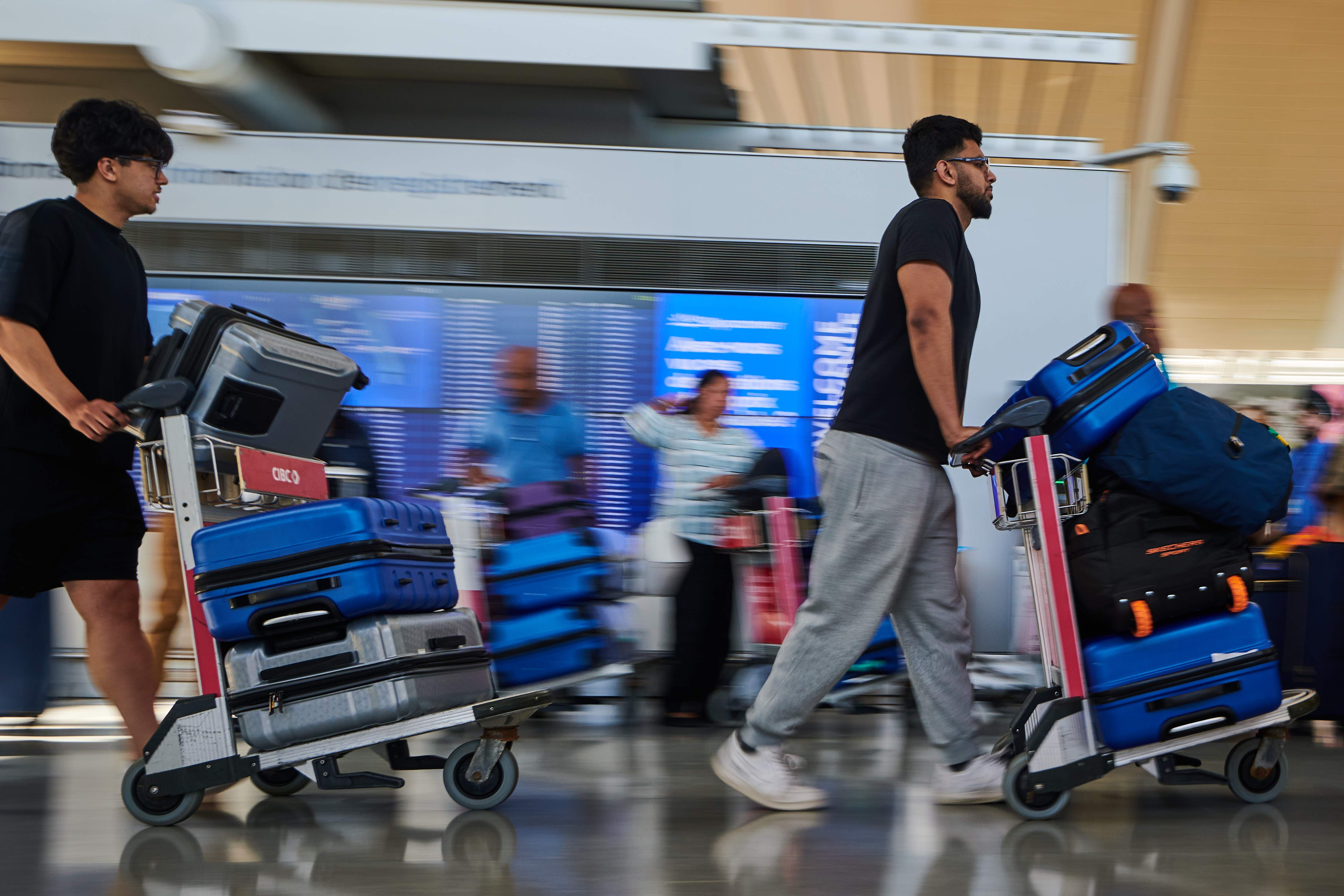
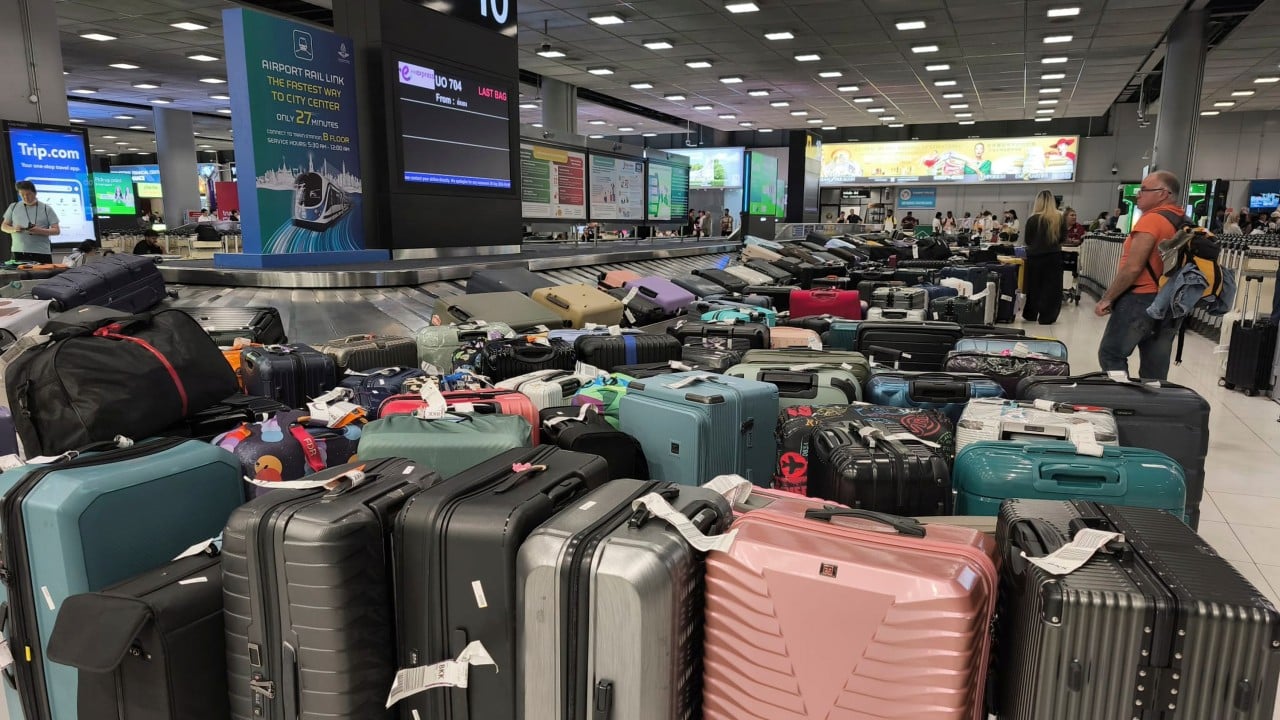
Ground handling agencies had to draft auxiliary personnel—including military assistance—just to sort the mountains of stranded luggage piling up in the terminals. When baggage systems fail, planes can't depart safely, creating a domino effect across international airspace.
What Most Travelers Get Wrong About Weather Delays
People tend to blame the airline when a flight is delayed on a clear, sunny morning at their destination. They forget that aviation is a networked system.
If an aircraft scheduled to fly from Hong Kong to Bangkok is stuck on the ground in Thailand because airport staff can't get through flooded highways, that plane cannot operate its return leg. Airlines can't magically materialize spare aircraft or crews out of thin air.
- The physical runway status doesn't equal operational capacity. An open airport means nothing if ground transport is paralyzed.
- Baggage logistics dictate departures. Security rules prevent planes from flying without proper baggage reconciliation, creating massive logjams when handlers can't reach the airport.
- Compensation rules vary. Weather-related disruptions are typically classified as extraordinary circumstances, meaning standard cash compensation policies often don't apply, though airlines must provide basic care like food and hotel vouchers during extreme waits.
How to Protect Your Itinerary When Monsoons Strike
You can't control the weather, but you can stop weather anomalies from ruining your trip. Stop relying on last-minute connections when traveling through tropical hubs during peak rainy seasons.
Build buffer days into your schedule if you're catching a long-haul flight or connecting to an important business meeting. Monitor local transport conditions, not just airport weather reports. If major highways into the city are submerged, expect ground staff shortages regardless of what the airline's app says.
Keep essential medications, chargers, and a change of clothes in your carry-on bag. If luggage sorting systems break down, your checked bags might take days to catch up with you. Stay proactive, watch local aviation updates closely, and always have a backup plan before heading to the terminal.