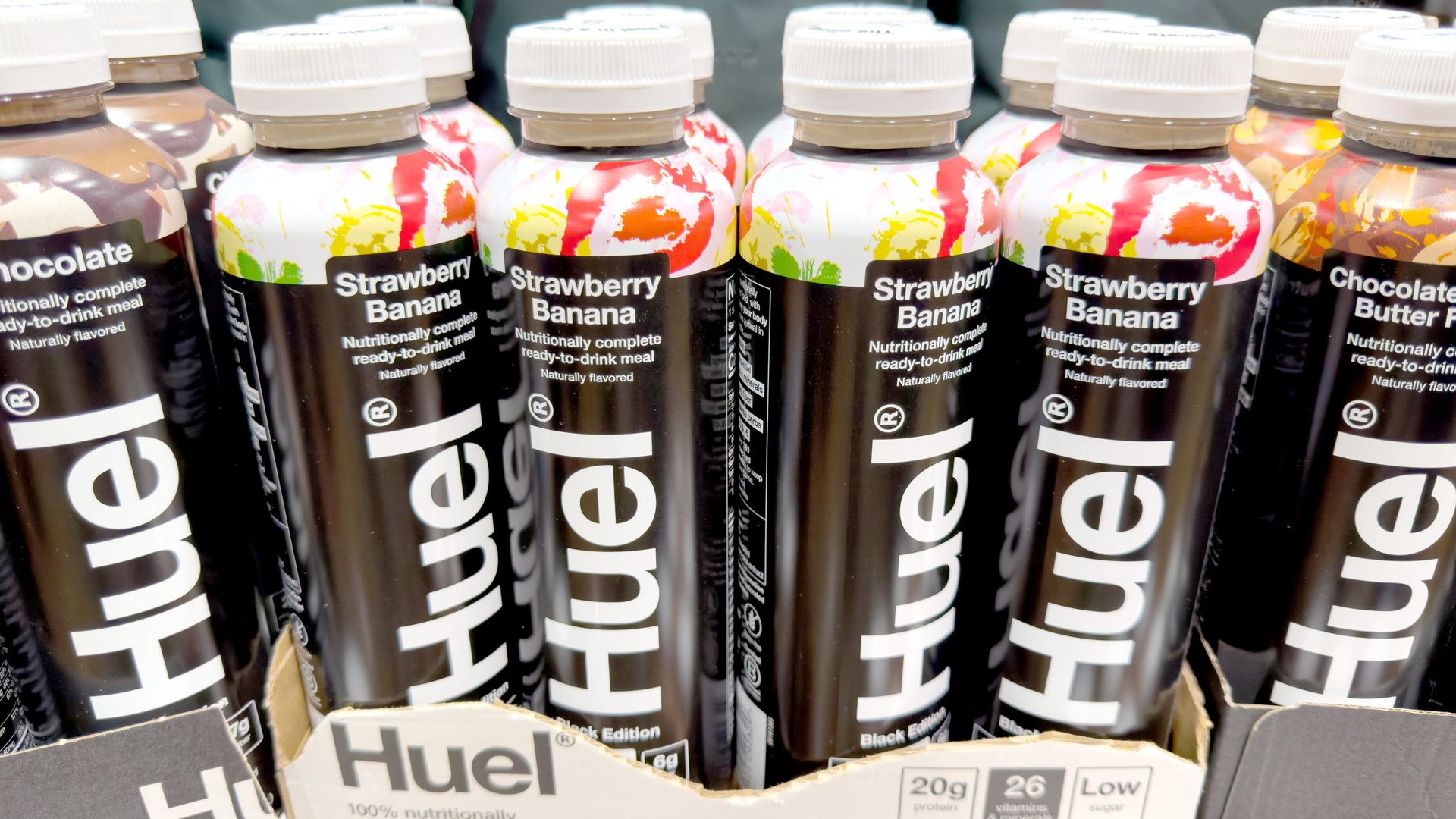
Regulators love to protect consumers from things that require basic math. The Advertising Standards Authority recently dropped the hammer on Huel, declaring claims about complete nutrition and meal replacement irresponsible. The charge sheet sounds noble on paper. It accuses the brand of encouraging poor dietary habits and pushing quick fixes.
Look past the bureaucratic hand-wringing. This ruling has nothing to do with public welfare and everything to do with protecting an entrenched culinary cartel.
We live in a culture that worships the ritual of three square meals a day, regardless of whether those meals consist of processed garbage grabbed from a drive-thru lane or a sad desk salad drenched in soybean oil. Yet the moment a company condenses macro and micronutrients into a stable powder, the cultural gatekeepers clutch their pearls. They scream about the loss of culinary culture.
Here is the dirty secret the critics refuse to acknowledge. Most modern diets are absolute nutritional disasters. The average citizen stumbles through the day fueled by caffeine, ultra-processed snack cakes, and a staggering deficiency in fiber, potassium, and magnesium. Millions suffer from chronic fatigue and metabolic derangement because preparing a balanced, whole-food meal three times a day requires resources most working adults simply do not possess.
When a regulatory body bans an ad for calling a meal replacement a complete meal, they are not defending your health. They are defending the comforting illusion that traditional eating habits are inherently superior, even when those habits produce an epidemic of chronic illness.
The Myth of the Sacred Kitchen
Food marketing has successfully brainwashed the public into believing that virtue lives exclusively in the kitchen. If you spend forty minutes chopping vegetables, searing grass-fed proteins, and crafting a homemade vinaigrette, you are participating in a sacred act of self-care. If you pour a scoop of scientifically formulated powder into a shaker bottle with some water, you are committing a moral failing against gastronomy.
This is aesthetic snobbery disguised as nutritional science.
Nutrient delivery systems do not care about your emotional connection to grandma's casserole. Your cells require a specific ratio of amino acids, essential fatty acids, vitamins, and minerals. They do not possess a sentimental attachment to the stove. When you strip away the cultural conditioning, food is fuel with complex psychological baggage.
I have watched executives and founders burn millions of dollars trying to optimize their productivity while maintaining a pristine, Instagram-ready diet of organic kale and artisanal bone broth. They crash by three in the afternoon because managing the logistics of pristine nutrition while running a business is an unforced error. They treat eating like a hobby when they should treat it like infrastructure.
Critics argue that meal replacements detach humans from real food. Good. Real food, as currently sold in ninety percent of the supermarket, is a masterclass in engineered hyper-palatability designed to bypass your satiety cues and empty your wallet. The average grocery store aisle is a minefield of corn syrup derivatives and trans fats wrapped in earth-toned packaging that whispers about sustainability.
Deconstructing the Nutritional Panic
Let us examine the core anxiety driving the advertising watchdogs. They claim that marketing complete nutrition encourages disordered eating or skipping meals.
This argument collapses under the weight of basic statistics. The population does not need protection from meal replacements; the population needs protection from the standard Western diet. When an ad states that a shake contains twenty-six essential vitamins and minerals, it is providing a quantifiable metric. Compare that to the local bakery muffin, which contains zero verified micronutrient disclosures and enough refined sugar to induce a localized seismic event, yet sails through regulatory approval without a whisper of protest.
The double standard is breathtaking. You can market a frozen pizza loaded with sodium and saturated fat with a smiling family gathered around the television, and regulators yawn. But dare to suggest that a scientifically balanced powder can replace breakfast or lunch with optimal efficiency, and the legal machinery grinds into motion to protect the sanctity of the lunch hour.
This is protectionism for the agricultural status quo. Big Food profits immensely from the friction of modern eating. They want you buying perishable goods that rot in your crisper drawer so you have to throw them away and buy more next week. They want you stressed, rushed, and dependent on convenience foods that offer maximum calories with minimum nutritional return.
Efficiency threatens this entire ecosystem. A consumer who can solve their midday nutritional requirements in thirty seconds with a shaker bottle is a consumer who has opted out of the consumerist food trap.
The Downside of Reductionism
Intellectual honesty requires admitting the limits of any radical model. Liquid and powdered nutrition is not a panacea, and pretending otherwise is sloppy thinking.
There is a psychological cost to abandoning the physical act of chewing and masticating whole foods. Chewing triggers cephalic phase responses, sending hormonal signals to your digestive tract that prepare your body for processing nutrients. Chronic reliance on entirely liquid diets can alter gut motility and compromise microbiome diversity if the fiber matrix is poorly engineered. Furthermore, human beings are social animals. Breaking bread with colleagues or family members serves a tribal, bonding function that no shaker bottle can replicate.
Ignoring these variables leads to sub-optimal outcomes. Using meal replacements for every single calorie of every single day strips the joy out of eating and introduces compliance fatigue. Most people will eventually crack under the monotony and swing violently back toward chaotic eating habits.
The correct mental model is not replacement as dogma; it is replacement as leverage.
Engineering Your Intake
Stop treating meals as an emotional performance. Treat them as a logistical input.
If you view nutrition through the lens of engineering, the solution becomes obvious. Reserve your culinary rituals for the moments that matter, such as a weekend dinner with friends or a quiet Sunday morning cooking process. For the Tuesday at 1:00 PM when you are drowning in a backlog of work and facing a choice between a processed sandwich from a vending machine or a skipped meal, deploy the engineered option.
The regulatory bodies will continue to fight rear-guard actions to preserve a romanticized past that no longer exists for the modern workforce. Let them write their warning letters and slap fines on companies for telling straightforward truths about nutrient density.
The future belongs to those who ruthlessly optimize their friction points. Fuel your biology with precision, ignore the culinary moralists, and keep your shaker bottle on your desk.