Becoming a Danish citizen isn't just about filling out forms and waiting your turn. It's a multi-year obstacle course where moving goalposts, strict tests, and shifting political winds can trip you up even after a decade of living in the country.
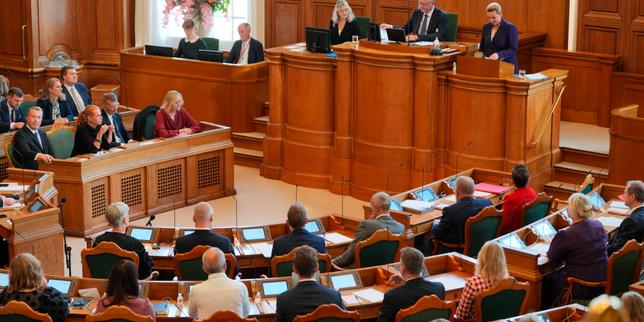
If you're aiming for Danish naturalisation, you're dealing with one of Europe's toughest systems. Unlike countries where citizenship is a straightforward administrative right once you meet basic criteria, Denmark grants naturalisation through statutory bills passed by the Folketinget, the Danish parliament. Your name has to land on a bill. Parliament has to vote it through. And rules can tighten while you're already in line. For a deeper dive into similar topics, we suggest: this related article.
Let's be honest about what that means on the ground. You can do everything "right"—pay taxes, learn the language, keep a clean record—and still hit brick walls you didn't see coming.
Why Danish Naturalisation Trips Up So Many Long-Term Residents
Most newcomers assume that once they get permanent residency, citizenship is just a formality. Wrong. In Denmark, permanent residency is really just the starting gate for the citizenship race. For broader context on the matter, in-depth reporting is available on NBC News.
Under standard naturalisation rules, you generally need to hold a permanent residence permit for at least two years before a naturalisation bill passes, while refugees and stateless applicants typically face a one-year minimum after permanent residency. Getting that permanent permit in the first place already requires eight years of uninterrupted legal residence for most people—or four years if you clear tough supplementary hurdles.
Then come the stacked conditions that catch people off guard:
- Language and civics exams: You generally need a high level of Danish—typically Danish language test 2 (Prøve i Dansk 2) or an approved equivalent—plus a pass on Indfødsretsprøven, the citizenship test covering Danish society, culture, and history. That exam asks 45 questions, requires at least 36 correct answers, and includes tricky unprepared questions tied to Danish values and recent current events.
- Self-sufficiency and benefit limits: Relying on certain public assistance under social or integration laws over recent years can block or delay eligibility. Even short stints of support can push your timeline back.
- Employment and clean record checks: Authorities scrutinize work history, public debt, and criminal records with zero wiggle room. Even minor slips or unpaid state debts can stall an application.
- The parliamentary bottleneck: Because naturalisation happens via legislative bills rather than routine court or agency decisions, political gridlock, elections, or crowded legislative calendars can freeze movement for everyone.
For example, processing delays and legislative pauses in 2025 and 2026 left thousands of hopefuls in limbo, showing just how vulnerable applicants are to politics in Copenhagen. When lawmakers shelve bills or pause case processing around elections, your personal timeline gets hijacked by forces outside your control.
The Retroactive Trap Nobody Warns You About
Here's the part that stings most. In many legal systems, the rules in place when you apply—or when you meet the criteria—govern your case. In Denmark, parliament can change naturalisation circular rules, and new requirements can hit pending applications.
Imagine spending years preparing for a test or hitting an employment mark, only for political negotiations to raise the bar before your bill is voted on. It feels unfair because it is. Critics and immigration researchers have pointed out for years that tying citizenship directly to shifting parliamentary majorities creates massive uncertainty and leaves applicants with very little legal recourse when rules tighten mid-stream.
What Actually Matters vs. What People Overthink
People love to obsess over obscure trivia for Indfødsretsprøven. Sure, you should read the official study guide and follow Danish news closely—especially in the months leading up to the spring or autumn exam sitting. Missing a registration deadline or bringing the wrong photo ID to the exam hall is an avoidable rookie mistake, yet it happens every cycle.
In my view, though, test prep isn't where most people actually get burned. Administration and continuity are.
A classic trap is letting a residence permit lapse before filing an extension or permanent residency application. If your legal stay is deemed interrupted, the clock on your residence calculation can reset. Switching relationship sponsors after a divorce or separation can also reset your qualifying timeline depending on how your residence is grounded.
Language is another area where theory clashes with reality. Passing a test proves you can handle structured exam tasks, not that you feel comfortable navigating Danish bureaucracy or workplace nuance. Still, getting your Danish certificate early gives you breathing room when rules or test formats shift.
Debatable Trade-Offs in Denmark's Approach
Supporters of Denmark's strict model argue that high requirements—strong Danish skills, self-support, and clear civic knowledge—encourage long-term integration and public trust in the citizenship system. Since Denmark allowed dual citizenship starting in 2015, becoming Danish no longer forces many newcomers to give up their original nationality, which makes the prize more attractive than it used to be.
On the flip side, opponents and legal observers argue that stacking ever-higher hurdles and freezing files over political timing turns integration into a moving target. When qualified residents wait years without clear predictability, frustration grows—especially among people who already work, pay taxes, and raise families in Denmark. Both sides care about social cohesion, yet they disagree sharply on whether tighter restrictions build belonging or just create long-term second-class status.
Practical Next Steps If You're Pursuing Danish Citizenship
Don't wait until the last minute to map out your timeline. Treat this like a multi-year project with buffers built in.
- Audit your exact timeline on official portals: Check your current residence permit category, CPR registration status, and dates on lifeindenmark.borger.dk and nyidanmark.dk so you know whether you're still working toward permanent residency or counting down the post-permanent window.
- Lock in your Danish certificate early: Aim to pass your required Danish exam well ahead of when you plan to submit your citizenship application, rather than cramming at the finish line.
- Track Indfødsretsprøven dates and ID rules: Put registration cutoffs on your calendar, study the official curriculum alongside daily Danish news, and verify that your photo ID meets exact exam rules before test day.
- Keep your records spotless: Avoid late permit renewals, clear any public debt early, and keep documentation of employment and any public benefits in case eligibility rules are reviewed closely.
- Follow parliamentary and ministry updates: Because naturalisation in Denmark moves with political cycles and ministry circulars, check official updates regularly so a sudden rule change or processing pause doesn't catch you off guard.



