Walk down Kralja Milana or Bulevar Revolucije right after a major political rally in Belgrade, and you'll expect to see torn flyers, broken plastic, and overflowing bins. That's the usual aftermath of heated election cycles in the Balkans. Except recently, something shifted.
Students in Belgrade aren't just marching in protests or debating parliamentary gridlock in smoky cafes anymore. They're grabbing heavy-duty trash bags, brooms, and scrapers to scrub their own city clean. This post-election cleanup wave has caught local authorities off guard and forced older generations to rethink what civic engagement actually looks like in Serbia.
How the Belgrade Student Cleanup Wave Started
Political campaigns in Serbia leave a massive physical footprint. Every municipal and parliamentary election brings tens of thousands of posters plastered illegally over utility boxes, historic facades, and underpasses. Municipal sanitation workers—primarily through Belgrade's public utility company, JKP Gradska čistoća—usually spend weeks trying to peel off hardened wheatpaste and sweep up campaign flyers.
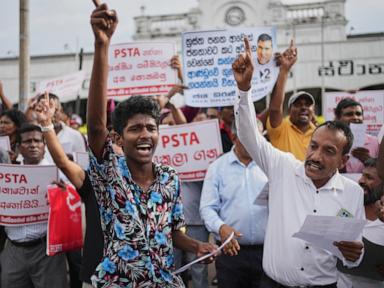
After recent contentious elections and the wave of student-led demonstrations against electoral irregularities, university students decided they wouldn't leave the mess behind. If you've ever watched a protest wrap up in front of the Republic Electoral Commission (RIK) or the Serbian Parliament, you know how quickly a square fills up with water bottles, banners, and leaflets.
Instead of dispersing and letting state media paint demonstrators as vandals, student organizers started staying behind for an extra hour. They brought their own gloves. They sorted recyclables from general waste. Within days, small neighborhood groups across Novi Beograd, Vračar, and Stari Grad turned spontaneous post-rally sweeping into organized weekend cleanups targeting lingering campaign clutter and neglected public parks.
It's Not Just About Picking Up Trash
Let's be honest here. Nobody wakes up on a Saturday morning excited to scrape damp political posters off a concrete lamppost in the cold. The physical act of cleaning is a direct political statement.
In Serbian politics, ruling parties and opposition groups constantly trade blame over who cares more about the country. Students saw right through the rhetoric. By cleaning public spaces themselves, they sent an unmistakable message to city hall and party headquarters: We take better care of Belgrade than the people running it.
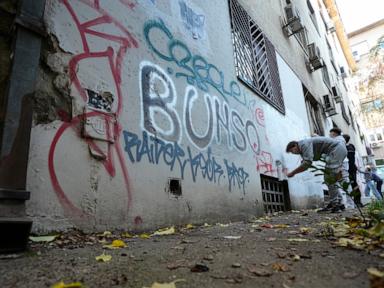
Think about the optics. When protesters leave a street cleaner than they found it, standard political smear tactics fall apart. Critics can't claim students are destroying public property when video footage shows twenty-year-olds scrubbing graffiti off Belgrade University buildings and bagging litter along the Sava riverfront.
Breaking the Apolitical Myth
For years, commentators complained that Serbian youth were completely checked out of public life. You'd hear the same tired line everywhere—that anyone with ambition was just waiting to finish their degree at the University of Belgrade so they could move to Germany, Austria, or Slovenia.
That brain drain is very real. Data from the Statistical Office of the Republic of Serbia and international migration reports consistently show tens of thousands of young, educated Serbs leaving the country annually. Yet the ones staying—and even many preparing to leave—refuse to treat Belgrade like a waiting room. Cleaning up after an election is a way of claiming ownership over a city that often feels unresponsive to young voices.
What Other Cities Across Serbia Are Doing
Belgrade gets the lion's share of media coverage, so it's easy to assume this movement lives exclusively in the capital. It doesn't. Similar student and youth-led cleanups have popped up across Novi Sad, Niš, and Kragujevac.
In Novi Sad, student groups linked with environmental initiatives like Eko Straža and local university faculties have organized targeted sweeps around the campus district and the Danube quay. Down south in Niš, young volunteers focused heavily on removing unauthorized campaign stickers from historic monuments and public transit stops—spots where municipal crews rarely bother doing detailed restoration work.
The coordination happens almost entirely without formal NGO funding or political party backing. Students use Telegram channels, Instagram stories, and Viber groups to drop a pin, list what supplies are needed, and show up. No speeches. No microphones. Just two hours of work and a quick coffee afterward.
The Friction With Municipal Authorities
You might assume city officials would welcome free labor that saves taxpayer money. The reality is a bit more complicated.
Public utility workers on the ground generally appreciate the help. Anyone who has spent a shift hauling heavy bags through Belgrade traffic knows the workload is brutal, especially when staffing shortages hit municipal departments. However, at the administrative level, grass-roots cleanups highlight institutional failures.
When students spend a Sunday clearing out illegal dump sites near student dormitories like Studentski grad in New Belgrade, it exposes the gaps in regular municipal collection. Worse, removing illegally placed campaign materials directly targets the visual dominance of well-funded political machines that plaster every square meter of public space during election season—despite strict city ordinances prohibiting posters outside designated billboards.
Common Misconceptions About Serbia's Youth Movements
If you're following Balkan news from the outside, it's easy to misunderstand what drives these students. Here is what most observers get wrong:
- They aren't taking orders from opposition parties. Most students involved in these cleanups are deeply skeptical of the entire political establishment. They'll scrape off an opposition poster just as fast as a ruling-party banner if it's glued to a historic wall.
- It's not strictly an environmentalist movement. While groups like Eko Straža have raised massive awareness about Belgrade's severe air pollution and river waste, the post-election cleanups are rooted in civic dignity and anti-corruption frustration rather than pure green activism.
- This isn't a one-off viral stunt. Western media loves a feel-good photo op of young people holding trash bags, then forgets about them a week later. In Serbia, these cleanups are tied to ongoing student organizing that spans electoral transparency, university autonomy, and urban planning battles.
How to Support or Join Local Civic Cleanups in Serbia
If you're living in Belgrade or another Serbian city and want to back this momentum without turning it into a political circus, skip the grand gestures and stick to practical steps:
- Follow direct student and local eco channels. Look up verified student faculty accounts and grassroots groups like Eko Straža or Trash Hero Serbia on Instagram and Telegram to catch unannounced weekend cleanup pins.
- Bring heavy-duty gear, not cheap grocery bags. Scraping hardened campaign glue off metal poles requires plastic putty knives, warm water in spray bottles, and thick contractor bags that won't tear when loaded with wet paper and glass.
- Document illegal campaign clutter before removing it. Snap a quick photo with location tags and submit it through Belgrade's Beokom Servis app or local communal inspection channels so there's an official paper trail of municipal violations.
- Keep party branding off the streets. If you show up to help, leave political flags, campaign pins, and partisan slogans at home—the entire strength of this movement relies on staying fiercely independent.
Belgrade's students figured out something older politicians still don't grasp. You don't earn respect by shouting louder on television; you earn it by fixing the mess right in front of your own front door.