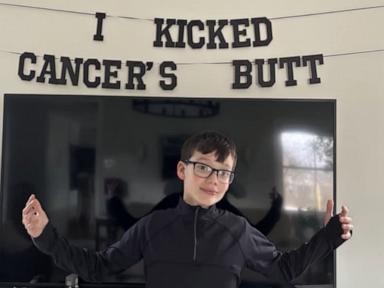
The headlines always favor the miracle. A fourteen-year-old child rings the brass bell in a hospital corridor, confetti drops, and the internet exhales a collective sigh of relief. The narrative is tidy, packaged for mass consumption, and profoundly incomplete.
When a young patient beats pediatric oncology, the public celebration lasts a weekend. The real work begins on the Tuesday after the cameras leave. Modern medicine has achieved staggering victories in remission rates, turning once-fatal diagnoses into survivable events. Yet, the machinery of clinical care often treats survival as an endpoint rather than a protracted transition into an altered biological reality.
Survival carries a price tag paid in installments over decades. To understand what happens after a teenager triumphs over malignancy, we have to look past the institutional optimism and examine the quiet, unvarnished mechanics of post-treatment life.
The Invisible Architecture of Late Effects
Treating a developing body requires blunt instruments. Radiation and heavy chemotherapy do not possess heat-seeking capabilities; they burn pathways through malignant tissue while simultaneously taxing healthy organs, bones, and neurological pathways.
For a fourteen-year-old body, this chemical and radiological intervention alters the blueprint of growth. The human endocrine system, still years away from full maturation, frequently absorbs the collateral damage. Survivors often face delayed growth, fertility challenges, and cardiovascular vulnerabilities that do not manifest until their twenties or thirties.
Cardiotoxicity remains a silent tenant in the bodies of many former oncology patients. Certain chemotherapy classes, notably anthracyclines, weaken heart muscle tissue over time. A teenager who runs cross-country in remission might find their cardiac capacity quietly deteriorating a decade later. Medical providers call these late effects. A more accurate term would be structural debt.
The clinical community has grown increasingly sophisticated in monitoring these risks, but the transition from pediatric oncology units to adult healthcare remains fractured. Insurance models often balk at the long-term, specialized surveillance required to catch secondary cancers or organ degradation before they become critical.
The Psychological Toll of the Resumed Life
Normalcy is a cruel destination for a teenager who has spent formative months staring at sterile hospital walls. While peers navigate the mundane social hierarchies of middle and high school, a cancer survivor returns carrying the psychological weight of mortality.
Anxiety does not dissipate with a clean scan. Every minor ache, bruise, or fatigue becomes a potential harbinger of relapse. This hyper-vigilance infects daily decision-making. Academic milestones are shadowed by the nagging question of whether the future is guaranteed long enough to justify the effort.
Social reintegration presents its own friction. Friends often do not know how to interact with someone who has aged twenty years in perception over the span of six months. Pity is patronizing; indifference feels insulting. The survivor is stranded between two worlds—no longer a sick patient, yet fundamentally alienated from the carefree ignorance of typical adolescence.
Support systems frequently fail at this exact juncture. Hospitals provide robust psychological resources during active treatment, but those services typically evaporate upon discharge. The burden of emotional reconstruction falls squarely on families who are already emotionally depleted.
Reforming the Post-Treatment Pipeline
If modern medicine is going to claim genuine success in pediatric oncology, the definition of treatment must expand. Curing the disease is only the first phase; preserving the quality of the decades that follow is the true test of clinical competence.
Hospitals are slowly experimenting with dedicated survivorship clinics that follow patients well into adulthood, mapping their risks and coordinating specialized care. These clinics track endocrine function, bone density, and psychological health as a unified package rather than fragmented specialties.
Insurance frameworks require an equivalent evolution. Preventive screenings for late effects should be standardized and universally covered, removing the financial friction that currently deters many adult survivors from maintaining rigorous follow-up care.
The resilience of a fourteen-year-old cancer survivor is an undeniable reality, but resilience should not be used as an excuse to neglect systemic support. We owe these survivors more than a temporary headline and a ringing bell. We owe them an infrastructure durable enough to carry the weight of their futures.