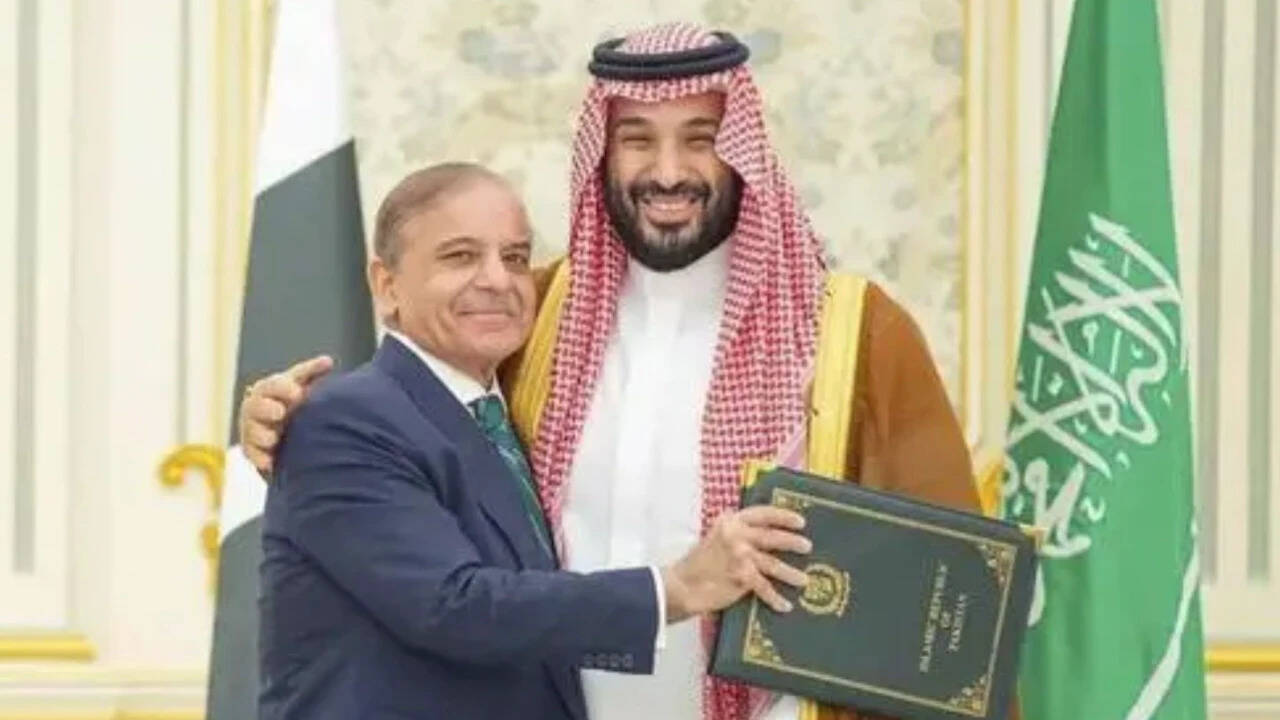
High-level diplomatic summits often function as elaborate stages for political choreography. Leaders gather, flash practiced smiles for international media, and sign sweeping declarations promising mutual prosperity, shared futures, and multilateral cooperation. Prime Minister Narendra Modi's address at the BRICS summit regarding the New Delhi Declaration followed this familiar script. Yet beneath the polished language of solidarity lies a persistent operational failure. The fundamental problem with major international pacts is not a lack of vision. It is the vast, quiet chasm between signing a communiqué and executing tangible policy changes on the ground.
Diplomatic declarations routinely mistake ambition for strategy. When heads of state convene to discuss global governance, supply chain security, or financial architecture, the resulting text reflects the lowest common denominator of agreement among diverse sovereign powers. Nations with competing geopolitical ambitions, territorial disputes, and starkly different economic models must find phrases vague enough to accommodate everyone. This inherent compromise ensures that ambitious statements about shared visions rarely translate into legally binding, time-bound obligations. Don't miss our previous post on this related article.
Consider the mechanics of multilateral implementation. In domestic governance, passing a law requires a legislative framework, a budget, and an enforcement agency. In international diplomacy, particularly within loose coalitions like BRICS, none of these coercive mechanisms exist. There is no central executive authority empowered to penalize a member state for dragging its feet on trade facilitation or currency diversification. Consequently, accountability is entirely voluntary. When a leader calls for time-bound actions, they are acknowledging an uncomfortable truth. Without strict deadlines and independent monitoring bodies, multilateral commitments routinely dissolve into empty rhetoric.
The economic reality facing the bloc further complicates execution. While member nations frequently criticize Western-dominated financial institutions and advocate for de-dollarization, their individual domestic priorities often clash with collective ambitions. One nation might prioritize protecting local industries through stringent tariffs, while another pushes for rapid trade liberalization. These structural contradictions mean that translating high-minded declarations into operational realities requires navigating a maze of conflicting national interests. A shared vision cannot survive when domestic political survival demands protectionism at home. To read more about the history of this, Associated Press provides an informative summary.
Furthermore, institutional capacity varies wildly across the coalition. Proposing digital public infrastructure models or cross-border payment systems sounds straightforward in a summit speech, but the technological readiness and regulatory maturity of each member state differ dramatically. Bridging this gap requires technical assistance, capital transfer, and long-term institutional capacity building—elements that are rarely detailed in broad diplomatic declarations. Without addressing these technical disparities, time-bound targets become unrealistic benchmarks that countries quietly abandon behind closed doors.
History suggests that coalitions bound primarily by what they oppose rather than what they structurally integrate tend to struggle with execution. BRICS functions effectively as a platform for geopolitical signaling, offering an alternative voice to traditional Western alliances. However, turning that rhetorical counterweight into a functional administrative block requires a level of economic alignment that currently does not exist. National sovereignty remains the ultimate priority for every participant, ensuring that collective directives will always take a backseat to domestic political imperatives.
Insisting on accountability and measurable outcomes changes the nature of diplomatic engagement. Instead of measuring success by the length of a final communiqué or the number of bilateral handshakes captured on camera, analysts must evaluate summits based on legislative follow-through and budgetary allocations back home. Until member states establish strict mechanisms for tracking progress and enforcing shared standards, declarations will remain what they have always been. Expensive exercises in political theater, designed to project influence without accepting the hard costs of structural reform.