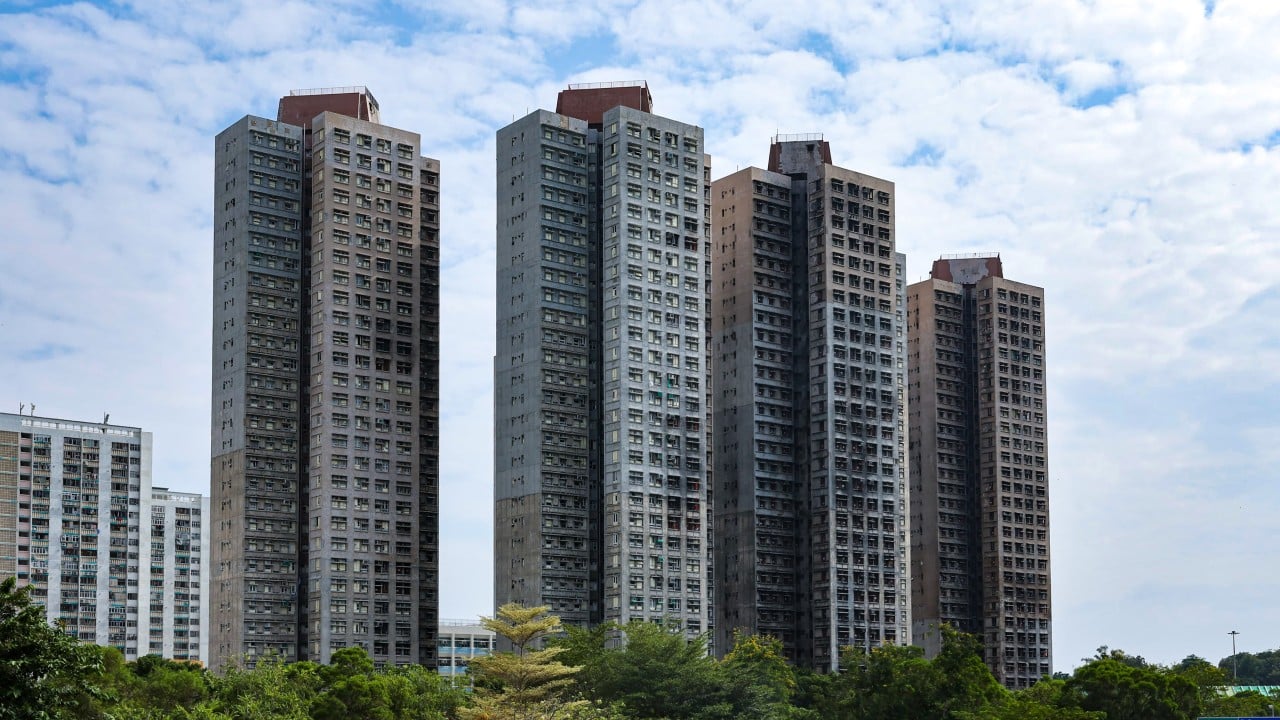
Throwing bigger subsidy checks at Hong Kong’s decaying buildings is like handing an arsonist a bigger can of gasoline and hoping he puts out the fire.
Look at the mainstream cheerleading surrounding the proposal for a new dedicated renovation body offering fatter subsidies to ageing districts. The lazy consensus goes like this: Hong Kong has thousands of dilapidated "three-nil" buildings—structures lacking owners' corporations, residents' organizations, and property management companies. Concrete is spalling. Rebar is rusting. Therefore, the government must step in, create a centralized authority, and open the public purse wider to get the work done. You might also find this connected story useful: The Loneliness of Seventy Million Dollars.
That narrative is dangerously naive. Having spent years watching urban renewal deals get butchered on the ground in Kowloon and Hong Kong Island, I can tell you the bottleneck isn't a shortage of taxpayer cash. It is a broken market structure plagued by bid-rigging syndicates, perverse economic incentives, and the terminal inefficiency of the strata-title system.
Increasing subsidies without dismantling the underlying structural rot will only inflate contractor quotes, enrich middlemen, and trap taxpayers in an endless bailout loop. As discussed in detailed coverage by Investopedia, the results are notable.
The Economics of Bid-Rigging and Subsidy Inflation
In economics, when you subsidize a supply-constrained market dominated by an oligopoly, prices rise to absorb the subsidy. In Hong Kong’s building maintenance sector, we don't just have an oligopoly; we have a notorious history of bid-rigging—locally known as wai biu.
Despite high-profile crackdowns by the Competition Commission and the Independent Commission Against Corruption (ICAC), the mechanics of the renovation racket remain deeply entrenched. Consultancies lowball their initial tendering fees to win the contract to assess a building. Once inside, they inflate the scope of repairs, write bespoke specifications that only allied contractors can meet, and split the windfall.
When a new renovation body announces bigger subsidies, contractors and crooked consultants do not celebrate the public good. They simply adjust their spreadsheets upward.
Imagine a scenario where a standard exterior scaffolding and spalling repair job for a 12-story walk-up in Sham Shui Po realistically costs HK$4 million. Under the current subsidy schemes—such as the Urban Renewal Authority’s (URA) Operation Building Bright 2.0—if the government covers 80% of the cost for elderly owner-occupiers, the syndicate prices the job at HK$6 million. The owners still pay a manageable fraction, the contractor pockets an extra HK$2 million in pure fat, and the taxpayer foots the bill.
Make the subsidy bigger, and that HK$6 million quote magically becomes HK$8 million. You haven't fixed a single extra square foot of concrete; you have merely transferred public wealth into private, often illicit, pockets.
Why "Three-Nil" Buildings Are an Ownership Trap
To understand why a centralized subsidy body fails, you have to look at the legal DNA of Hong Kong real estate. Almost every private residential block in the city is governed by a Deed of Mutual Covenant (DMC) under a strata-title system. Every flat owner holds undivided shares in the land and common areas.
In a "three-nil" building—typically 50 to 70 years old, six to eight stories high, with no elevator—the ownership profile is a nightmare for collective action:
- Absentee Landlords: Investors holding subdivided flats (tong fong) who extract maximum rental yield while refusing to spend a cent on exterior maintenance.
- Asset-Rich, Cash-Poor Seniors: Elderly retirees living on fixed incomes who genuinely cannot afford a HK$100,000 special levy, even if they wanted to pay it.
- Untraceable Titles: Units tied up in probate disputes, owned by defunct shell companies, or held by heirs living abroad who ignore statutory orders from the Buildings Department.
When the government sets up a new body to hand out larger grants, it still relies on these fractured owners to form an Owners' Corporation (OC), agree on a consultant, sign off on tenders, and manage a multi-million-dollar construction project. Expecting a group of octogenarians and hostile absentee landlords to suddenly become savvy construction project managers because the grant size increased is pure fantasy.
I’ve seen building renovations stall for five years over a dispute about the color of lobby tiles while water pours down the main electrical riser. A bigger subsidy check does not resolve governance paralysis.
The Moral Hazard of Rewarding Neglect
Let’s talk about the elephant in the room: property rights and moral hazard.
For decades, Hong Kong property owners enjoyed some of the lowest holding costs in the developed world. Rates and government rent are negligible. Capital gains are untaxed. While owners watched their property values skyrocket over thirty years, many systematically deferred basic preventative maintenance. They treated their buildings like disposable batteries—draining the rental yield until the structure became a public hazard.
Now, when the concrete starts falling onto pedestrians in Jordan or To Kwa Wan, the state steps in to socialize the maintenance costs while the capital gains remain entirely privatized.
Compare this to Singapore’s approach or even standard corporate real estate management. In well-governed jurisdictions, buildings are legally required to maintain a sinking fund from day one, scaled to the age and complexity of the structure. In Hong Kong, an owner can ignore their building for half a century, let it rot until the Buildings Department issues a Mandatory Building Inspection Scheme (MBIS) notice, and then wait for a newly minted government body to subsidize the repair.
If you reward chronic neglect with generous public bailouts, you guarantee more chronic neglect. Every rational investor looking at an ageing tenement will realize that spending their own money on upkeep is a sucker's game when the government is building an institutional safety net to pay for it later.
Answering the Wrong Questions About Urban Decay
When homeowners and policy watchers search for answers on Hong Kong’s ageing building crisis, they usually ask the wrong questions—because the mainstream press feeds them the wrong framing.
"Will a new renovation body speed up repair timelines?"
No. Bureaucracies do not move faster than market incentives; they move at the speed of compliance and risk-aversion. Adding another statutory layer between the Buildings Department, the URA, and the homeowners introduces new vetting bottlenecks, audit trails, and administrative delays. Even if the URA’s Smart Tender platform is expanded under a new umbrella, vetting thousands of contractors takes time. You cannot legislate away the physical shortage of licensed Minor Works Contractors and qualified Authorized Persons (APs) in Hong Kong.
"How much more money do owners need to cover rising construction costs?"
This question assumes construction costs are an external, fixed variable. They aren't. Hong Kong has the highest construction costs in Asia—frequently topping Turner & Townsend’s global indices—largely because of restrictive labor import rules, fragmented subcontracting tiers, and low productivity. Throwing demand-side subsidies at a supply-side labor and productivity crisis only drives contractor day-rates higher.
"Is renovation actually cheaper than redevelopment?"
For buildings over 60 years old with severely compromised structural integrity and zero modern fire-safety compliance, the answer is often no. Keeping a 1960s walk-up on life support through endless subsidized patch-ups is throwing good money after bad. These buildings lack lifts, fail modern barrier-free access standards, and have obsolete drainage systems that become public health hazards during outbreaks. Subsidizing their perpetual survival freezes prime urban land in low-density, unsafe configurations while Hong Kong suffers from an acute housing shortage.
What Actually Works (And Why Politicians Hate It)
If you actually want to fix Hong Kong’s ageing districts, you have to stop treating symptoms with cash and start performing surgery on property governance and market structure. Here is what works—though none of it will win easy applause at a district council meeting.
1. Compulsory Sinking Funds Tied to Property Transactions
Stop making maintenance optional. Amend the Building Management Ordinance to mandate a statutory sinking fund for every building over 20 years old. If an owner refuses to pay their monthly contribution, the management committee—or a court-appointed receiver—should have the automatic right to place a charge on the property title. You cannot sell, refinance, or transfer the flat until the arrears and penalty interest are cleared at closing.
2. Default Receivership for "Three-Nil" Buildings
If a building fails to form an Owners' Corporation and leaves a statutory repair order unfulfilled for more than 12 months, the government shouldn't beg them to take a subsidy. It should automatically appoint a licensed property management firm as a statutory receiver. The receiver executes the repairs using a standardized, government-audited rate schedule and recovers the cost directly from the owners—putting a lien on the flats of those who refuse to pay. The URA and Buildings Department already have powers to carry out default works, yet they use them far too sparingly and struggle with cost recovery. Weaponize the lien system.
3. Standardized, Fixed-Price Framework Contracts
Kill the bespoke tendering model for routine exterior repairs. Instead of letting thousands of amateur owners' committees hire thousands of consultants to write custom tenders, the government should establish a massive panel of pre-vetted, bonded contractors bound by a strict Schedule of Rates (SoR). A square meter of concrete spalling repair or exterior waterproofing costs a fixed, audited price based on building height and access. Remove the pricing discretion, and you starve the bid-rigging syndicates overnight.
4. Lower the Compulsory Sale Thresholds Aggressively—And Let Dying Buildings Die
The government has already moved to lower the compulsory sale thresholds under the Land (Compulsory Sale for Redevelopment) Ordinance for older buildings in designated districts. Push that further. When a building reaches 60 years of age and requires structural repairs exceeding 30% of its rebuilding cost, stop offering renovation subsidies altogether. Redirect those funds toward facilitating site assembly and land swaps so developers—or the URA—can tear down obsolete tenements and build modern, high-density, safe housing.
The Uncomfortable Trade-Off
I will be the first to admit the flaw in this approach: it is politically brutal.
Enforcing strict statutory liens, forcing buildings into receivership, and cutting off renovation subsidies for structurally obsolete tenements will trigger fierce backlash. Media cameras will inevitably find the 82-year-old grandmother living alone in a dilapidated flat in Yau Ma Tei, facing a massive repair bill she cannot pay.
There is a clean, targeted way to solve that without subsidizing the entire market: reverse mortgages and deferred government loans.
If an elderly owner-occupier is genuinely cash-poor, the government should pay 100% of their repair share upfront—not as a free grant, but as a zero-interest loan secured against the property title, payable only when the property is eventually sold or inherited. The grandmother stays in her home for the rest of her life without paying a dollar out of pocket, and the taxpayer recovers the public funds when her heirs cash in on the real estate equity.
That separates genuine social welfare from corporate and investor welfare.
Hong Kong does not need another bureaucratic body handing out bigger checks to patch up 60-year-old concrete. It needs enforceable property obligations, fixed-price contractor frameworks, and the political spine to stop subsidizing decay. Until policymakers stop confusing generosity with governance, the scaffolding will stay up, the quotes will keep climbing, and the concrete will keep falling.