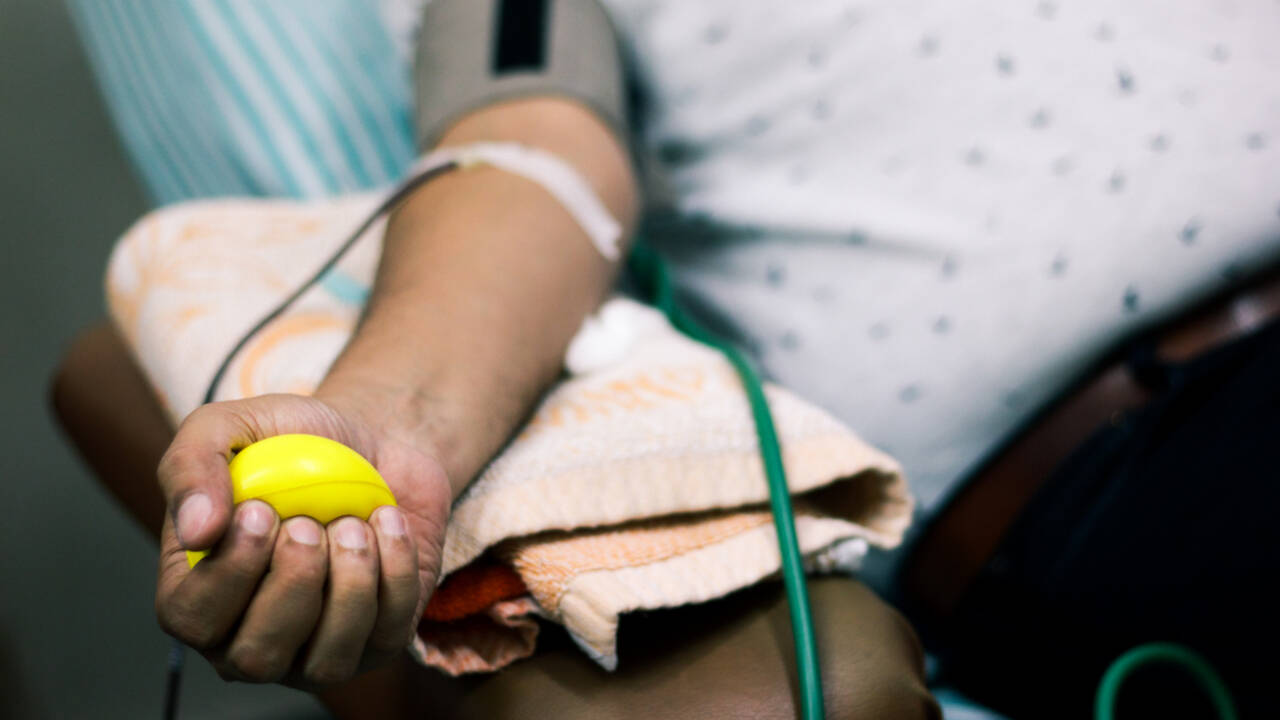
Arthur watches his hands. They are mapped with the geography of eighty-two years—ridges of blue veins, spots like spilled tea, and skin that holds a crease long after he lets go. He remembers when these hands moved with the thoughtless speed of a hummingbird. Now, they are a clock that only winds down. He is witnessing a slow-motion evaporation of himself, a process we have spent ten thousand years calling "natural."
We tell ourselves that aging is an inevitable slide into the shadows. We call it "getting old," as if it were a passive hobby. But on a cellular level, aging isn't just a passage of time. It is a specific, measurable, and increasingly reversible biological failure. The tragedy of the human condition has always been that our minds outpace our machinery. We stay curious, we stay hungry for life, but our cells stop listening to the instructions. You might also find this similar coverage insightful: The Structural Failure of Grace Periods in Health Insurance Markets.
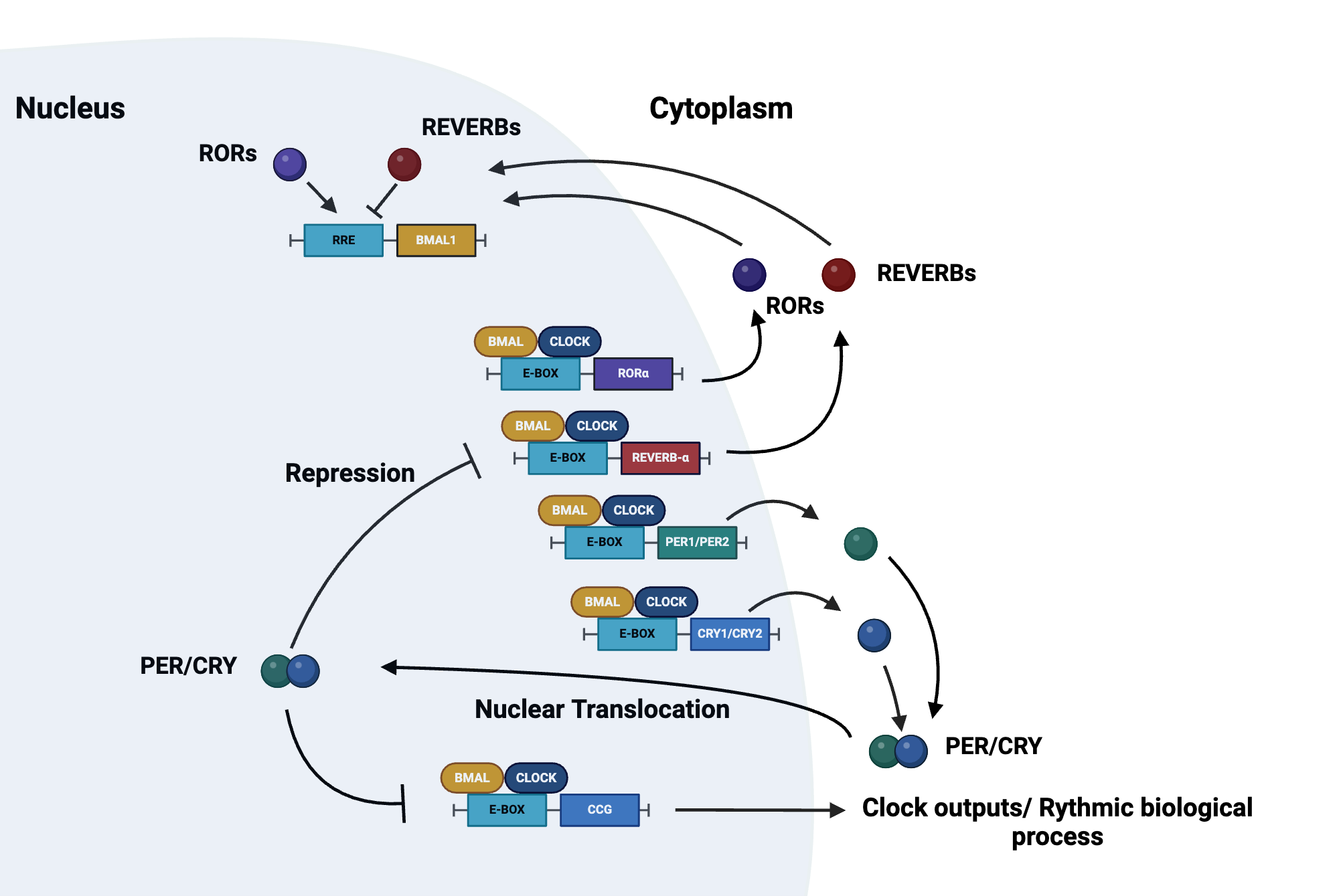
The problem starts with a stutter in the software. Every cell in Arthur’s body carries the exact same genetic code he had as a toddler. The hardware hasn't changed, but the "epigenetic" software—the system that tells a heart cell to beat and a skin cell to shield—has become cluttered with noise. Imagine a pristine vinyl record that has been played too many times. The music is still there, but the scratches are so deep that the needle jumps. Eventually, the melody is lost to the static.
The Great Cellular Identity Crisis
Inside a lab in California, scientists are looking at those scratches through a different lens. They aren't looking for a "cure" for death. They are looking for a way to buff the record clean. As highlighted in latest reports by Healthline, the implications are notable.
This brings us to the work of Shinya Yamanaka. In 2006, he discovered four specific proteins—now known as Yamanaka Factors—that can essentially tell a mature, specialized cell to forget its age. It is a biological "undo" command. In a controlled environment, you can take a skin cell from a centenarian and, by introducing these factors, turn it back into a pluripotent stem cell. It becomes a blank slate. It becomes young.
But there is a catch. If you turn every cell in a living body back into a blank slate, the body ceases to function. You become a mass of undifferentiated tissue. A heart that forgets it is a heart is no longer a heart.
The breakthrough we are seeing now is "partial reprogramming." Instead of resetting the cell all the way back to zero, researchers are pulsing these factors for short bursts. It is like giving a tired, confused cell a weekend at a spa. It doesn't forget its job; it just remembers how to do it without the "noise" of age. In studies involving mice with progeria—a disease of accelerated aging—this technique didn't just make them look better. It repaired their organs. It extended their lives by thirty percent.
The Silent War of the Zombies
Arthur feels the stiffness in his knees every morning. He blames "the weather," but the real culprit is a phenomenon called cellular senescence.
Think of senescent cells as "zombie cells." Normally, when a cell is damaged or reaches the end of its life, it commits a clean, programmed suicide called apoptosis. It disappears to make room for the new. But as we age, some cells refuse to die. They linger like bitter ex-employees who won't leave the office. They don't work, they don't contribute, and worse—they scream. They secrete inflammatory signals that poison the healthy cells around them.
This inflammation is the dark matter of aging. It fuels everything from Alzheimer’s to heart disease. It turns the body into a tinderbox.
Newer therapies, specifically a class of drugs called senolytics, are designed to find these zombies and give them the final nudge they need to exit the building. In clinical trials, clearing these cells out has shown the potential to restore physical function and even improve the elasticity of the cardiovascular system. We aren't just adding years to the end of a life; we are trying to expand the "healthspan"—the period of time where Arthur can actually walk to the park without a cane.
The Invisible Stakes of the Long Game
There is a lingering fear that this is only for the billionaires in their bunkers. We worry that "curing aging" will create a permanent class of immortals while the rest of us suffer the same old fate. This is a valid, gnawing doubt. But history suggests a different path.
Antibiotics were once a miracle for the few. Now, they are a basic human right. Insulin was once a death sentence. Now, it is a managed condition. If cellular rejuvenation becomes a reality, it won't be sold as an "immortality pill." It will be integrated into the way we treat kidney failure, the way we treat macular degeneration, and the way we treat the slow decay of the human brain.
The cost of aging is the single greatest economic and emotional burden on our species. We spend billions on "sick care," trying to patch the holes in a sinking ship after the water has already reached the deck. Rejuvenation biotechnology proposes a radical shift: don't just patch the holes. Strengthen the hull.
Arthur doesn't want to live forever. Ask him, and he’ll tell you he just wants to be able to play the piano again. He wants his fingers to find the chords without the lag, without the dull ache that reminds him he is tethered to a failing machine. He isn't looking for a fountain of youth; he’s looking for the dignity of a body that matches the vitality of his spirit.
The Code Within the Coil
To understand why this is possible, we have to look at the math of our own biology. Our DNA is a massive sequence—roughly three billion letters long. If you typed it out, it would fill a small library. But as we age, the way that library is organized changes.
The DNA stays the same, but the "bookmarks" change. This is the epigenome. Small chemical tags called methyl groups attach to our DNA, effectively locking certain books and opening others. As we get older, the bookmarks start falling out. The cell tries to read the "heart" book but accidentally flips to the "fibrosis" chapter.
$$Age = \sum (\text{Epigenetic Noise}) - \text{Cellular Repair Efficiency}$$
This isn't a mystical curse. It is a biological data-management problem. We are beginning to develop the tools to re-sort the library.
By using mRNA technology—the same platform that allowed us to create vaccines at lightning speed—scientists can now deliver instructions directly to cells, telling them to produce the enzymes needed to clean up those chemical tags. We are learning to communicate with our own biology in its native tongue.
The Resistance and the Reality
It is easy to be cynical. Every decade, a new "miracle" is promised, and every decade, we find ourselves still mourning the people we love. The skepticism is a defense mechanism against the heartbreak of hope.
But the data coming out of labs like the Salk Institute and various longevity startups isn't just "promising." It is transformative. We have seen blind mice regain their sight through epigenetic reprogramming of the optic nerve. We have seen aged muscle tissue regain the strength of a young adult.
The barrier isn't just the science; it's our philosophy. We have spent centuries romanticizing the decline. We find beauty in the fading of the light because we had no other choice. We called it the "natural order." But we also once called smallpox and polio the natural order. We decided they weren't acceptable. We fought back.
The real problem lies in our definition of a disease. Currently, regulatory bodies like the FDA don't recognize "aging" as a condition that can be treated. You have to wait until you have cancer, or diabetes, or heart failure before you are allowed to receive "treatment." This is like waiting for a house to burn to the ground before you're allowed to install a smoke detector.
The movement toward cellular rejuvenation is a movement toward preventative maintenance on a molecular scale. It is the realization that the "symptoms" of old age are actually the late-stage complications of a singular underlying process of cellular decay.
The Evening Light
Arthur sits on his porch as the sun dips below the horizon. The light is amber and long. He knows he might not be the one to benefit from the full realization of this science. He is a bridge between the era of inevitability and the era of intervention.
But imagine his grandson. Imagine a world where turning eighty doesn't mean a retreat from the world. Imagine a society where the wisdom of age isn't trapped inside a fragile shell, but is instead supported by a body that remains resilient, sharp, and capable. We are the first generation in human history to see the clock for what it really is: a mechanism. And once you understand a mechanism, you can learn how to fix it.
The music hasn't stopped. The record is just a little dusty. We are finally reaching for the cloth.
Arthur stands up. His knees click, a sharp sound in the quiet evening. He walks inside, his shadow stretching out behind him, long and thin, until it disappears into the house. He is still here. For now, that is enough. But the horizon is changing, and for the first time, the dawn might be something we can carry with us.
The needle finds the groove. The music begins again.