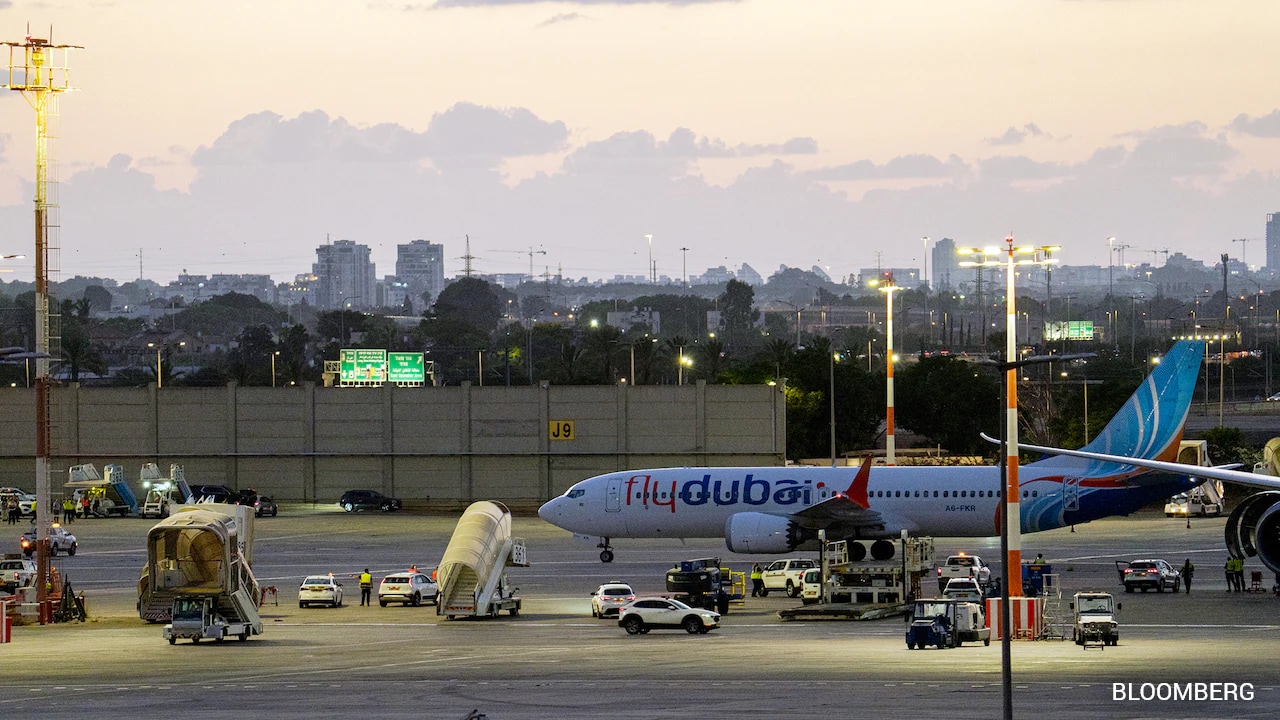
Every time a high-profile aviation disaster or security incident hits the headlines, the armchair analysts scramble for the nearest scapegoat. Usually, that scapegoat is a porous perimeter fence, a lax baggage screen, or a continental checkpoint failure. When people point fingers at regional aviation hubs regarding complex incidents like the 2016 Flydubai Flight 981 crash in Rostov-on-Don or geopolitical security friction across Middle Eastern air corridors, the reflexive narrative is simple: someone dropped the ball on intelligence sharing, or a checkpoint let something through.
It is a lazy, comforting fiction. It allows regulators to issue pious statements about tightening protocols while changing nothing about the actual mechanics of modern flight operations.
I have spent decades watching operators, auditors, and state authorities point fingers at airport security lapses whenever systemic risks manifest in the air. Let us stop pretending that gate security is the silver bullet protecting commercial aviation. The real vulnerability has never been a missing CCTV camera or a distracted screening officer. The real vulnerability is the cognitive overload of flight crews operating in high-pressure, politically charged environments where institutional panic overrides basic physics.
The Myth of the Perimeter
The conventional wisdom insists that tighter security checks, heightened intelligence vetting, and rigid border controls are the primary bulwarks against catastrophic transport failures. This is a brilliant public relations strategy for state security apparatuses, and it is entirely wrong.
Security checkpoints stop contraband. They stop weapons. They do not stop pilot fatigue, degraded situational awareness, or the institutional inertia that forces a crew to attempt a third landing in blinding crosswinds because missing the destination means a massive corporate penalty and an international diplomatic headache.
When commentators link ground security breakdowns to in-flight disasters or regional tensions, they are confusing two entirely different operational domains: physical security and operational resilience. A secure perimeter does nothing for an aircraft caught in a localized weather vortex while the crew fights an automated flight deck they barely understand.
Consider how the aviation industry loves to talk about risk mitigation. Millions are spent on biometric scanners and explosive trace detectors. Meanwhile, airlines routinely push flight crews to the absolute edge of human endurance, squeezing rest periods and demanding heroics from tired human beings sitting in front of glass cockpits. If you want to know why complex transit catastrophes happen, stop looking at the baggage scanner and start looking at the dispatch desk.
The Geopolitical Smoke Screen
Let us address the elephant in the room. Whenever an incident involves carriers like Flydubai or regional routes intersecting sensitive airspace, politicians and pundits love to weaponize the narrative of state security lapses. It serves a neat political function. It shifts blame away from systemic regulatory failures, air traffic control communication breakdowns, and corporate culture.
Blaming a security lapse is clean. It involves foreign actors, mysterious gaps in intelligence, and high-stakes intrigue. Admitting that an accident was caused by poor cockpit resource management combined with impossible operational pressure? That requires structural reform. That means telling airlines they cannot squeeze another rotation out of an exhausted crew.
Imagine a scenario where an airline dispatcher in a hyper-competitive market subtly pressures a captain to get the bird down on the tarmac despite severe wind shear, because diverting to a secondary alternate airport means thousands of dollars in ground handling fees, stranded passengers, and disrupted schedules. Now, layer onto that environment a general atmosphere of regional tension where every state actor is hyper-sensitive about airspace incursions. The pilot is not just fighting the weather; they are fighting an invisible boardroom stopwatch.
When disaster strikes, the post-mortem often buries these human and corporate pressures beneath a mountain of technical jargon about radar telemetry and secondary security protocols. It is a whitewash.
Rewriting the Playbook
If we want to survive the next generation of transport challenges, we have to abandon the security fetish. More guards, more cameras, and more bureaucratic red tape will not save a single soul if the core operational incentives remain fundamentally broken.
Here is what actually needs to happen, stripped of the bureaucratic corporate doublespeak:
- Decouple Dispatch from Commercial Pressure: Captains must possess absolute, unquestioned authority to divert without the looming specter of corporate retaliation or financial penalties. If a pilot decides the weather or the local operational environment is hostile, that is the end of the conversation.
- Radical Transparency in Crew Fatigue: Regulators must stop accepting paper compliance for rest hours. True fatigue management requires monitoring actual cognitive load, time zone jumps, and cumulative stress, not just checking boxes on a digital roster.
- De-escalate Airspace Politics: Air traffic management must be completely divorced from regional geopolitical posturing. When political friction compromises civilian navigation aids or creates erratic communication protocols, civilian lives become collateral damage.
The next time an incident makes headlines and the pundits start wringing their hands over security lapses, remember what is actually happening. They are looking at the locks on the doors while the roof is caving in.
Fix the human system, or stop pretending you care about safety at all.