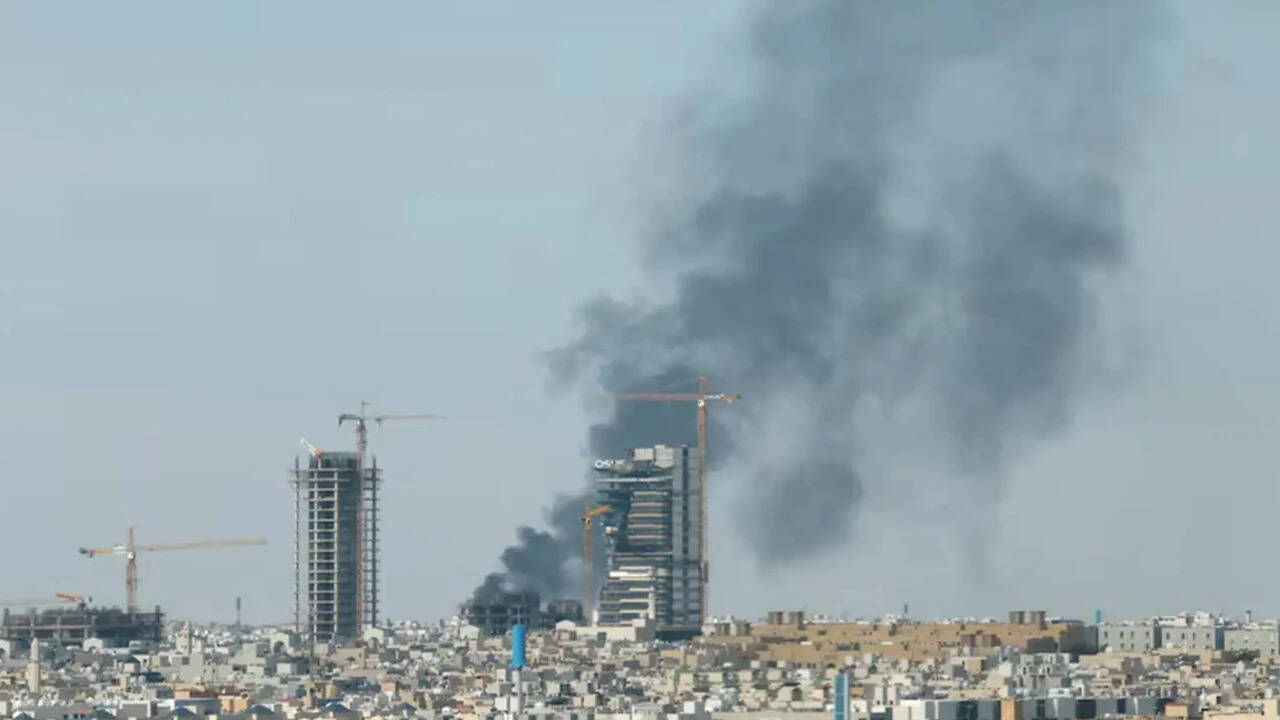
Every time a headline breaks about a power plant exploding in Ukraine minutes after a diplomatic talking point drops, the comment sections lose their minds. The knee-jerk narrative writes itself. Pundits scream about humiliation. Diplomats clutch their pearls. Pundits on cable news act as if high-stakes statecraft operates on the same logic as a broken automated teller machine where punching a button should yield an instant response.
Stop buying the outrage. For another view, check out: this related article.
The lazy consensus says that a political announcement is an operational ceasefire. It is not. Anyone who has spent five minutes looking at how modern military logistics, command chains, and autonomous targeting systems actually function knows that a microphone in Washington or a speech at a podium does not instantly freeze a ballistic missile mid-flight or halt a pre-programmed drone swarm drifting over the Donbas.
Let us dismantle the core misconception driving the mainstream media frenzy: the infantile belief that words spoken by a Western politician act as a remote-control power switch for a theater commander on the ground. Further insight regarding this has been provided by NBC News.
The Mechanics of Kinetic Inertia
Modern industrial warfare has a massive feedback loop delay. When a president or a candidate boasts about an imminent deal, the political clock moves at the speed of cable news. The military clock moves at the speed of telemetry, weather windows, fuel burn rates, and pre-delegated strike packages developed forty-eight hours prior.
Think of a strategic missile brigade as an ocean liner rather than a sports car. You do not yank the wheel and turn around because a press secretary held an impromptu briefing. Targeting data is vetted, encrypted, uploaded to guidance units, and handed off to launch crews long before speeches are transcribed.
When a thermal power station takes a direct hit right after a diplomatic claim, it looks like a deliberate middle finger to the peace process. Sometimes it is. But more often than not, it is simply the cold, unfeeling momentum of a kinetic machine executing orders issued before the ink on the press release was even dry. Conflating diplomatic rhetoric with immediate tactical compliance displays a staggering ignorance of how armies fight when survival is on the line.
The Strategic Utility of Darkness
Let us look past the theater and examine the actual objective. Why infrastructure? Why now?
The conventional wisdom claims these strikes are pure acts of spite, designed to humiliate foreign leaders who promised easy peace. That view assumes the aggressor operates on pure emotion. That is a dangerous delusion.
Power grids are not targeted to make people shiver in the dark for the sake of cruelty. They are targeted because electricity is the lifeblood of industrial repair, rail logistics, and command-and-control server farms. Every kilowatt diverted to a civilian apartment building is a kilowatt not driving a lathe turning a repair part for a disabled armored vehicle. Every substation flattened forces logistics chains to rely on diesel generators, which creates a massive, vulnerable supply trail of fuel trucks that can be tracked from the air.
Pretending these strikes are random outbursts ignores the clinical, terrifying logic of systemic degradation. The side taking the infrastructure apart is playing a game of attrition that looks decades old on the surface but relies on modern electronic intelligence and real-time satellite reconnaissance underneath.
If you want to stop the blackouts, whining about broken political promises on social media will not cut a single wire. You have to change the calculus of the battlefield. And that requires an honest assessment of military realities rather than comforting fairy tales about the power of persuasion.
The Dangerous Myth of the Paper Ceasefire
The media loves a morality play because it keeps ratings high and requires zero geopolitical literacy. But every time a commentator frames a strike as a personal insult to a politician's ego, they distract from the structural brutalism of the conflict.
A ceasefire that exists only in a speechwriters notes is worth less than the paper it is printed on. Real ceasefires are enforced by overlapping lines of steel, mutually assured destruction, and heavy enforcement mechanisms that make violation more expensive than compliance. Until those physical constraints exist on the ground, every boast about peace is just background noise to a missile crew adjusting their coordinates.
Stop treating geopolitics like reality television. The missiles do not care who is talking.
The next time a headline screams about humiliation after an explosion, ignore the pundits. Look at the grid. Look at the logistics. Look at the machinery of war grinding forward regardless of who is holding the microphone.
Because the moment you mistake political theater for operational reality, you have already lost the plot.