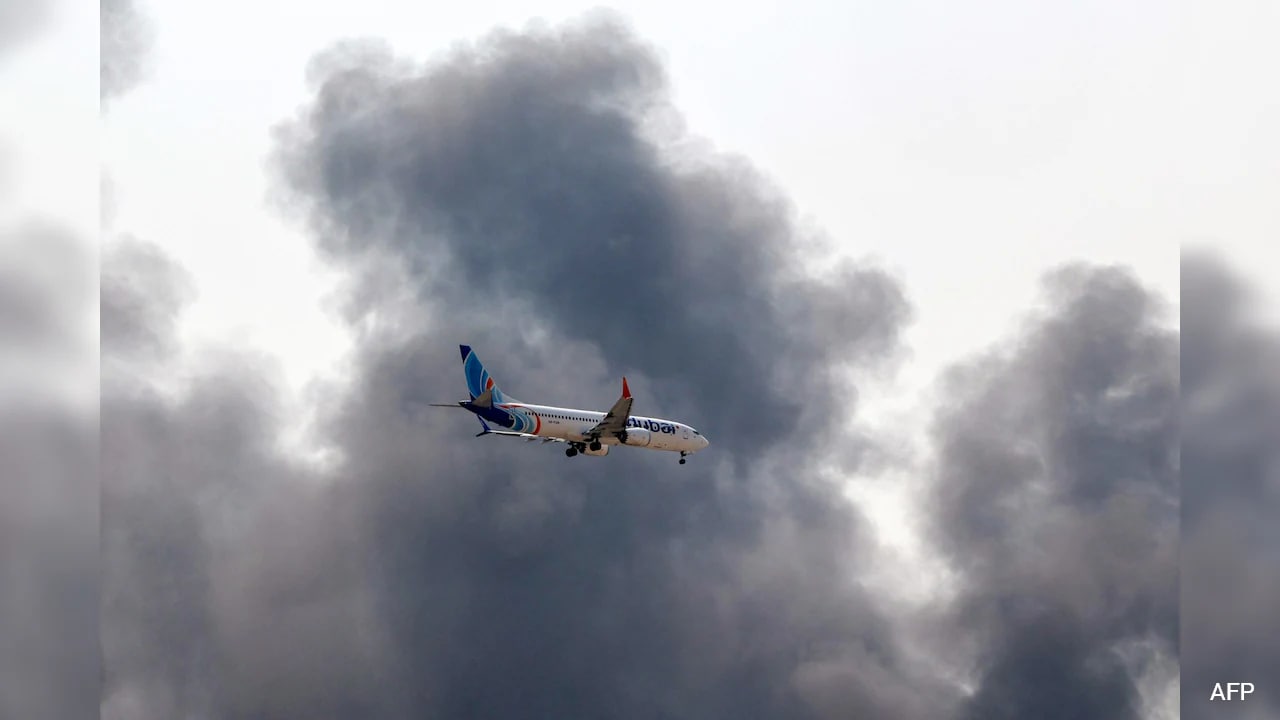
Screams. Blood. A sudden, gut-wrenching plunge of over 14,000 feet.
The headlines following the mid-air chaos aboard flydubai flight FZ1073 read like a cheap thriller. Mainstream media outlets rushed to publish the predictable eyewitness trauma porn, focusing on the gore, the panic, and the sheer terror of passengers staring down mortality at thirty thousand feet. Within hours, the lazy consensus took root across the global commentariat: commercial aviation is broken, cockpit doors are vulnerable, and we need another layer of TSA-style bureaucracy to save us from ourselves.
Stop right there.
The narrative that a locked door or a tightened background check would have prevented the cockpit brawl on that Dubai-to-Tel Aviv route is a comforting lie. It allows regulators to look like they are taking action while completely ignoring the structural rot eating away at modern flight decks. We are diagnosing a systemic psychological failure with a band-aid of metal detectors and panic buttons.
If you want to understand why a flight can spiral into a bloodbath because of a violent altercation between the people paid to fly it, you have to look past the sensationalized cabin videos and confront the grim reality of the modern flight deck.
The Myth Of The Invulnerable Flight Deck
Ever since the regulatory overhauls following historical aviation tragedies, the industry has operated under a singular, arrogant assumption: the primary threat to an aircraft comes from the outside.
We fortified cockpit doors with Kevlar and steel. We installed heavy-duty deadbolts, digital peepholes, and strict access protocols designed to keep rogue passengers away from the controls. Billions of dollars were pumped into perimeter defense. But we engineered a prison cell, not a workspace.
When a cockpit becomes an isolated, soundproofed box under immense operational pressure, it stops being a collaborative workspace and starts resembling a pressure cooker. Imagine a scenario where two human beings, exhausted by punishing shift rotations, compressed crew rest windows, and the relentless corporate squeeze of modern regional carriers, are locked together in a confined space for hours on end.
The danger isn't just a terrorist breaking through the door. The danger is already sitting in the left and right seats.
When the flydubai incident unfolded, exposing a violent struggle between the flight crew that sent the Boeing aircraft into a steep dive, the knee-jerk reaction from talking heads was to demand tighter psychological screenings. More forms. More cognitive tests. More corporate compliance theatre.
This is utter nonsense. You cannot screen away human degradation caused by systemic fatigue.
The Economics Of Exhaustion
I have spent years analyzing operational safety metrics across commercial fleets, and I can tell you flatly: the aviation industry treats pilot fatigue like a line-item inconvenience rather than a lethal hazard.
Airlines brag about safety records while simultaneously pushing crew utilization to the absolute legal limit. Reduced rest requirements, ultra-long-haul mental strain, and unpredictable scheduling leave flight crews operating on fumes. When cognitive bandwidth is whittled down to zero, minor interpersonal friction doesn't stay minor. It metastasizes.
The flydubai narrative focused heavily on the heroics of off-duty pilots who stepped up from the cabin to help stabilize the aircraft and pull off an emergency landing in Saudi Arabia. And they deserve that praise. But let us ask the question nobody wants to ask: how did the flight deck deteriorate to a point where passengers and off-duty personnel had to manage an active combat zone thirty thousand feet in the air?
Because the system relies entirely on the premise that pilots are infallible machines. When they crack under pressure, the whole house of cards collapses.
Why More Security Theater Makes Us Less Safe
The immediate policy response to this incident is predictable. We are already hearing rumblings about enhanced monitoring, internal cameras inside cockpits, and psychological tracking apps.
Every single one of these measures misses the mark.
Adding cameras to a cockpit does not relieve pilot stress; it intensifies it. It creates a culture of surveillance where captains and first officers are too paranoid about corporate oversight to communicate effectively. Micro-managing human beings who are trying to manage complex systems during an emergency is a recipe for disaster.
If airlines want to prevent a recurrence of the flydubai nightmare, they need to stop looking for technological gimmicks and start fixing the human ecosystem.
- Drastically shorten duty periods. Mental fatigue alters judgment long before it causes someone to nod off.
- De-escalate the corporate pressure cooker. Pilots are increasingly treated like bus drivers with wings, micromanaged by fuel-efficiency metrics and on-time performance bonuses that pit safety against economics.
- Open the communication channels. When cockpit crew members feel they cannot safely voice professional disagreements or mental strain without risking their careers, stress builds until it explodes.
The eyewitness accounts from flight FZ1073 are terrifying, but the real horror isn't the blood on the flight deck or the sudden drop in altitude. The real horror is that management types across the globe are looking at this incident and thinking about how to upgrade the lock on the door, rather than asking why the people inside it snapped.
Until the industry addresses the brutal psychological toll it inflicts on the flight deck, those screams in the cabin are just a preview of what is coming next. Stop treating symptoms. Fix the crew.