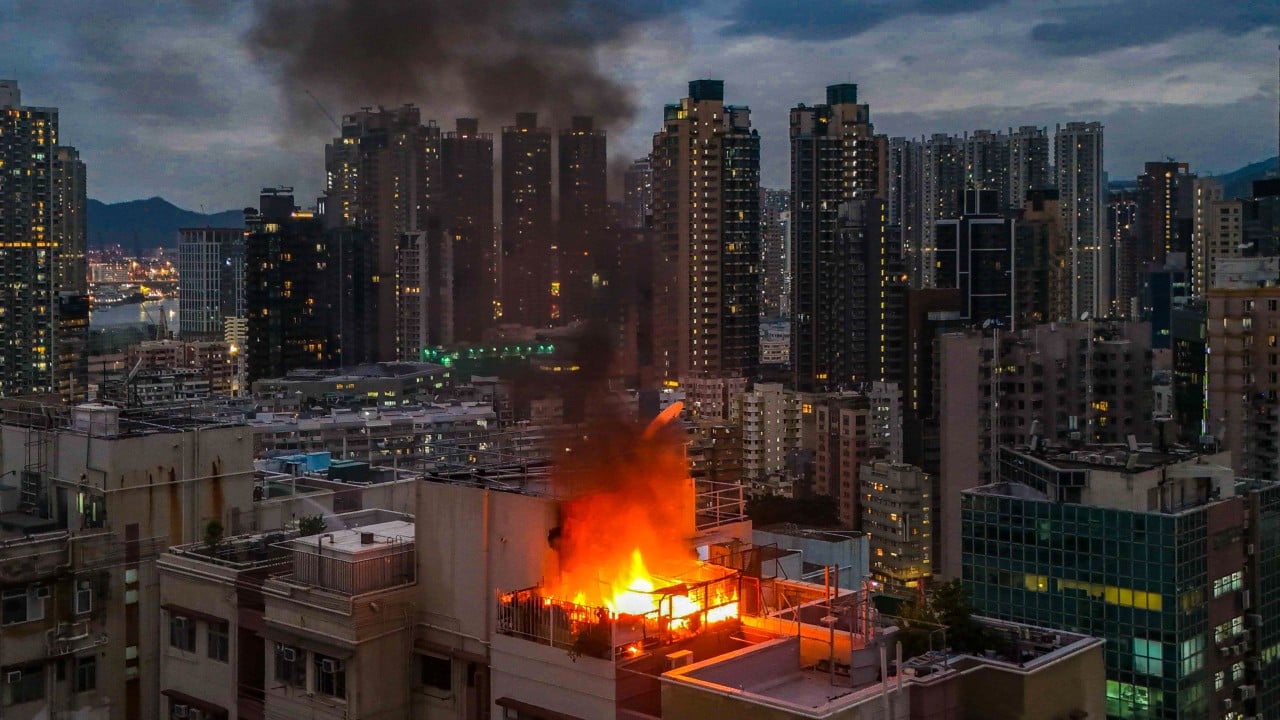
Every single time black smoke curls over Mong Kok, the lazy narrative rolls off the assembly line. Mainstream journalism rushes to pin the disaster on urban compression, aging architecture, and the vertical claustrophobia of the world's densest neighborhoods. Commentators shake their heads at bamboo scaffolding, subdivided flats, and old wiring, framing every rooftop blaze as an inevitable tax we pay for living stacked on top of one another.
It is a comfortable, lazy consensus. And it is entirely wrong.
High density does not cause fires. Bad maintenance culture, bureaucratic enforcement theater, and regulatory paralysis cause fires. When a residential rooftop in Mong Kok catches fire, the mainstream media treats it like an act of structural destiny, as if concrete and steel somehow conspired to ignite. They point to the sheer concentration of human lives and cry out for lower density, urban decentralization, or sweeping architectural overhauls that ignore economic reality.
I have spent decades watching developers, municipal inspectors, and safety consultants dance around the actual root causes of urban disasters. Let us strip away the sensationalism and look at the actual mechanics of why these incidents happen. Mong Kok is not dangerous because it is dense. It is vulnerable because property management enforcement is reactive, toothless, and chronically asleep at the wheel until a tragedy forces a camera crew onto the asphalt.
The Myth of the Structural Death Trap
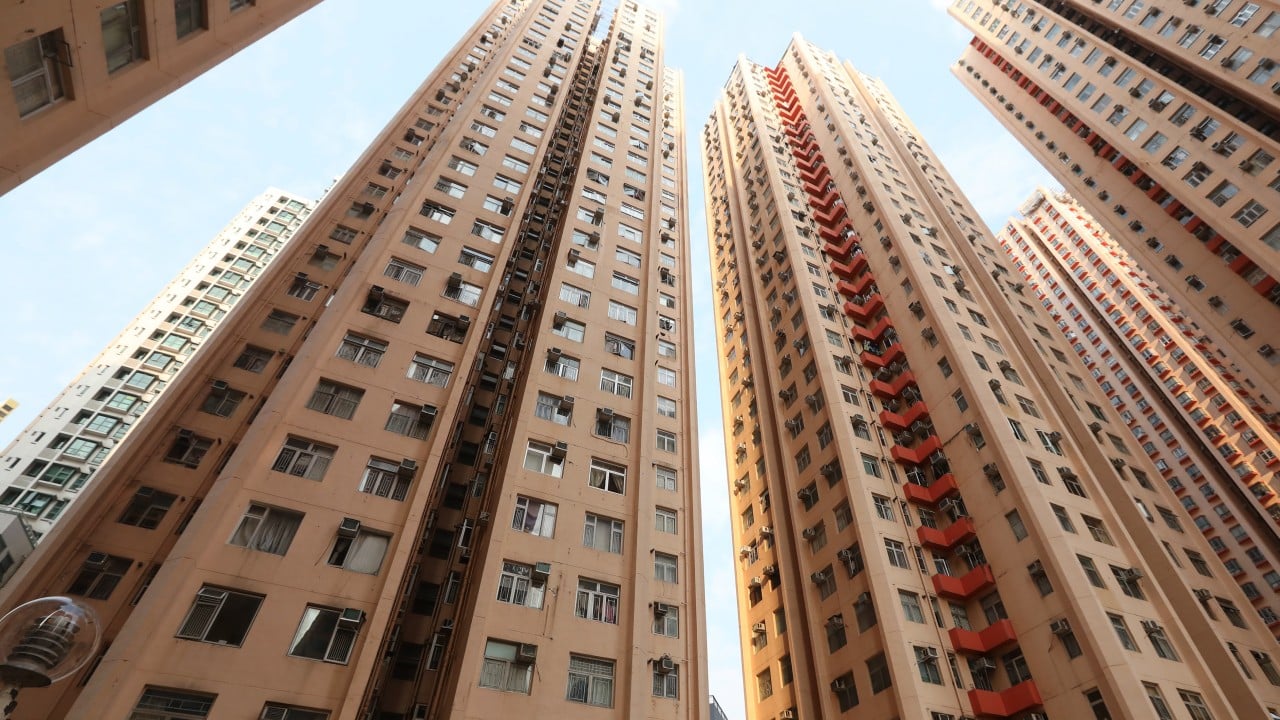
The standard panic piece always highlights the age of the buildings. Reporters love to throw around phrases like "decades-old tenement blocks" to evoke a sense of inevitable decay. But age is an excuse, not a mechanism. A fifty-year-old copper wire does not spontaneously combust because it feels nostalgic; it catches fire because it has been systematically overloaded, uninspected, and spliced by unlicensed handymen to service illegal rooftop structures that municipal inspectors pretended not to see for twenty years.
When you look at the physical evidence of these rooftop incidents, you rarely find a high-tech equipment failure. You find common domestic negligence compounded by systemic institutional looking-the-other-way. Rooftops in districts like Mong Kok are often treated as abandoned dead space or turned into unauthorized storage dumps and illegal dwellings. When flammable materials are stacked next to old air conditioning compressor units drawing erratic loads, you do not have an urban planning crisis. You have a basic safety oversight failure.
The lazy consensus wants you to believe that living in a vertical city is inherently hazardous. Statistical reality says otherwise. High-density urban environments actually correlate with superior emergency response times per capita, provided the access routes are not blocked by administrative red tape or illegal hoarding. The problem is not that there are too many people in Mong Kok. The problem is that nobody with a badge is checking the breakers until the smoke clears.
Dismantling the Bureaucratic Blind Eye
Why do illegal rooftop structures persist despite endless safety campaigns? Because the enforcement model is built on complaint-driven bureaucracy rather than proactive auditing. Inspectors wait for a tenant to file a grievance or a fire to break out before they climb the stairs. By then, the illegal partitioning, the blocked fire escapes, and the compromised electrical mains have been festering for years.
Imagine a scenario where every commercial and residential rooftop in high-density districts underwent unannounced quarterly thermal-imaging audits for electrical load anomalies. The fire department would catch overloaded circuits before insulation melted. Instead, the government relies on periodic safety awareness carnivals and pamphlets slipped under doors—a strategy that has precisely zero impact on a landlord squeezing twenty subdivided rental units onto a floor designed for four.
We also need to talk about the economic pressure cooker that drives these safety shortcuts. Property values and rental costs in urban centers are absurdly inflated. When every square foot costs a small fortune, landlords subdivide spaces into coffin homes and rooftop shacks, utilizing cheap, non-compliant materials just to stay solvent. When safety regulations ignore the economic reality of housing scarcity, those regulations become dead letters. People cut corners because the alternative is homelessness or bankruptcy. Until city planners understand that housing affordability and fire safety are two sides of the same coin, rooftop fires will remain a recurring feature of the urban landscape.
What People Get Wrong About Density and Safety
People often ask why densely populated Asian cities struggle with these specific fire hazards while other high-density global hubs manage to avoid them. The assumption is that Asian urban design is inherently flawed.
That premise is completely backwards. Cities like Tokyo achieve high density safely not by spreading out, but by enforcing strict, relentless accountability on property owners regarding maintenance logs. The difference between a safe high-density block and a hazardous one is not geography or architectural age; it is the presence of an uncompromising enforcement regime that treats a frayed wire as a public emergency before it arcs.
If you want to fix Mong Kok, stop whining about how close the buildings are to each other. Start fining property management companies into bankruptcy when their communal stairwells are blocked by storage boxes or when their main electrical panels look like a bowl of spaghetti wired by an amateur. Stop treating illegal rooftop expansions as a minor zoning infraction and start treating them as what they actually are: structural negligence waiting for a spark.
The next time a column of black smoke rises over the Kowloon peninsula, do not listen to the pundits mourning the density of the city. Look closer. You will find a neglected breaker box, an ignored warning, and a system that preferred to look away until the flames made it impossible to ignore.
Fix the enforcement. Fix the accountability. Leave the density alone.