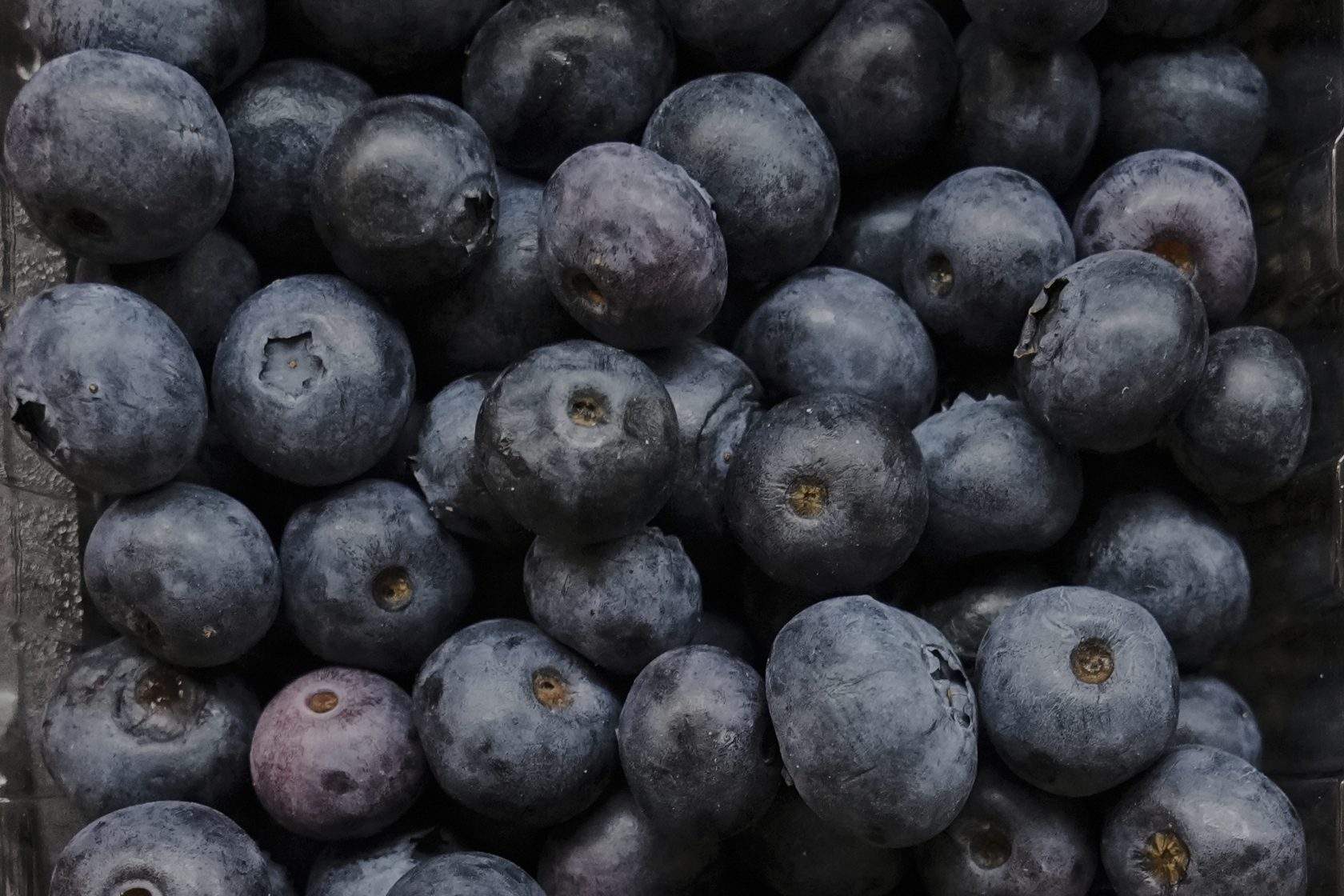
The grocery store aisle smells faintly of damp cardboard and chilled electricity. You reach for a clear clamshell of blueberries, the tiny globes dusted with a powdery silver bloom that promises summer even in the dead of winter. Your fingers graze the plastic. You drop them into the cart alongside milk and bread, moving on autopilot.
Trust is invisible.
We buy food under the quiet assumption of an invisible shield. We trust the grocery store clerk, the transport truck driver, the health inspector, the regulatory body three provinces away. We assume that every single link in a colossal, humming global food supply chain has held its tension.
Then a headline breaks.
A shadow falls across the produce section. Across the international boundary line, a sudden panic erupts over a death risk linked to tainted blueberries. The digital screens light up with urgent warnings. Families stare at their kitchen counters, holding half-eaten handfuls of fruit, wondering if that mild stomach ache yesterday was just bad coffee or something far more sinister.
Instantly, the phone buzzes in Ottawa.
The Canadian Food Inspection Agency swings into motion. Analysts pull up manifestos, shipping logs, customs declarations, and traceback numbers. They trace the arteries of commerce—the refrigerated semis idling at border crossings, the distribution hubs humming under fluorescent lights, the digital barcodes scanned at cash registers from British Columbia to Newfoundland.
For the worried shopper standing in Toronto or Vancouver, the immediate question hangs heavy in the air. Does this danger live in my refrigerator?
The official word comes down with bureaucratic precision. The CFIA states there is no indication that the U.S. blueberry recall impacting lives down south has crossed the national boundary. No Canadian distribution. No contaminated lots on local shelves.
Relief washes over you. You let out a breath you did not realize you were holding.
Yet, a strange unease lingers.
Because modern food logistics are a marvel of speed and an engine of anxiety. Consider how a simple berry gets from a sun-drenched field to your morning oatmeal. It is picked by hand, sorted by optical scanners, packed into plastic containers, loaded onto pallets, hauled onto diesel-choked highways, and cleared through customs checkpoints before the dew has even dried on the leaves. It is a miracle of logistics. It is also a fragile web.
When a recall happens in another country, the shockwaves ripple through our collective consciousness even if the physical product stays contained. We realize how thin the margin is between a safe breakfast and a public health crisis. We remember that borders, despite our maps and passport controls, are porous to commerce, bacteria, and fear.
Public health agencies live in the tension between caution and panic. To sound the alarm too loudly when a threat is isolated to another jurisdiction is to cry wolf, eroding the public trust required during a genuine emergency. To remain too quiet is to invite disaster. It is a delicate, high-stakes tightrope walk performed daily by inspectors who review thousands of import documents while the rest of us sleep.
When the CFIA looks at a recall, they are not just looking at numbers on a manifest. They are looking at the invisible architecture of safety. They trace the lot numbers, verify the farm origins, and cross-reference border entries. When they declare that Canada remains untouched by a specific U.S. recall, that declaration is built on a mountain of data, phone calls, and laboratory verifications executed in the dead of night.
Picture a customs inspector at the Ambassador Bridge at three in the morning. Coffee is cooling in a stained paper cup. The beam of a flashlight cuts through the freezing mist of a loading dock, illuminating towering stacks of produce boxes. The paperwork matches the digital registry. The seals are intact. The chain of custody is unbroken.
That is where the safety of a nation actually lives. Not in abstract policy documents, but in the vigilance of people checking boxes in the dark so that tomorrow morning, a parent can pour blueberries over cereal without a second thought.
The digital alerts fade. The news cycle shifts to the next crisis, the next election, the next weather warning. The clamshell of blueberries remains on the kitchen table, half-empty, glistening under the kitchen light.
You pick one up. You look closely at its dusty blue skin, turning it slowly between your thumb and forefinger. The invisible machinery of the world has held together for another day. You pop the berry into your mouth, and life goes on.