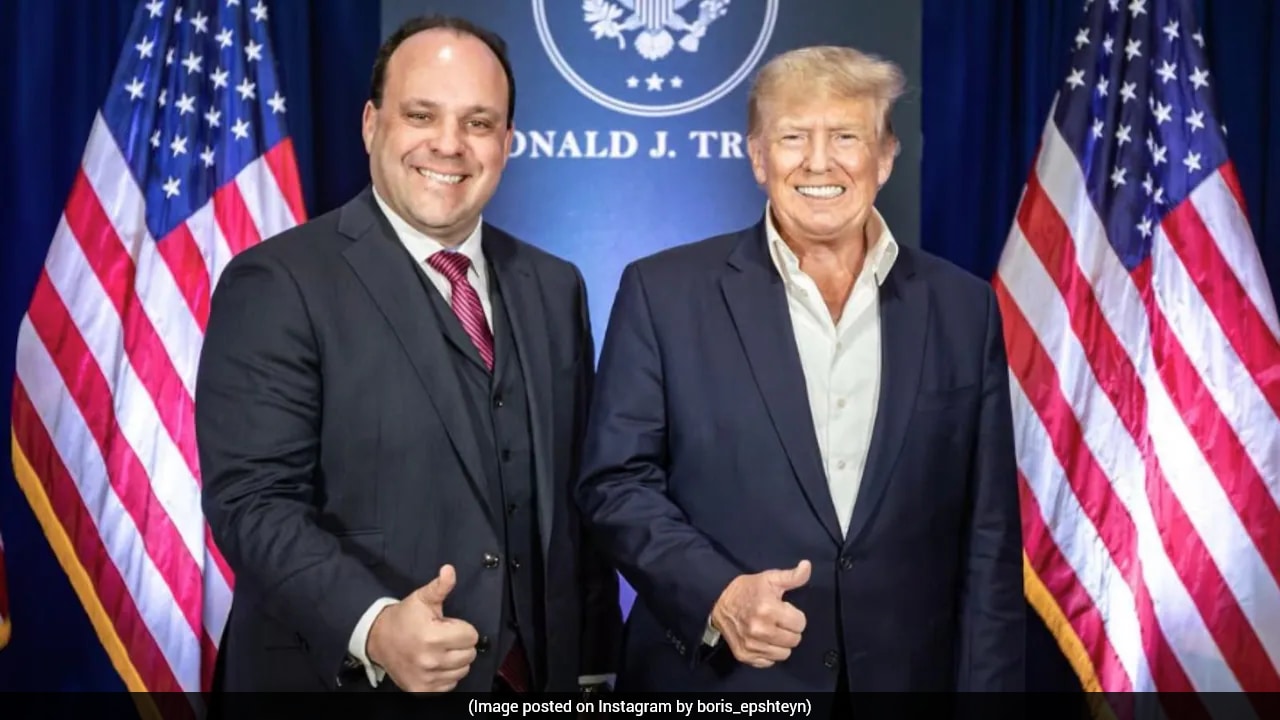
Donald Trump doesn't trust many people, but he trusts Boris Epshteyn.
If you look closely at the television footage of Trump arriving at his numerous court dates, entering campaign rallies, or sitting in VIP sports suites, you'll almost always catch a glimpse of a stocky, sharp-dressed man with a intense gaze lurking just a few feet behind him. That's Epshteyn. He isn't a household name like Rudy Giuliani or Steve Bannon, but his influence over the current administration is arguably greater than both combined. Trump has jokingly referred to him as his "psychiatrist." Others in Washington call him the ultimate "fixer."
To understand the mechanics of the modern MAGA movement, you have to understand how this low-profile attorney built an impenetrable wall of access around the president. He isn't just an adviser. He is the gatekeeper who manages the legal defenses, steers judicial appointments, and survives internal knives that would have sliced any other staffer to pieces.
From Moscow to the Inner Circle
Epshteyn's story doesn't follow the typical path of a Washington operative. Born in Moscow in 1982, he came to the United States as a 11-year-old Russian-Jewish refugee under the Lautenberg Amendment. His family settled in New Jersey, and he eventually wound up at Georgetown University.
That's where the trajectory of his life changed forever. While studying at Georgetown, Epshteyn became close friends with Eric Trump.
When the elder Trump launched his long-shot presidential bid in 2016, Epshteyn hopped on board early as a communications strategist. He was aggressive, combative on cable news, and completely unapologetic. He even hosted "Trump Tower Live," the campaign's self-produced Facebook broadcast. While traditional political professionals cringed at his brassy style, Trump loved it.
He briefly took a job in the White House communications shop in 2017 but left abruptly under mysterious circumstances after just a couple of months. For most political staffers, a sudden exit so early in an administration signals the end of their career. For Epshteyn, it was merely a pivot point. He moved to the Sinclair Broadcast Group as a chief political commentator, amplifying pro-Trump talking points across local television stations nationwide, keeping his loyalty visible to the one person who mattered.
The Strategy Behind the Legal Shield
Epshteyn's real rise to ultimate insider status happened after Trump left office in 2021. As the former president faced a mountain of civil and criminal investigations—ranging from the New York hush money case to federal indictments regarding classified documents—the legal strategy grew chaotic. Multiple high-priced defense lawyers were pulling Trump in entirely different directions.
Epshteyn stepped into the void as an "in-house counsel" and coordinator. He basically acted as a general contractor for Trump’s legal battles, hiring lawyers, firing ones who weren't aggressive enough, and synthesizing complex defenses into digestible soundbites that matched Trump's political narrative.
Political analysts from outlets like The New York Times and CNN noted that Epshteyn’s strategy wasn't just about winning in a courtroom; it was about delaying trials and turning the legal system into a campaign tool. The strategy worked remarkably well. Most of the major federal cases stalled before reaching trial.
His tactics came with massive personal legal risk. In April 2024, Arizona prosecutors indicted Epshteyn alongside several others for his alleged role in the 2020 "fake elector" scheme. He pleaded not guilty to nine felony charges, defending his actions as standard legal advocacy.
Surviving the Transition Knife Fight
By the time Trump won reelection, Epshteyn's clout was unmatched. He was appointed as personal senior counsel to the president, but his true power lay in his control over personnel. During the transition period, he wielded massive sway over who got face time with Trump and who got nominated for top administration posts, particularly within the Department of Justice.
This absolute gatekeeping triggered a vicious internal backlash. Rumors and accusations began flying through the transition team. Former Missouri Governor Eric Greitens even submitted a sworn declaration alleging that Epshteyn implied a need for financial or business consulting agreements before he would advocate for political appointments.
The transition team had to launch an internal review of consulting agreements, a move confirmed by spokesman Steven Cheung. Any other staffer caught in the middle of a pay-to-play ethics firestorm would have been pushed out immediately.
Epshteyn didn't blink. He called the allegations false and defamatory, and Trump kept him right by his side. By the launch of the administration, Epshteyn was spotted sitting with Trump at major events, including high-profile basketball games at Madison Square Garden alongside Cabinet secretaries.
How to Track His Ongoing Influence
Epshteyn’s footprint is visible across the current political landscape if you know what to look for. To gauge how much influence he still holds over policy and personnel, keep tabs on these three specific areas:
- Judicial and DOJ Appointments: Watch the backgrounds of incoming federal judges, U.S. Attorneys, and senior Justice Department officials. Figures aligned with the aggressive, combative legal philosophy Epshteyn champions indicate his hand is still on the steering wheel.
- Congressional Scrutiny: House and Senate committees frequently look into the administration's outside legal arrangements, such as the ongoing scrutiny by House Democrats into major law firms providing pro bono services to presidential initiatives. Watch for Epshteyn's name in these committee letters and document requests.
- The Status of State-Level Cases: While Trump issued sweeping pardons to numerous allies involved in the 2020 election disputes, state-level cases like the one in Arizona remain a key point of tension. Track how Epshteyn’s personal legal battles wrap up to see if it impacts his official Washington duties.