Diplomacy is often just a game of high-stakes theater, but the recent standoff between London and Jerusalem broke the traditional script. When Israel ordered the closure of the British consulate in East Jerusalem, it wasn't just a routine bureaucratic spat. It signaled a deep fracture over sovereignty, settlements, and the rapidly shrinking viability of a two-state solution.
If you've been following UK-Israel relations, you know things have deteriorated rapidly over the past three years. But this move over the historic Sheikh Jarrah facility takes the diplomatic chill to an entirely new level.
The Anatomy of a Diplomatic Clash
The crisis didn't happen in a vacuum. It was triggered directly by Britain's decision to implement strict trade sanctions targeting illegal Israeli settlements in the occupied West Bank. In response, Israeli Foreign Minister Gideon Sa'ar gave London a strict thirty-day ultimatum to shutter its consulate general.
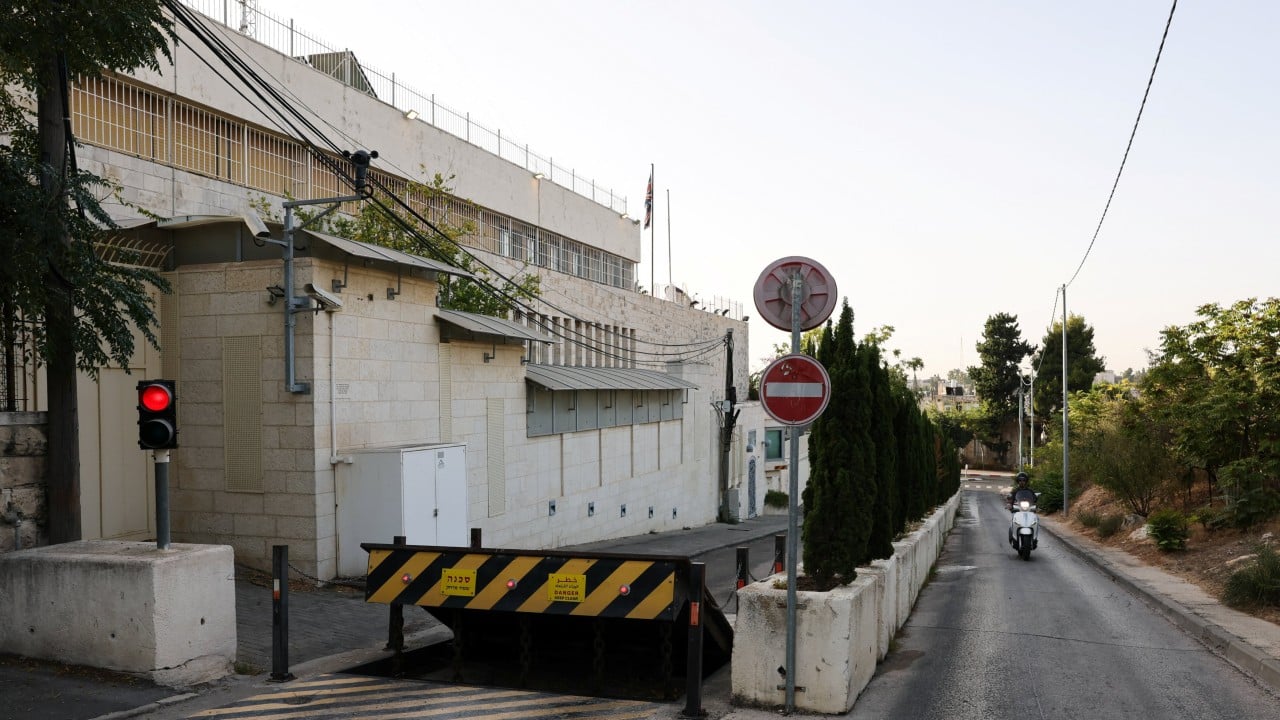
For Jerusalem, the facility has always been a thorn in its side. Unlike standard consulates that answer to an embassy in the host country's capital, the British consulate in East Jerusalem has operated with an independent team reporting directly back to London. It handles relations exclusively with Palestinians, acting as a direct diplomatic conduit that has existed since Ottoman times in 1839.
To Israeli authorities pushing for full annexation of the city, that independent status is an ongoing challenge to their sovereignty. Closing it looked like an easy political win.
The Last-Minute Compromise That Saved Face
A full diplomatic rupture was barely avoided. Reports surfaced that London was prepared to retaliate by expelling nearly thirty Israeli diplomats if the consulate doors were permanently locked. Rather than letting things spiral into a total embassy shutdown, both sides settled on a compromise.
The physical building in East Jerusalem didn't close its doors for good, but it underwent a significant downgrade. Dropping the historic "consulate" title, it was rebranded as the UK Mission, Jerusalem.
Critics argue this face-saving rebrand lets Jerusalem claim a symbolic victory while allowing Britain to maintain its physical footprint. Yet, the underlying tension remains completely unresolved. The UK government insists its core mission of delivering vital services and maintaining ties with Palestinians will continue unabated, but the downgrade highlights how fragile foreign presences are in contested territories.
What This Means Moving Forward
This standoff sets a dangerous precedent for other European nations maintaining similar diplomatic setups in East Jerusalem, including France, Spain, and Italy. If Israel successfully forces a downgrade on Britain, others could face similar ultimatums.
Sanctions on settlement builders and trade restrictions are ramping up pressure from Western capitals. At the same time, domestic political pressures inside Israel mean the current government is unlikely to back down on its territorial claims.
The compromise over the Jerusalem mission bought some temporary breathing room, but the core conflict over land, sovereignty, and international law is only intensifying. Diplomacy hasn't failed yet, but the margin for error is gone.
Why the UK Jerusalem consulate dispute matters
This video report provides a concise overview of why Israel ordered the closure of the British consulate and how the UK responded to the diplomatic crisis.