British researchers are preparing to launch human clinical trials for a new Ebola vaccine designed to combat multiple strains of the deadly virus. Developed in the UK, this next-generation vaccine aims to provide broader, longer-lasting protection than existing shots. Regulatory approvals are moving forward to initiate phase one trials immediately, marking a critical shift in how global health agencies prepare for the next major health crisis. While current vaccines target specific strains, this new candidate addresses the critical vulnerability of mutation, offering a potential shield against a wider array of filoviruses.
The announcement comes at a time when global health security feels fragile. For decades, the international response to Ebola outbreaks followed a predictable, reactive pattern. A cluster of cases would emerge in a remote village, international aid would scramble to deploy, and by the time interventions arrived, the virus had already taken its toll. The development of the Ervebo vaccine changed that dynamic significantly, offering a highly effective tool against the Zaire strain of the virus.
However, relying on a single weapon against a mutating virus is a dangerous strategy. The Zaire strain is not the only threat. The 2022 outbreak in Uganda involved the Sudan strain, for which Ervebo offers no protection. That gap in global defenses is precisely what this new British vaccine intends to fill.
The Technological Leap Beyond First-Generation Vaccines
To understand why this new trial matters, one must look at the underlying mechanics of viral delivery systems. First-generation Ebola vaccines rely heavily on viral vectors, often using a weakened vesicular stomatitis virus or an adenovirus to carry the Ebola glycoprotein into human cells. This triggers the immune system to produce antibodies.
It works, but it has distinct limitations. The manufacturing process for these viral-vector vaccines is notoriously complex and difficult to scale rapidly during an active emergency. Furthermore, if a patient has prior immunity to the vector virus itself, the vaccine's efficacy can drop sharply.
The new UK-developed candidate utilizes a modified platform designed to stabilize the antigen, allowing the body to recognize multiple surface proteins shared across different Ebola strains. This is not just a tweak to an old formula. By targeting conserved regions of the virus—parts that do not change even when the virus mutates—the vaccine attempts to create a universal frontline defense.
The Logistic Reality of Cold Chains and Compliance
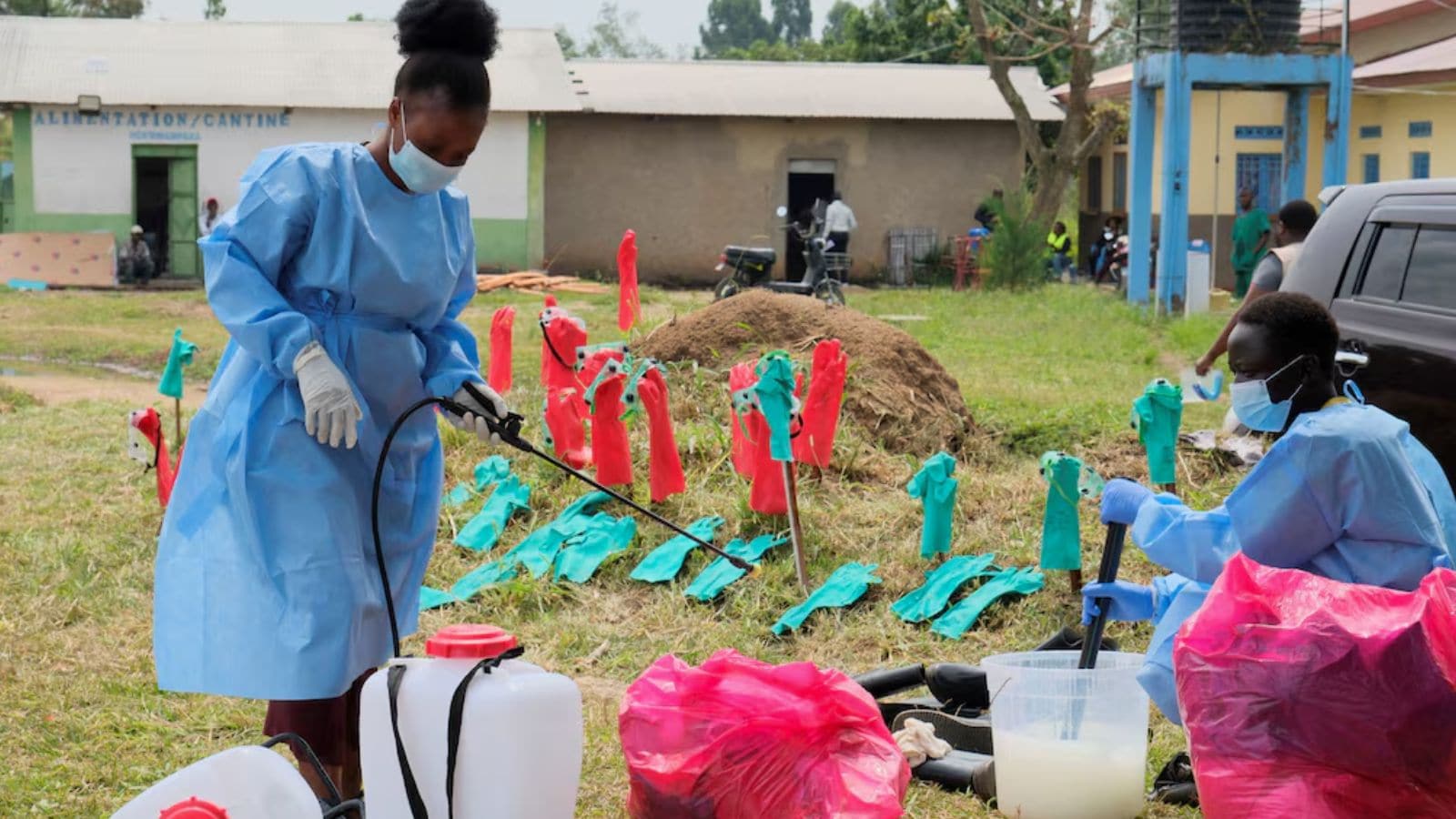
A vaccine is only as good as its distribution network. The current market-leading vaccines require ultra-cold storage, sometimes as low as minus eighty degrees Celsius. Maintaining this cold chain in rural, infrastructure-deprived regions of sub-Saharan Africa remains an operational nightmare.
[Manufacturer] ──> [Ultra-Cold Storage] ──> [Air Transport] ──> [Regional Hub] ──> [Deep Field Deployment]
                                                                                      │
                                                                           (Risk of Cold Chain Break)
If the temperature fluctuates for even a few hours, entire batches become useless. This logistical bottleneck means that even when doses are available, they frequently fail to reach the people living at the true epicenter of an outbreak.
UK researchers claim their new formulation improves thermal stability. If the data from upcoming trials confirms that this vaccine can survive at standard refrigeration temperatures, or even room temperature for limited periods, the entire strategy of outbreak containment changes. Health workers could stockpile doses locally, cutting response times from weeks to hours.
Regulatory Speed Versus Medical Safety
Moving a vaccine from the lab bench to human trials involves navigating a minefield of ethical and regulatory hurdles. The speed of development often invites skepticism. Public health officials must strike a delicate balance between rushing a life-saving tool to the field and ensuring it does not cause unintended harm.
Phase one trials will focus almost exclusively on safety and dosage. A small group of healthy volunteers in the UK will receive the shot to monitor for adverse reactions and to see if it stimulates the expected immune response.
History shows that rushing trials without rigorous oversight can damage public trust permanently. In previous outbreaks, conspiracy theories and deep-seated mistrust of Western medical intervention occasionally turned communities against healthcare workers. Ensuring absolute transparency during these early UK trials is essential if the vaccine is ever to be accepted by the populations that need it most.
The Funding Dilemma Behind Neglected Tropical Diseases
Developing vaccines for diseases like Ebola is rarely a profitable venture for major pharmaceutical corporations. Outbreaks are sporadic, and the primary victims are usually impoverished rural populations. Without government subsidies and international philanthropy, these projects stall in the early stages of research.
This new UK initiative relies heavily on public funding and academic partnerships. While this isolates the project from market pressures temporarily, it raises questions about long-term production capability.
If the trials succeed, a commercial entity must still step in to manufacture the vaccine at scale. Past transitions from academic success to industrial production have often foundered in the gap between public good and private profit.
Evaluating the Risks of Broad-Spectrum Design
While a multi-strain vaccine sounds ideal on paper, it introduces new immunological challenges. Sometimes, attempting to protect against everything results in a weaker overall immune response to the most lethal specific strains.
Immunologists refer to this as original antigenic sin, a phenomenon where the body relies on its first immunological memory rather than adapting to new variations. The phase one trial will need to demonstrate that the multi-strain design actually creates broad neutralization, rather than just a diluted response that fails to stop a high-viral-load infection.
The next few months of trial data will determine whether this UK research represents a genuine shift in biodefense strategy or simply another experimental candidate that works in mice but fails in humans. The world is watching, because the next outbreak is not a matter of if, but when. Stockpiles must be ready before the fever starts.