The traditional handshake between Washington and London has been replaced by a white-knuckled grip. In February 2026, the fragile stability of the "Special Relationship" hit a new low after California Governor Gavin Newsom touched down in London to sign a high-stakes clean energy pact with British Energy Secretary Ed Miliband. This wasn't a standard trade meeting. It was a calculated act of diplomatic defiance that has sent Donald Trump into a tailspin of "fury," as he described the engagement as "inappropriate" and a direct affront to federal authority.
The fallout is not just about wind turbines or carbon credits. It represents a fundamental shift in how global powers are hedging their bets against a volatile White House. By engaging directly with the leader of the world’s fourth-largest economy—California—the UK is effectively building a "shadow" foreign policy, one that bypasses the Oval Office entirely.
The London Handshake That Broke the Status Quo
When Newsom and Miliband sat down to finalize a memorandum of understanding (MoU) focused on offshore wind and green technology, they weren't just discussing megawatts. They were signaling to the world that the Trump administration’s "Liberation Day" energy policies—which favor a return to heavy coal and oil extraction—are being bypassed by the fifth and sixth largest economies on the planet.
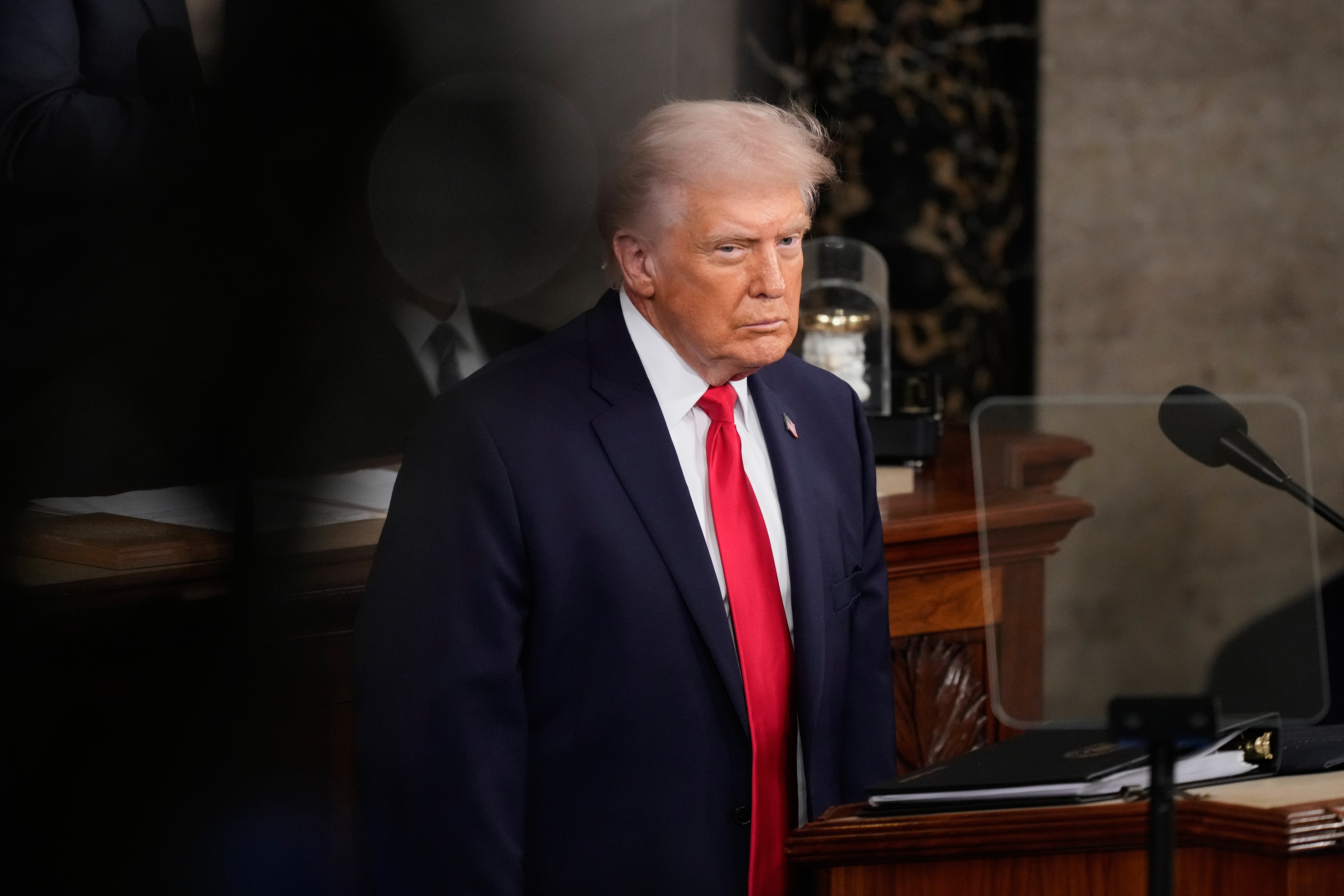
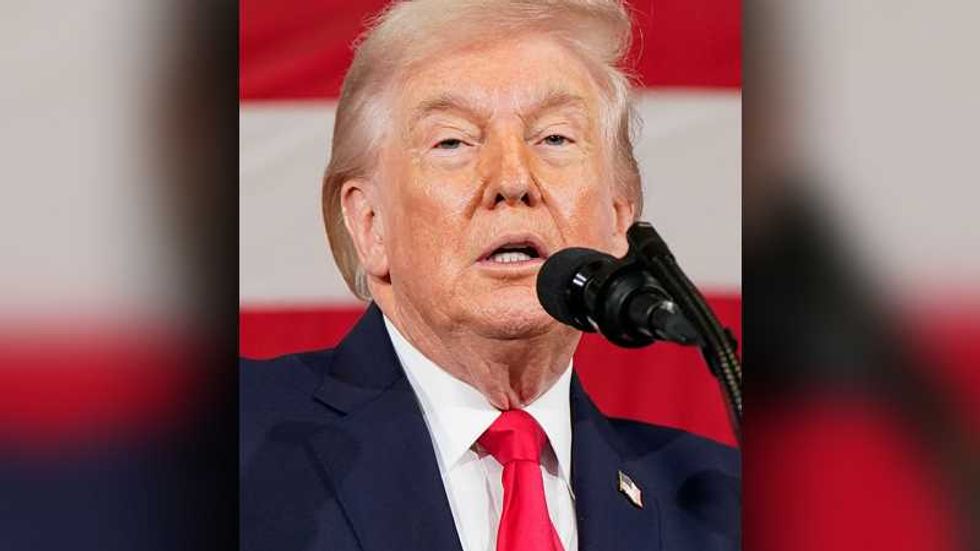
Trump’s response was swift and characteristically blunt. Speaking to reporters shortly after the deal was publicized, he branded Newsom a "loser" and "Newscum," claiming that "everything he touches turns to garbage." But the real sting wasn't the name-calling. It was Trump’s warning to the British government that it was "inappropriate" to deal with a state governor on matters he believes should be reserved for the federal government.
For the UK, the risk is massive. Prime Minister Keir Starmer is already walking a tightrope, trying to balance a desperate need for a US trade deal with a domestic mandate to hit net-zero targets. By allowing Miliband to embrace Newsom, the UK has essentially told Trump that they do not trust his long-term environmental or economic stability.
Why the UK is Courting a Governor Over a President
The "why" behind this diplomatic gamble is rooted in cold, hard numbers. California’s GDP is larger than that of most sovereign nations, including the UK itself. For British firms like Octopus Energy, California isn't just a state; it’s the primary gateway to the American market.
- Market Scale: California's commitment to renewable energy provides a guaranteed 20-year roadmap that the federal government currently lacks.
- Technological Synergy: The UK leads in offshore wind; California has the coastline and the capital to scale it.
- Political Insurance: With the 2026 midterms looming and Trump facing Supreme Court setbacks on his tariff powers, the UK is looking for partners who won't change their mind based on a Truth Social post.
British officials are playing a sophisticated game of "Double Track" diplomacy. On one hand, they publicly court Trump to avoid the "obnoxious" 15% tariffs he recently threatened. On the other, they are embedding themselves with the Democratic resistance, led by Newsom, to ensure that if the Trump era ends in 2028, the UK isn't left standing in the cold.
The Constitutional Gray Zone
Trump’s anger isn't entirely theatrical. There is a legitimate, burgeoning crisis over the Logan Act and the Commerce Clause of the US Constitution. Historically, individual states have been barred from conducting their own foreign policy. While an MoU isn't a formal treaty, the line is blurring.
By signing deals with the UK, Newsom is acting like a head of state. He is currently on a "diplomatic tour" that included stops at the Munich Security Conference, where he told European leaders that "the Trump administration is temporary, but California’s commitment is not." This is a direct challenge to the "One President at a Time" rule that has governed American diplomacy for centuries.
The White House sees this as a subversion of federal power. If every state begins negotiating its own trade and environmental standards with foreign powers, the federal government’s leverage in trade wars disappears. Trump knows that if the UK can get what it needs from California, his threats of "obnoxious" tariffs lose their teeth.
The Economic Consequences of a Scorned White House
The immediate danger for the UK is economic retaliation. Trump has already shown he is willing to use tariffs as a blunt force instrument. Following the Supreme Court’s recent ruling that limited his "National Emergency" tariff powers, he has become even more unpredictable, pivoting to Section 122 of the Trade Act to impose 10% global levies.
If the UK continues to "play games," as Trump puts it, those tariffs could be targeted. The British Chambers of Commerce has already warned that even a 5% increase in duties could cost UK exporters upwards of £3 billion.
| Sector | Potential Impact of Trump Retaliation |
|---|---|
| Automotive | High - UK car parts are a primary target for reciprocal tariffs. |
| Agriculture | Extreme - Trump is already demanding lower standards for US meat imports. |
| Technology | Moderate - California partnerships may offset federal restrictions. |
The Starmer government is betting that the economic gains from the California green energy deal will outweigh the temporary pain of Trump's Twitter-driven trade policy. It is a high-stakes play that assumes Trump is a "lame duck" on the international stage, despite his hold on the domestic GOP.
Newsom’s 2028 Ambitions and the British Stage
Gavin Newsom isn't doing this out of the goodness of his heart. Every handshake in London and every speech in Munich is a campaign ad for 2028. He is positioning himself as the "President of the Resistance," the only man with the "kneepads" (a frequent insult he hurls at Trump-aligned politicians) to stand up to the White House.
By hosting Newsom, the UK has effectively given him a platform to audition for the world stage. They have provided him with the "commander-in-chief" optics he needs to clear the Democratic field. This hasn't escaped Trump’s notice. He sees the UK government not just as a trading partner, but as a campaign donor providing "in-kind" contributions to his most dangerous rival.
The UK’s Department for Energy Security and Net Zero tried to downplay the meeting, calling it "just one in a series" of state-level agreements, citing similar deals with Florida and Texas. But those deals were about logistics and trade; the Newsom deal is about ideology. It is a direct endorsement of a future that Donald Trump is actively trying to dismantle.
The Death of the Special Relationship?
The "Special Relationship" has survived world wars, the Cold War, and Brexit. But it may not survive the era of "Transactional Diplomacy." Trump doesn't value historical sentiment; he values loyalty and "the deal." By dealing with Newsom, the UK has proven it is no longer loyal to the sitting President’s vision.
This isn't a misunderstanding. It is a divorce. The UK is moving toward a more autonomous European-style foreign policy, one that prioritizes the "Rules-Based Order" over the "Deal-Based Order" of the current White House.
As Newsom heads back to Sacramento and Trump prepares his next round of tariff "investigations," the bridge between London and D.C. looks thinner than ever. The UK chose the world’s fourth-largest economy over its most powerful ally. Now, they have to hope that California’s wind and sun can protect them from the storm brewing in the West Wing.
Would you like me to analyze the specific sectors of the UK economy most vulnerable to the 15% "obnoxious" tariffs Trump has threatened in the wake of this meeting?