The marble floors of the presidential office in Seoul do not echo the way people think they do. In television dramas, power sounds like sharp heels clicking against stone, crisp commands, and the decisive rustle of heavy paper contracts. In reality, power inside the South Korean administration sounds like a long silence. It is the sound of a phone that rings three times and goes dead before anyone picks up. It is the hurried whisper of an aide sliding a resignation letter across a mahogany desk, hoping the ink has dried enough not to smudge.
Consider what happens when a political machinery built for relentless momentum suddenly hits a structural fault line. The public watches the nightly news scroll of headlines reporting cabinet reshuffles, approvals, and sudden withdrawals, treating them like routine administrative updates. But behind every official bulletin lies a human story of shattered expectations, political miscalculation, and the crushing weight of public scrutiny. Building on this theme, you can also read: The Small Hands On The Glass And The Weight Of A Ton Of Steel.
When the latest cabinet reshuffle began, the administration wanted stability. Instead, it ran straight into a wall.
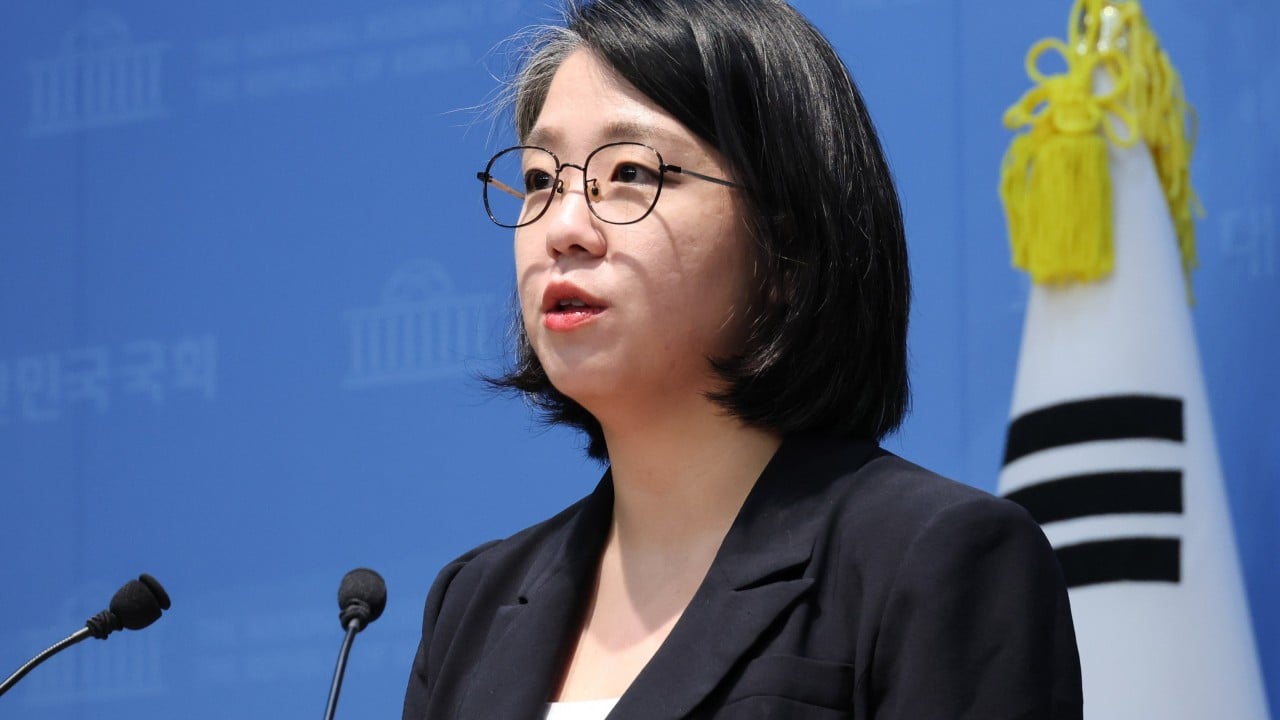
The resignation of the gender minister nominee was not merely a bureaucratic hiccup. It was a symptom of a deeper, more chronic exhaustion within the nation's political vetting process. Imagine sitting in a brightly lit hearing room, every word you have written, every tax record you have filed, and every offhand remark you made a decade ago dragged into the harsh glare of cameras. For the nominee, the breaking point arrived quietly. There was no dramatic floor fight, no tearful television confession. Just a terse statement released late in the evening, stepping aside to avoid becoming a permanent distraction to an already beleaguered administration. Analysts at NPR have also weighed in on this trend.
The political cost of such withdrawals is rarely measured in numbers alone. It is measured in trust.
To understand why these confirmation hurdles trip up even the most seasoned public servants, look at how modern governance operates under a microscope. South Korea's political landscape is fiercely polarized. Every appointment is scrutinized not just for competence, but as a referendum on the administration's broader moral compass. When a nominee stumbles over past controversies—whether related to real estate investments, academic integrity, or past public statements—the opposition pounces not to debate policy, but to draw blood.
The strategy is simple and brutal. Make the appointment process so punishing that qualified individuals simply stop answering the phone when the presidential office calls.
Why does this matter to the ordinary citizen riding the subway in Gangnam or working late in a Busan shipping yard? Because governance requires hands. A cabinet missing key leadership positions is an engine missing cylinders. When ministries lack confirmed heads, long-term policy initiatives stall. Budgets sit in limbo. Reforms in gender equality, labor rights, and social welfare drift without a captain. The political friction at the top translates directly into stagnation on the ground.
History offers a stern warning here. Administrations that stumble repeatedly in their early appointments often find themselves trapped in a defensive crouch for the remainder of their terms. Every subsequent nomination becomes high-stakes poker. If the president wins, the administration regains a fraction of its momentum. If the president loses, the narrative hardens around a single inescapable conclusion: incompetence at the helm.
The friction is not accidental. It is the friction of a democracy maturing through trial and error, sometimes painfully so. The public no longer accepts the old ways where political appointments were rubber-stamped behind closed doors. Every citizen is now an armchair investigator, demanding absolute transparency, ethical purity, and immediate accountability. This is a healthy evolution for a democratic society, but it creates a brutal operating environment for those chosen to lead.
The human element gets lost in the statistics of approval ratings and media polls. Behind the title of nominee is a person whose professional reputation, family life, and psychological well-being are thrown into a blender of public opinion. When the pressure becomes too great and they step down, they leave behind a vacuum that is harder to fill the second time around.
The presidential office now faces a stark choice. Double down on partisan loyalty or reach across the aisle for consensus candidates who can survive the gauntlet of modern confirmation hearings. Neither path is easy. Both demand a humility that is rare in high-stakes politics.
As the sun sets over the Han River, casting long shadows across the concrete expanse of Seoul, the lights in the government complex remain on. Staffers are already combing through new dossiers, looking for flaws before the media finds them. The names change. The dossiers thicken. And the silent machinery of state keeps turning, waiting for the next person brave enough—or foolish enough—to step into the light.