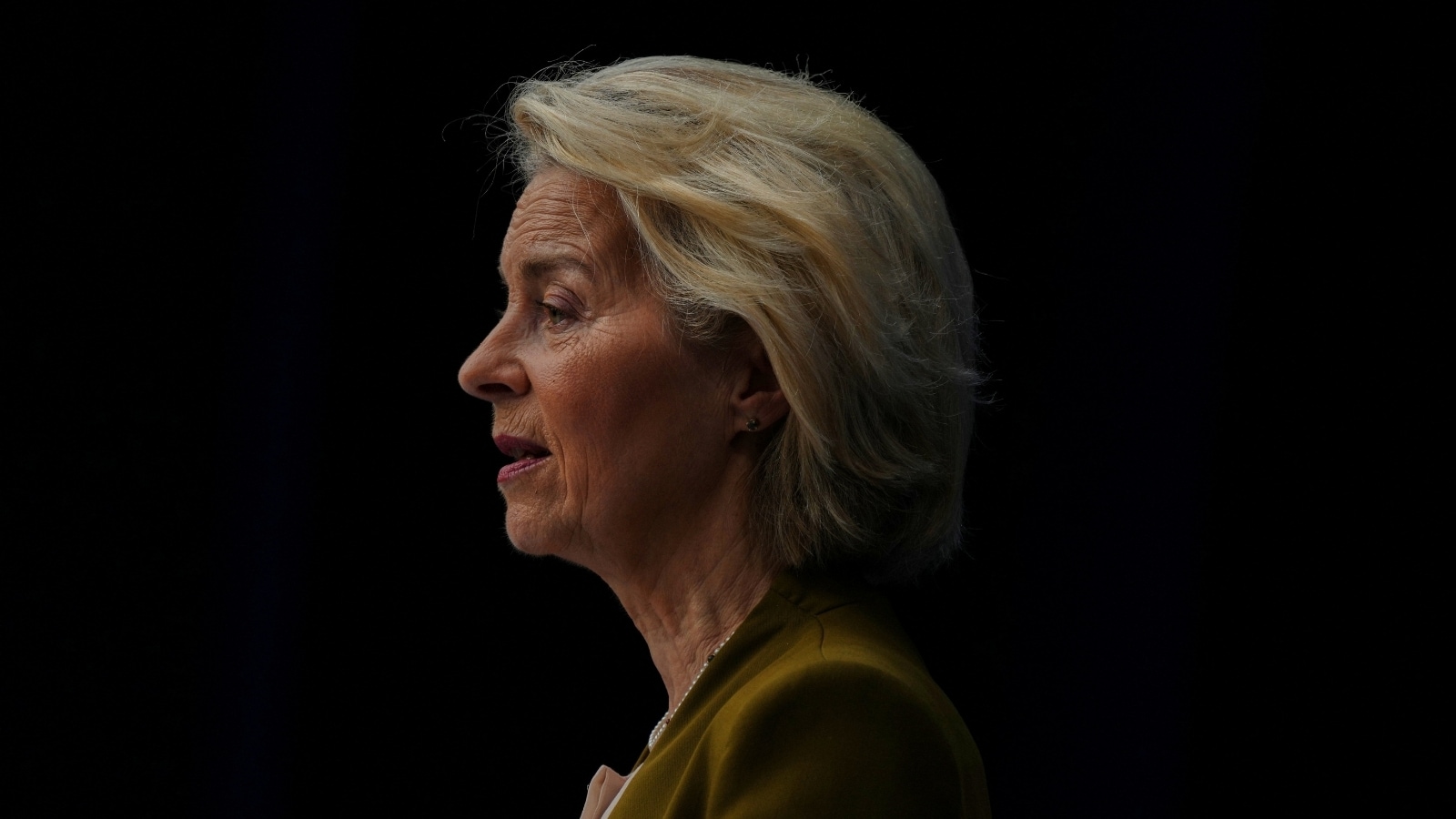
Ursula von der Leyen stepped to the podium in Ottawa with a message that transcended standard diplomatic pleasantries. The European Union and Canada are locking arms in an increasingly fractured global order, driven by a shared anxiety over supply chain weaponization and economic coercion. This partnership is not born out of mutual affection. It is a calculated, cold-eyed survival strategy designed to insulate two major trading blocs from the volatility radiating out of Washington and Beijing.
When the European Commission president speaks of an openly hostile world, she is not diagnosing a temporary diplomatic frost. She is describing a permanent structural shift. The rules-based international trade architecture is fraying. Tariff barriers, export controls on critical minerals, and industrial subsidies have transformed international commerce into a theater of economic warfare. For Brussels and Ottawa, standing alone is no longer an option.
The Mineral Baseline
At the core of this renewed alignment lies a raw reality. Neither Europe nor North America possesses the domestic processing capacity required to feed their high-technology and green-transition manufacturing sectors. Beijing dominates the refining pipelines for rare earth elements, lithium, cobalt, and graphite.
For years, Western capitals treated this vulnerability as an acceptable cost of global efficiency. Cheap imports trumped domestic resilience. That calculus shattered the moment supply lines began snapping under geopolitical pressure.
Canada occupies a unique position in this scramble. The country holds massive deposits of the exact geological inputs that European industrial powerhouses need to manufacture electric vehicles, aerospace components, and defense electronics. Yet, raw extraction is only half the battle. European capital and technological know-how are flowing toward Canadian soil to build actual processing facilities.
This is not a traditional foreign aid package or a standard trade agreement. It is an industrial joint venture. European automakers and battery manufacturers are securing long-term offtake agreements before the ink on the contracts is even dry. They are paying a premium for security, abandoning the just-in-time logistics model that left them dangerously exposed during recent global shocks.
The Transatlantic Security Cushion
Geopolitics and commerce cannot be separated. The North American and European defense industrial bases are facing simultaneous pressures to rearm, modernize, and secure their borders.
Canada sits in a delicate position regarding its defense spending commitments to NATO, frequently facing pressure from allies to meet the two percent GDP threshold. Meanwhile, European nations are scrambling to reconstitute stockpiles depleted by years of neglect and subsequent donations to eastern defense efforts.
By tying Canadian resource extraction to European manufacturing, both sides are creating a mutual deterrent against external economic coercion. If a third party attempts to restrict market access or embargo vital components, the integrated supply chain absorbs the shock collectively rather than buckling individually.
Yet, skepticism remains warranted. Bureaucratic inertia on both sides of the Atlantic threatens to choke these ambitious blueprints. Environmental assessment processes in Canada are notoriously rigorous, often taking a decade to move a mine from discovery to production. European regulatory compliance, led by stringent carbon border adjustment mechanisms and environmental due diligence laws, creates labyrinthine hurdles for foreign partners.
If Ottawa and Brussels cannot streamline their regulatory pipelines, these grand pronouncements will remain little more than rhetoric while competitors seize the initiative.
Shifting Regulatory Weights
The economic strategy extends beyond physical commodities into the digital and financial spheres. Both jurisdictions face the persistent pull of American tech dominance and Chinese market manipulation.
Europe has established itself as the world's primary regulatory super-state, using its massive consumer market to dictate terms to global technology firms. Canada often finds itself caught in the gravitational pull of its southern neighbor, balancing integration with the United States while attempting to preserve its own industrial sovereignty.
Aligning regulatory frameworks between the European Union and Canada creates a third pole of influence. When Brussels and Ottawa harmonize standards for artificial intelligence governance, data privacy, and green taxonomy, they establish a baseline that multinational corporations ignore at their peril.
This alignment acts as a defensive moat. It prevents predatory foreign actors from playing one jurisdiction off against another in a race to the bottom on labor standards and environmental safeguards.
The Cost of Realism
Adopting an posture of strategic autonomy carries genuine costs. Prioritizing security over efficiency means consumer goods will inevitably become more expensive. Redundant supply chains require capital investment that could otherwise be deployed elsewhere. Protectionist undertones, disguised as resilience initiatives, threaten to fragment global trade even further.
Von der Leyen's acknowledgment of hostility is an admission that the post-Cold War consensus is dead. The assumption that economic interdependence would automatically generate political harmony has been thoroughly discredited. In its place, governments are retreating to trusted alliances, ring-fencing critical industries, and preparing for a protracted period of fragmentation.
Canada and Europe are betting that shared values and complementary economies can provide enough shelter to weather the storm. Whether their administrative apparatuses can move fast enough to match the speed of global disruption remains the defining question of this partnership. The geopolitical clock is ticking, and the margin for error has shrunk to zero