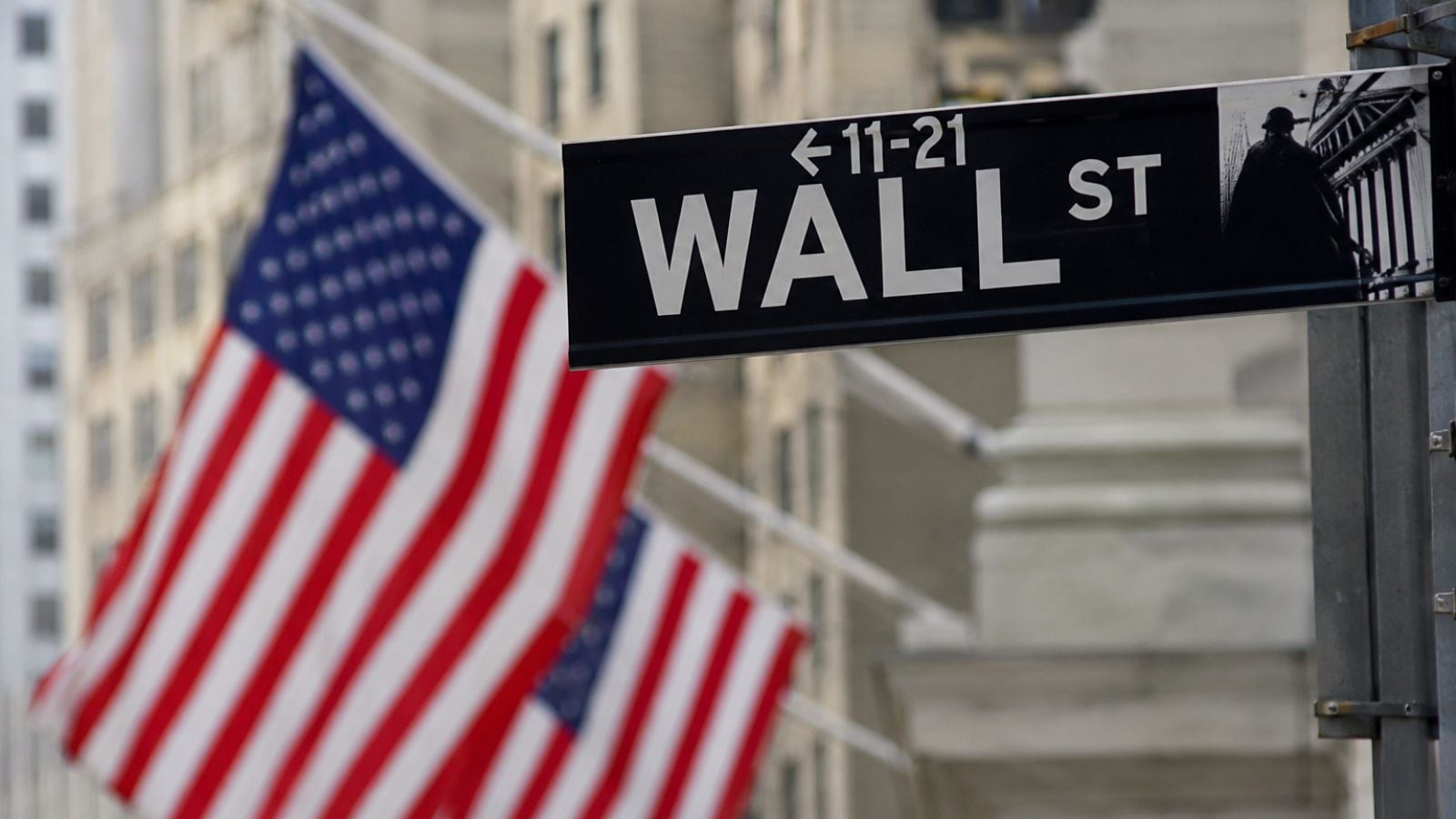
The United States stock market is closed on Monday, September 7, 2026, in observance of Labor Day. Both the New York Stock Exchange and the Nasdaq have suspended regular cash-equity and options trading for the federal holiday, alongside a recommended full close across U.S. dollar-denominated fixed-income markets by the Securities Industry and Financial Markets Association. Trading desks are dark, and electronic order books are quiet. Yet beneath this forced holiday calm, institutional traders and macroeconomic analysts are tracking a severe buildup of market pressure.
A quiet Monday offers deceptive serenity. When trading resumes on Tuesday, September 8, Wall Street will slam directly into an unforgiving slate of economic data and escalating fiscal anxieties. The pause is not merely a seasonal marker ending summer. It is an arbitrary boundary separating a fragile late-summer market correction from a high-stakes autumn trading environment.
The Labor Market Shock
The immediate catalyst driving anxiety before this holiday closure was not the calendar. It was the scorching August employment report.
The U.S. economy added 162,000 jobs in August, blowing past consensus economist estimates that had hovered near 56,000. In any normal historical context, robust job creation would trigger widespread celebration. In the distorted reality of modern monetary policy, strong labor data translates directly into a threat. Wall Street immediately priced in the mounting probability that the Federal Reserve will maintain tighter monetary policy for longer, refusing to rush into aggressive interest rate cuts.
Equities reeled in response to the employment print on Friday. The Dow Jones Industrial Average dropped 0.51 percent, the S&P 500 slid 0.38 percent, and the Nasdaq Composite lost 0.29 percent. Bond yields climbed as fixed-income investors recalculated terminal interest rates.
When markets open after the long weekend, portfolios will face immediate repricing. Asset managers who spent the weekend reviewing risk models know that a resilient labor market gives Federal Reserve Chair Jerome Powell ample cover to keep borrowing costs elevated. The narrative of an imminent, painless pivot to monetary easing has fractured.
Energy Pressures and Global Fractures
Domestic employment data represents only one half of the danger equation. Energy markets are flashing warning signs that threaten to reignite stubborn consumer inflation.
Crude oil prices have drifted upward against a backdrop of persistent geopolitical conflict. Disruptions affecting maritime shipping through critical supply channels, including the Strait of Hormuz, have constrained global petroleum distribution. Historically, approximately twenty percent of the world's daily petroleum supply navigated that narrow corridor. Any sustained bottleneck translates instantly to wholesale energy inflation, driving up fuel costs for logistics networks, airlines, and manufacturers.
This energy friction collides directly with corporate profit margins. For the past four quarters, large-cap companies managed to defend earnings by passing rising expenses onto consumers. That pricing power is showing structural fatigue. If input costs spike due to fuel premiums while consumer spending cools under the weight of higher borrowing costs, corporate earnings estimates for the third and fourth quarters face downward revisions.
Navigating the Post-Holiday Volatility
The upcoming trading sessions will test institutional liquidity. Long holiday weekends historically amplify opening volatility. Accumulated global news from Europe and Asia, combined with over-the-counter futures movements during the closure, will flood the opening auction on Tuesday morning.
Investors waiting for clarity will receive little comfort from the immediate calendar. The U.S. Producer Price Index report scheduled for later in the week will lay bare wholesale inflationary pressures before they reach retail shelves. Coupled with upcoming consumer price metrics, these disclosures will dictate whether bond vigilantes push Treasury yields higher.
Liquidity providers and market makers are already adjusting risk parameters. Trading desks are bracing for sharp, automated swings as algorithmic models digest multi-day headline accumulation. The holiday pause provides a brief illusion of stability, but the underlying machinery of Wall Street is wound tight, waiting for the opening bell to test whether the market can absorb the true cost of persistent economic resilience.